Welcome to Mondince Bike - A well-known factory specialized in produce carbon bike frame and other parts since 2007.


Top Affordable Carbon Road Bikes for 2023
You’ve seen them glide by—sleek, silent road bikes that look like they weigh less than a gallon of milk. That's the magic of carbon fiber, the stuff of Tour de France dreams and multi-thousand-dollar price tags. For most people, the incredible performance and smooth ride of carbon have always felt just out of reach, separated by a barrier made of dollar signs.
But what if that barrier just crumbled? A new wave of affordable road bikes has arrived, promising that same full carbon experience for a fraction of the cost. This immediately raises the big question: is a full carbon road bike worth it when it’s "cheap"? It's a confusing situation where a dream upgrade could either be a brilliant bargain or a costly mistake dressed in a fancy material.
This guide breaks down what you actually get with a cheap carbon road bike, how companies are hitting these low prices, and how to spot genuine value. We’ll give you the clear framework you need to decide if one of these bikes is the smart upgrade you've been waiting for.
The $2,000 Question: What Makes a Carbon Bike "Affordable"?
So, what does “affordable” actually mean when we’re talking about carbon? While Tour de France machines can easily soar past the $10,000 mark, the sweet spot for an entry-level carbon bike typically lands between $1,200 and $2,500. Finding the best carbon road bike under $2,000 is a realistic goal, and it gets you a genuine taste of high-performance material without the shocking price tag.
To hit that price, manufacturers make a series of “smart compromises.” Think of it like buying a laptop. You can get a model with a brilliant 4K screen (the carbon frame) but a slightly slower processor and less storage (the other parts) to keep it within budget. The goal is to deliver the core benefit—a lightweight, smooth-riding frame—while being strategic about where to save money.
These savings almost always come from three key areas, creating a recipe for a value-for-money road bicycle:
-
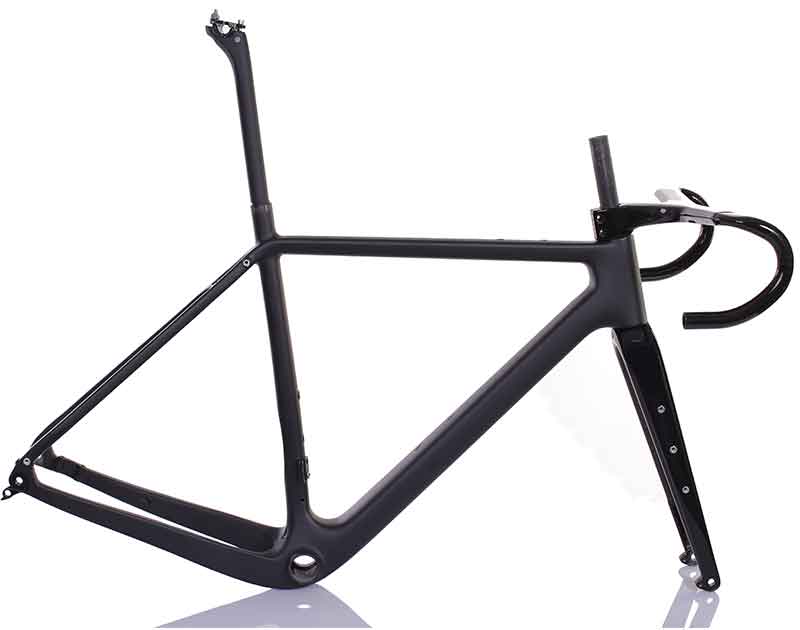
The Carbon Frame Itself: It’s still carbon fiber, but often a heavier, less-advanced blend of materials. It delivers the signature smooth ride but won't be as feather-light or ultra-stiff as its premium cousins.
-
The Components (Gears & Brakes): The parts that make you go and stop will be reliable but basic. They function perfectly for everyday riding but are heavier and less crisp than pricier options.
-
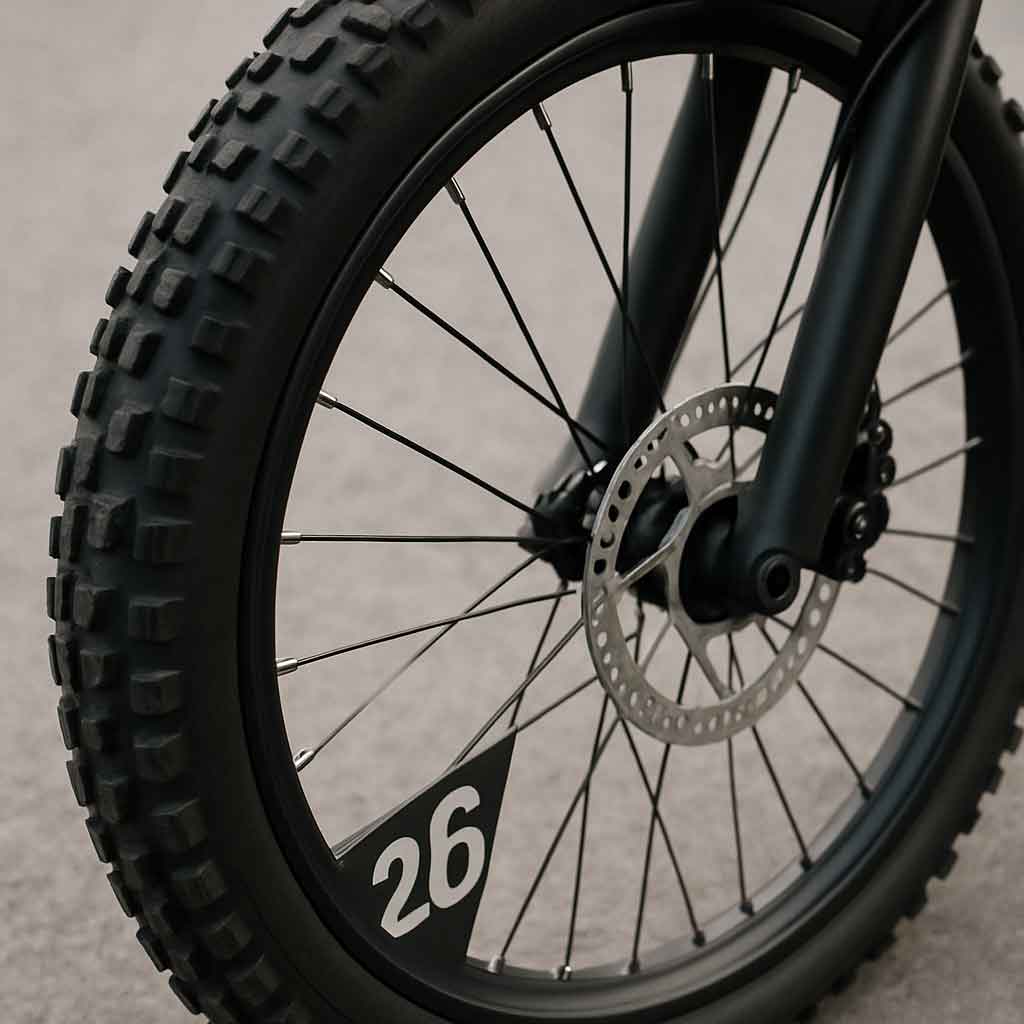
The Wheels: Wheels have a huge impact on a bike’s feel and price. Budget carbon bikes almost always come with heavy, durable, but unexciting aluminum wheels.
Ultimately, an affordable carbon bike is a package where the frame gets top billing, supported by a cast of functional, budget-friendly parts. This makes the quality of the frame itself the most important part of the equation.
The Frame Game: Are Budget Carbon Frames Actually Good?
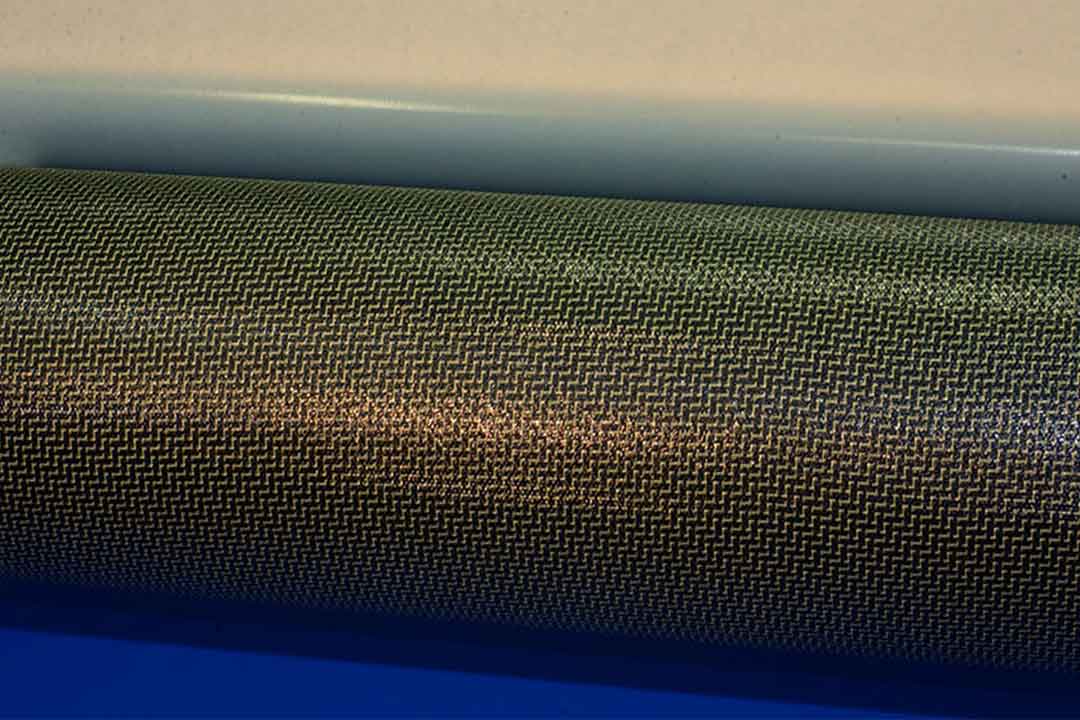
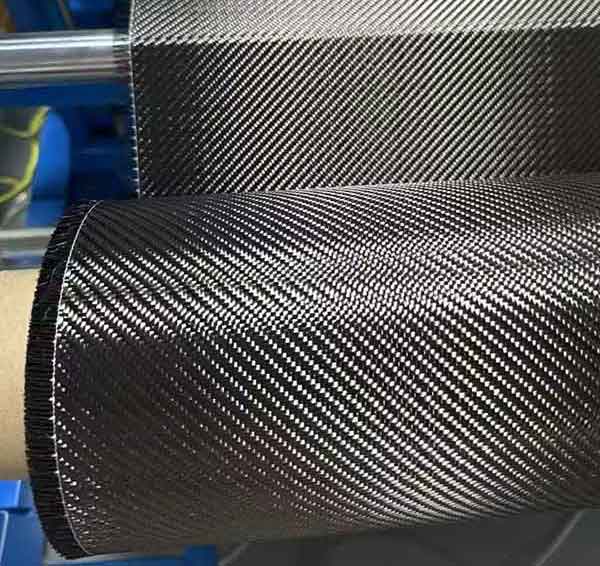
The frame is where the magic of carbon fiber really happens, but it’s also where the biggest compromises are made. It helps to think of carbon fiber like fabric—it’s not one single material, but a category with different grades. A high-end, $8,000 bike uses the equivalent of a lightweight, ultra-strong performance textile, while an affordable carbon frame uses a heavier, more basic weave. It's still a step up in technology, just a different grade.
To make these frames more affordable, manufacturers use a different carbon layup, which is just the specific recipe for how the sheets of carbon are layered. Budget frames often use fewer, thicker, and heavier sheets. This means the frame won’t be as feather-light as the pros use. However, it absolutely retains carbon’s most celebrated feature: comfort. The material naturally soaks up road buzz and small bumps, a quality known as vibration damping. For anyone planning long rides, this smooth feeling is a huge benefit that even the best budget carbon fork or frame provides.
But how can you tell a well-made budget frame from a risky one? Since you can’t see the carbon layup, your best indicator is the manufacturer’s confidence in their own product. Look for brands that offer a solid frame warranty—five years or, even better, a lifetime guarantee. A company willing to stand behind its frame for years is a strong sign that it's been built to last, not just to hit a low price point.
Ultimately, a good budget carbon frame gives you the best of both worlds: you get the signature smooth ride and modern look of carbon without the intimidating price tag. It's the perfect foundation for an endurance bike designed for comfort over sheer speed.
Demystifying "Groupsets": Why Your Bike's Gears and Brakes Matter
If the frame is the bike’s skeleton, the parts that make it move and stop are its engine and transmission. In the cycling world, this collection of shifters, gears, and brakes is called the groupset. It’s arguably the most important factor in how a bike feels to ride. Just as a car's engine determines its smoothness and acceleration, the groupset dictates how crisply your bike shifts gears and how confidently it stops. A great groupset can make a good bike feel fantastic, while a clunky one can hold back even the most advanced frame.
On most affordable carbon bikes, you'll find groupsets made by a company called Shimano. Their entry-level road option, Tiagra, is the dependable workhorse of the industry. It’s known for being tough, reliable, and perfectly capable for weekend rides and daily commuting. While it's slightly heavier and offers 10 gears on the rear wheel, it provides consistent performance that won't let you down. It gets the job done, and does it well, without the premium price tag.
The next step up, Shimano 105, is often considered the gold standard for enthusiast cyclists. Finding affordable road bikes with Shimano 105 is like discovering a hidden gem. The upgrade gives you an 11th gear, but the real-world benefit is much more noticeable: shifting is significantly lighter, faster, and smoother. Those smaller jumps between gears make it easier to find the perfect pedaling rhythm, especially on hills. For many riders, 105 hits the sweet spot of high performance and attainable cost.
While other brands like SRAM offer similar quality tiers (like their popular SRAM Apex groupset), Shimano is most common in this price range. A groupset is a massive clue about a bike's overall value, which brings up the ultimate question for any budget-conscious rider: are you better off with a carbon frame and a basic groupset, or a top-tier aluminum frame with a fantastic one?
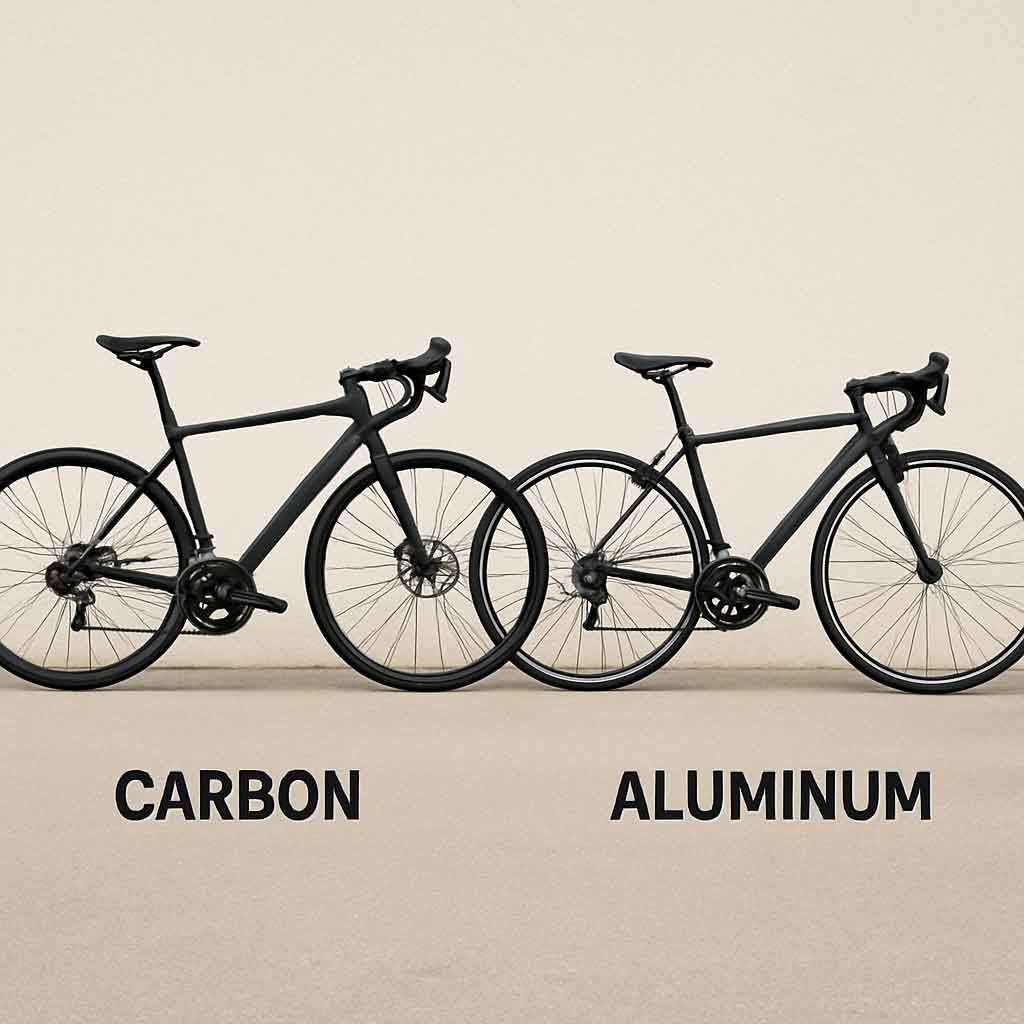
The Carbon vs. Aluminum Showdown: What's the Better Value Under $2,000?
This is the biggest question when hunting for value: should you get an entry-level carbon bike or a top-tier aluminum one? While carbon fiber has the high-tech allure, modern aluminum frames have become incredibly advanced. For the same price, a bike manufacturer can afford to put much better components on an aluminum frame, creating a fascinating carbon vs aluminum road bike value proposition for budget-conscious riders.
To see how this plays out, let's imagine you have an $1,800 budget. The choice often looks something like this:
-
The $1,800 Carbon Bike
-
Pro: The frame will do a better job of soaking up road vibrations, leading to a smoother, more comfortable ride.
-
Con: It will almost certainly come with heavier, entry-level components (like Shimano Tiagra) and basic wheels to meet the price point.
-
-
The $1,800 Aluminum Bike
-
Pro: It will likely feature a higher-end groupset (like Shimano 105) and lighter wheels, making it feel more responsive, shift crisper, and climb hills more easily.
-
Con: The ride will feel stiffer and you'll notice more of the bumps in the road compared to the carbon frame.
-
There is no single "best" answer—only what's best for you. If your main goal is all-day comfort for long, leisurely rides, the vibration damping of that carbon frame might be worth the trade-off. However, if you want the best possible performance for your dollar and dream of having one of the more lightweight road bikes on a budget, a premium aluminum bike is often the smarter financial move. This choice is made even more complex by a new wave of online-only brands changing the pricing game entirely.
The "Online-Only" Deal: Understanding Direct-to-Consumer Brands
Brands like Canyon, Polygon, and Vitus have become popular by using a "direct-to-consumer" (DTC) model, which cuts out the middleman—the local bike shop. Instead of shipping bikes to a store, which then sells them to you, they ship a bike directly from their warehouse to your front door. This removes a significant layer of cost, allowing them to offer impressive direct-to-consumer carbon bikes at prices that traditional brands can't match. It’s a compelling offer, but it comes with a crucial trade-off.
When you buy from a DTC brand, you become the final link in the assembly line. The bike arrives in a large box, about 85-90% assembled. You are responsible for the last, critical steps: attaching the handlebars, inserting the seatpost, putting on the front wheel, and sometimes fine-tuning the gears and brakes. While these brands provide tools and video tutorials, this step requires a degree of mechanical confidence that isn't for everyone. The savings you get are, in part, payment for doing this final setup yourself.
This model also changes how you get help. Without a physical storefront, all support, warranty claims, and returns are handled through online customer service. You can't simply roll your bike back to the shop for a quick adjustment. While you can always take your online-bought bike to a local bike shop (LBS) for repairs, you’re now a customer asking for service, not the person they sold the bike to. This distinction matters, as it shifts the responsibility of maintenance squarely onto your shoulders from day one.
Your Smart Buyer's Checklist: 5 Things to Verify Before You Buy
Whether you're eyeing a direct-to-consumer deal or a bike shop special, the technical details can be dizzying. To confidently choose an affordable carbon bike, use this simple checklist to cut through the marketing and focus on what truly creates a great riding experience.
-
A Name-Brand Groupset? Look for Shimano or SRAM printed on the gears and shifters. These brands are the gold standard for reliability, even at their entry-level price points.
-
What's the Warranty? A carbon frame is incredibly strong, but a manufacturer's warranty is your non-negotiable safety net. Look for at least five years of coverage on the frame; a lifetime warranty is even better and shows the brand has confidence in its product.
-
Does it Fit Wider Tires? This is a pro tip for future comfort. Check that the frame has clearance for at least 28mm tires. Wider tires can be run at lower pressures, acting like suspension to smooth out rough pavement.
-
What Do Reviews Say? Search for independent reviews from cycling publications or YouTube channels, not just the testimonials posted on the brand's own website.
-
Budget for Extras. Your new bike almost certainly won't come with pedals. Remember to factor in the cost of pedals, a helmet, and water bottle cages to your total budget.
The Final Verdict: Is an Affordable Carbon Bike Right for You?
An affordable carbon road bike is no longer an out-of-reach dream. The lower price comes from specific trade-offs, usually in the components and the grade of the carbon itself. You are no longer just looking at a price tag; you’re evaluating the real-world value of the complete package and can spot the difference between a smart bargain and a poor compromise.
So, what's the right move? It boils down to one simple question: what do you value most on a ride? If your top priority is smoothing out bumpy roads for long, comfortable weekend adventures, the vibration-damping quality of carbon makes it a fantastic choice. If, however, you want the best possible performance for your money—crisper shifting and lighter parts—a high-end aluminum bike often provides smarter carbon vs aluminum road bike value.
Ultimately, the question isn't just 'is a full carbon road bike worth it?' but 'is it worth it for you?' You are now equipped to make that choice. Instead of chasing a material, you can confidently select the bike that fits your personal goals and budget. The right bike is the one that makes you excited to get out and ride—and you now have the knowledge to find it.







 Jack Ding

