Welcome to Mondince Bike - A well-known factory specialized in produce carbon bike frame and other parts since 2007.


Understanding the Costs of Carbon Bikes
You’ve seen it before. Strolling past a bike shop, you spot a sleek, futuristic-looking bicycle in the window, and your eyes catch the price: $8,000. For a moment, you're sure it's a typo. How can a machine with no engine cost more than a reliable used car?
While brand names play a part, the answer often comes down to one word: carbon. But it’s not as simple as just using an expensive material. Think of it like a master chef’s secret recipe; the cost is hidden not only in the quality of the ingredients but in the complex, hands-on process required to create a masterpiece. To understand the price, we need to look at the raw materials, the intensive human labor, and the high-tech parts that complete the bike.
Not All Carbon Is Created Equal: The 'Ingredients' That Determine Price
When you see two bikes advertised as "carbon fiber," it’s natural to assume the core material is identical. In reality, the term is a lot like the word "fabric." Just as you wouldn't expect a basic t-shirt and a high-end suit to be made from the same quality cotton, not all carbon is created equal. This variation is a primary driver behind the vast price differences.
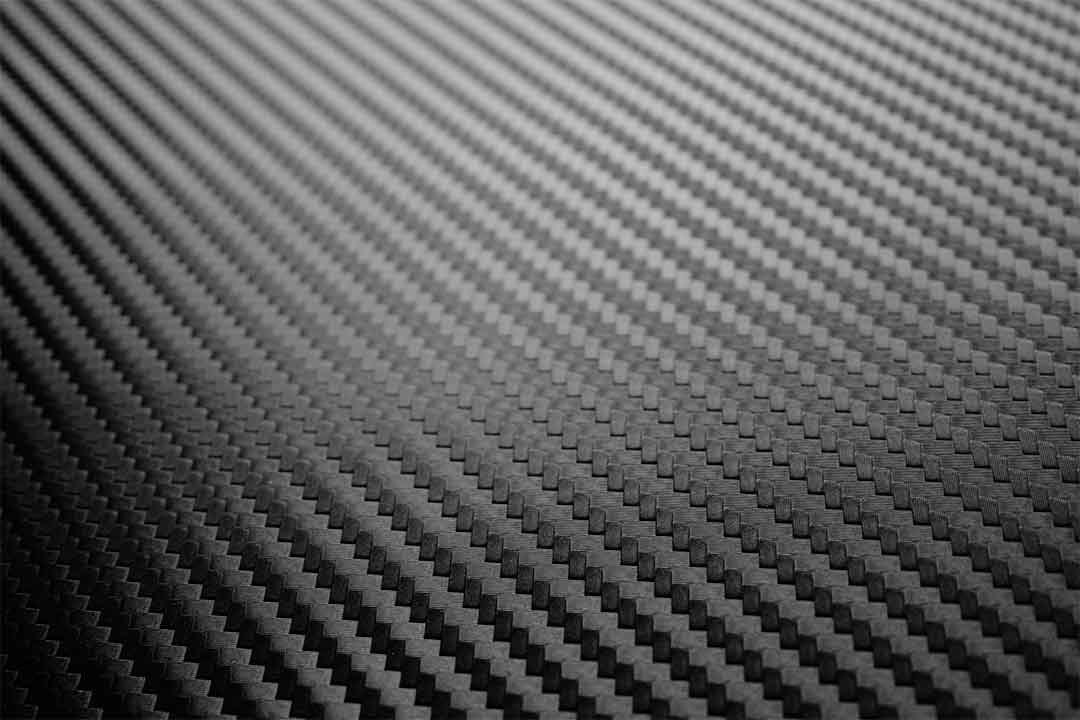
Manufacturers can choose from different grades of carbon fiber, each with its own price and performance characteristics. The highest-end grades are incredibly light and stiff, meaning they don’t flex easily under pressure. Cheaper carbon is still very strong, but manufacturers need to use more of it to achieve the same level of strength, which adds weight.
On the road, this translates to a tangible difference. A frame built with premium carbon often feels zippier and more responsive; it’s as if every ounce of your effort is immediately converted into forward motion. A frame using a more standard grade of carbon will still feel great, but it won't have that same feather-light, instantaneous feel. This difference in raw material is the first building block of the final price, but the 'recipe' is where costs truly climb.
The Hidden Labor: Why a Carbon Frame is More 'Handmade' Than You Think
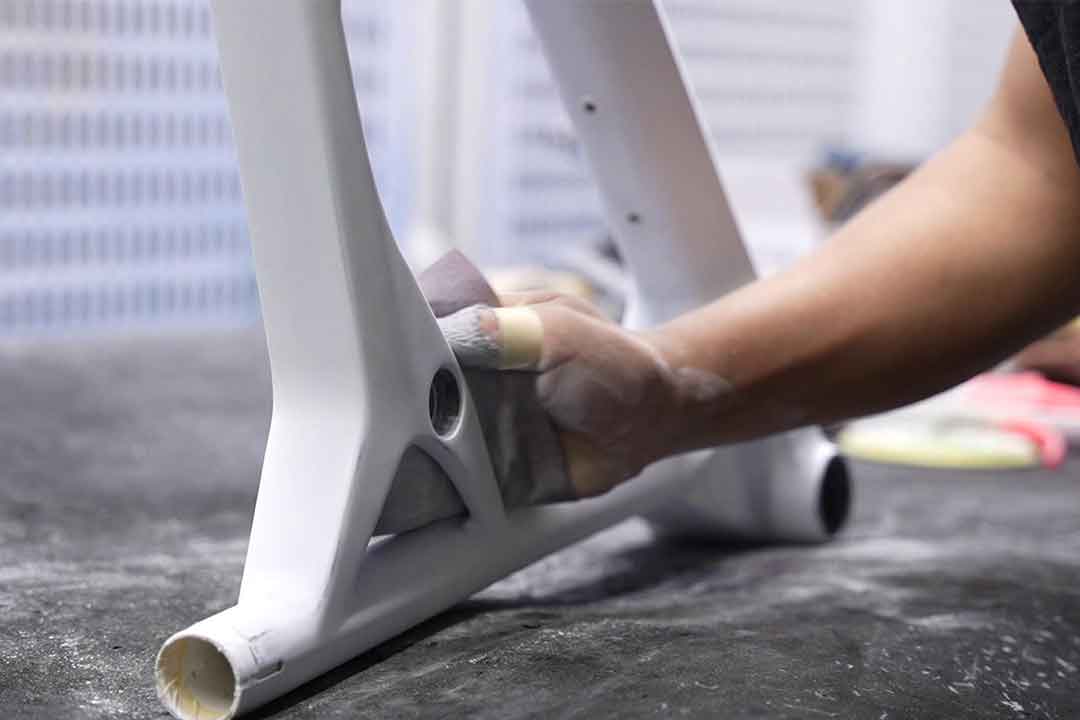
If the quality of the carbon fiber is the “ingredient,” then the “recipe” is surprisingly old-school. Most of us picture modern manufacturing as a highly automated process, but for carbon fiber bike frames, the reality is the exact opposite. Each and every frame is meticulously assembled by hand.
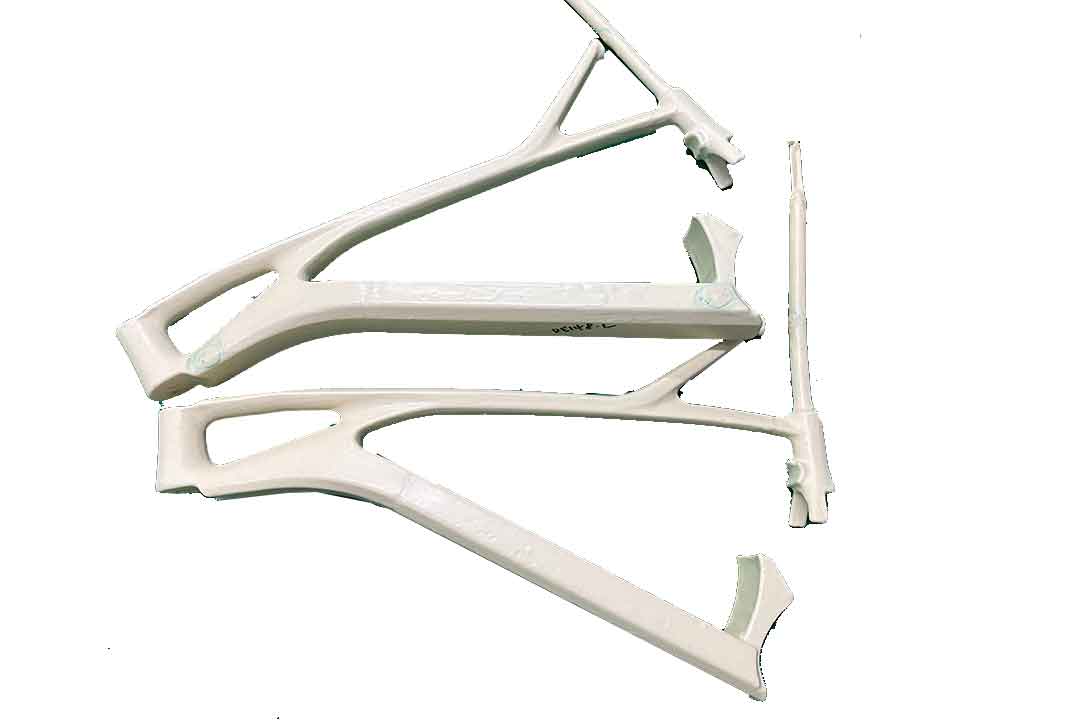
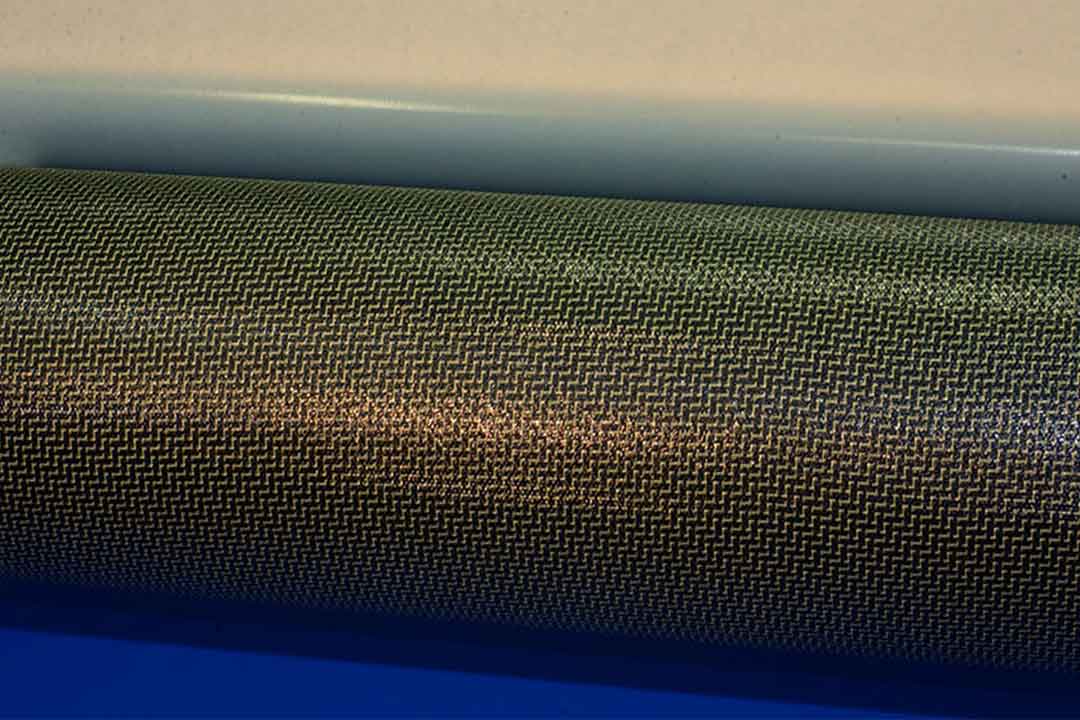
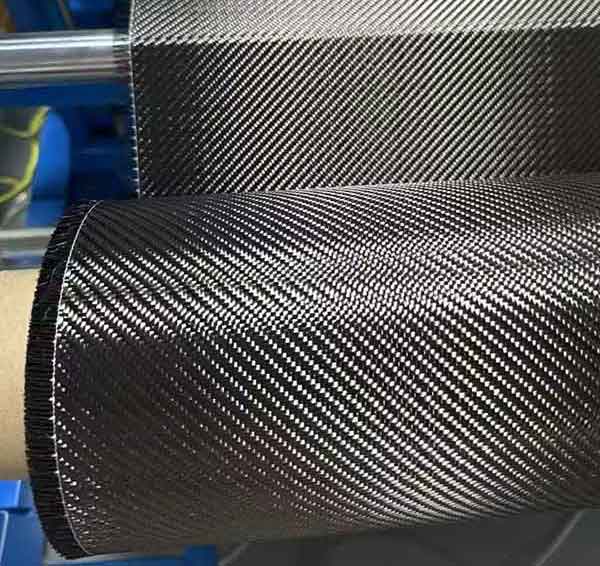
This process, called the "layup," is a bit like high-tech papier-mâché. Skilled workers take hundreds of small, precisely cut pieces of carbon fabric and carefully place them into a mold, layer by layer. They strategically orient each piece to control the frame's final characteristics—adding stiffness where you push on the pedals and building in a bit of flex for comfort from road vibrations.
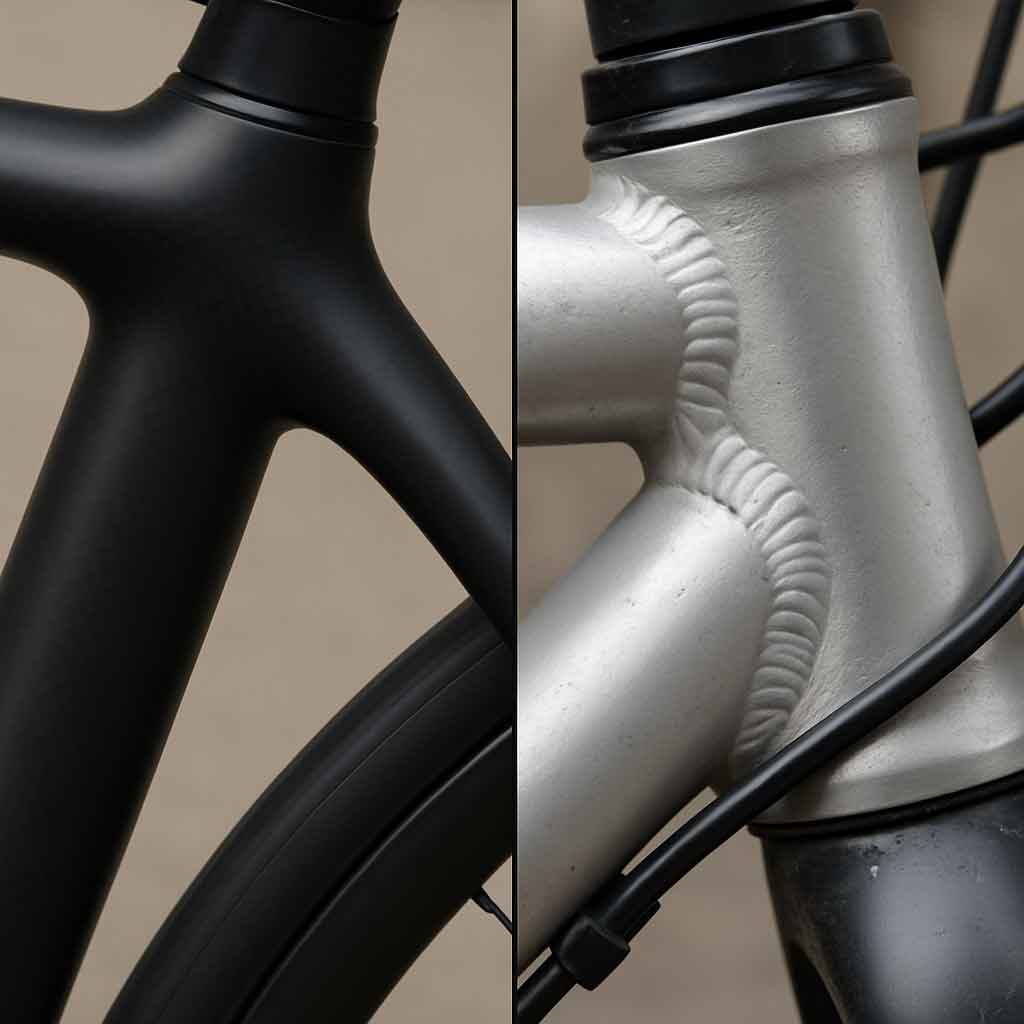
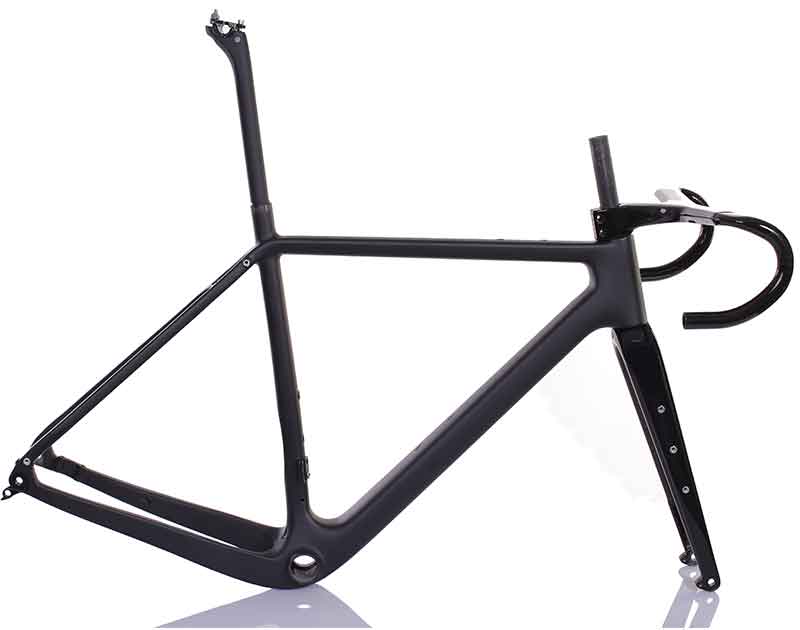
Unlike a metal frame where tubes are simply welded together, this layup process is incredibly time-consuming and accounts for a huge portion of the frame's cost. It takes a skilled technician many hours to assemble just one frame before it's sent off to be heated and cured under pressure. There are no shortcuts and no robots that can do this intricate work. Ultimately, this hands-on approach is what allows a $10,000 bike to feel fundamentally different from a $2,000 one.
Beyond the Frame: How Gears and Wheels Can Double the Price
While the frame is the bike's skeleton, it’s the other parts that bring it to life—and send the price tag soaring. The gears, shifters, and brakes are the bike's engine and transmission system, known in the cycling world as a groupset. An entry-level carbon road bike might share a frame shape with a pro-level model, but the groupset is where a huge portion of the cost difference is hidden.
Think of component levels like trim packages on a car. A basic Honda Civic gets you from A to B, but the top-tier model adds premium features and a more powerful engine. Bike groupsets follow the same logic:
- Basic: Functional mechanical shifting, made with heavier materials.
- Mid-Range: Lighter, with crisper and more reliable shifting.
- Top-Tier: Featherlight materials and flawless electronic or wireless shifting.
Just moving from a basic groupset to a top-tier electronic one can add over $3,000 to a bike’s cost.
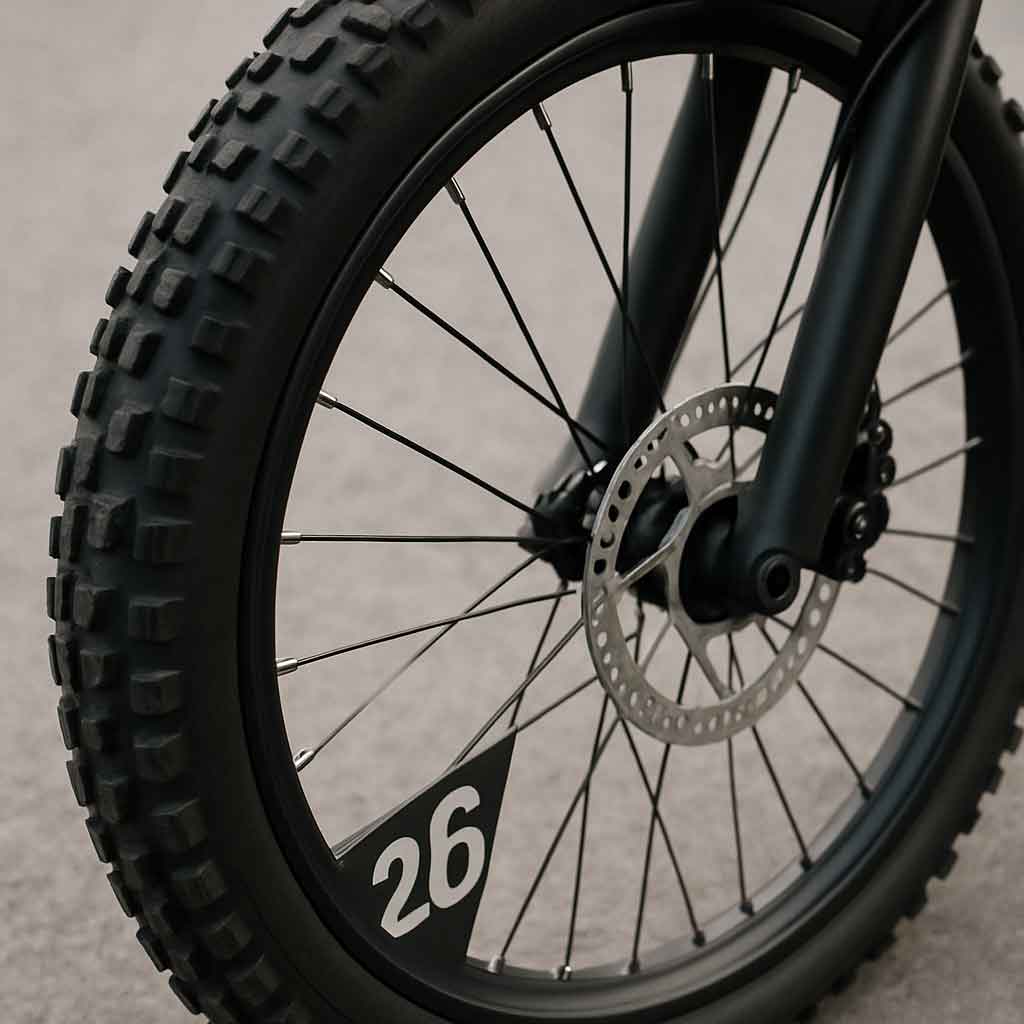
Finally, look at the wheels. A standard set of aluminum wheels is perfectly reliable, but a high-performance carbon wheelset is one of the most significant upgrades you can make. These are lighter, more aerodynamic, and can single-handedly add $1,500 to $3,000 to the price. When you combine a high-end frame, groupset, and wheels, you see how the costs quickly stack up.
Thinking Used? How to Avoid a Costly Carbon Mistake
Given the high prices, hunting for a used carbon bike seems like a smart move. However, there’s a unique catch. While a steel or aluminum frame will dent or bend, carbon can hide critical damage from a crash. What looks like a minor scuff could hide a compromised frame, and the potential carbon bike frame repair cost can quickly erase any savings.
A crucial step in any used carbon bike inspection guide is the "tap test." Gently tap all over the frame with a coin. Healthy carbon will make a sharp, solid “tick” sound. If you hear a dull, dead “thud”—like tapping on thick cardboard—it could indicate a serious issue where the internal layers have separated.
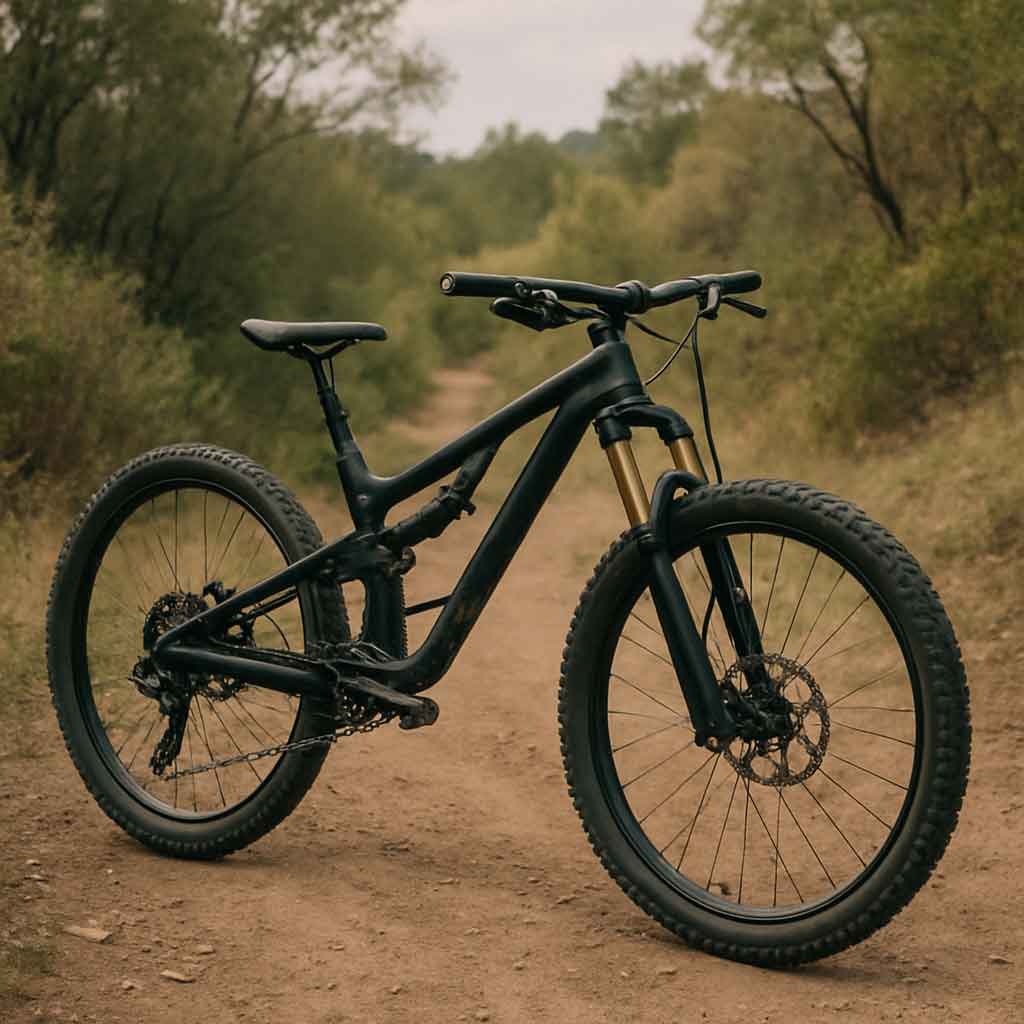
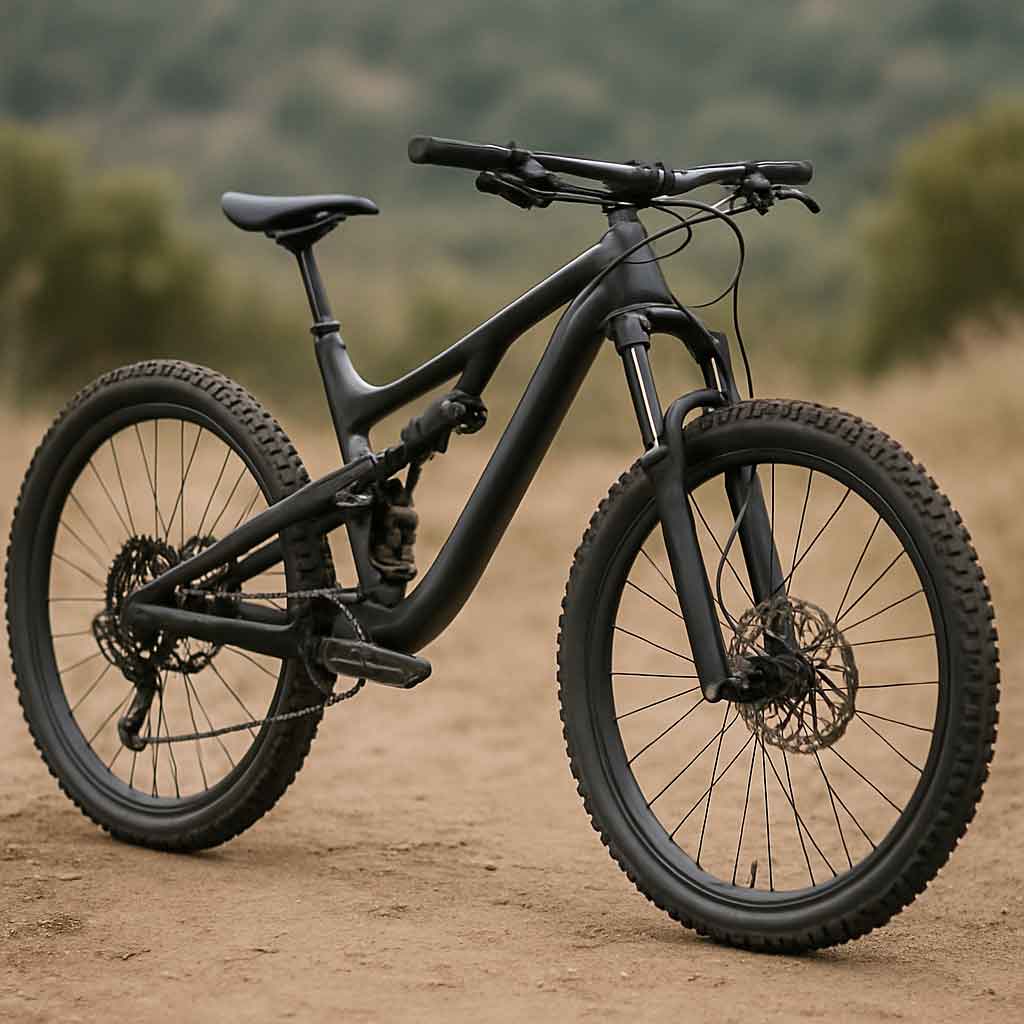
Beyond sound, pay extra attention to high-stress areas: where tubes join, under the main downtube, and around the seatpost clamp. Look for any spiderweb-like cracks in the paint, as these can signal underlying structural stress. This diligence is key whether you're looking for a road bike or one of the many budget friendly carbon mountain bikes, which often see rougher use.
So, Is a Carbon Bike Actually Worth It for You?
You’re no longer just looking at a price tag; you’re seeing the story behind it. Where before there was a confusing number, you can now identify the hidden ingredients: the quality of the carbon, the intensive labor of the layup, and the hierarchy of the components. That initial sticker shock has been replaced with informed understanding.
With this knowledge, you can self-assess. If your rides are relaxed weekend loops, a great aluminum bike is likely the smartest investment. But if you’re chasing speed or longer distances, you now understand exactly why that entry-level carbon frame represents a genuine leap in performance potential.
The question is no longer a mystery, but a personal calculation you are now equipped to make. You can weigh the carbon vs aluminum bike cost difference against your own goals, deciding for yourself where the point of diminishing returns truly lies.






 Jack Ding

