Welcome to Mondince Bike - A well-known factory specialized in produce carbon bike frame and other parts since 2007.


Understanding the Cost of Carbon Fiber Bicycles
You’ve seen them: the sleek, beautiful bicycles in the shop window with a price tag that looks more like it belongs on a used car. You lean closer and see the two words responsible: carbon fiber. What makes this material so special that it commands such a high price?
Is it just clever marketing, or is there real substance behind the cost? The answer lies in a fascinating blend of advanced materials and a surprisingly labor-intensive manufacturing process. In reality, building a carbon frame is a meticulous, hands-on craft—a primary driver of its cost.
This guide demystifies the price by exploring the material, the complex manufacturing process, and what the extra money gets you on the road. You’ll leave understanding bicycle cost from a new perspective and be able to decide if one is right for you.
What Is a 'Carbon Fiber' Bike Frame, Really?
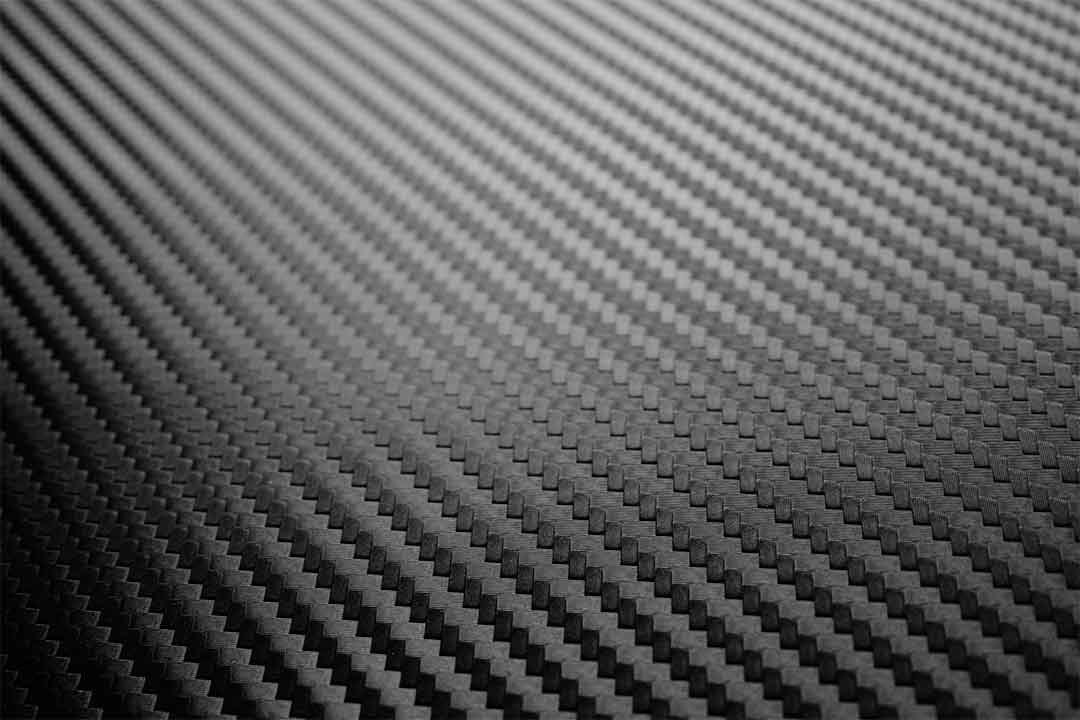
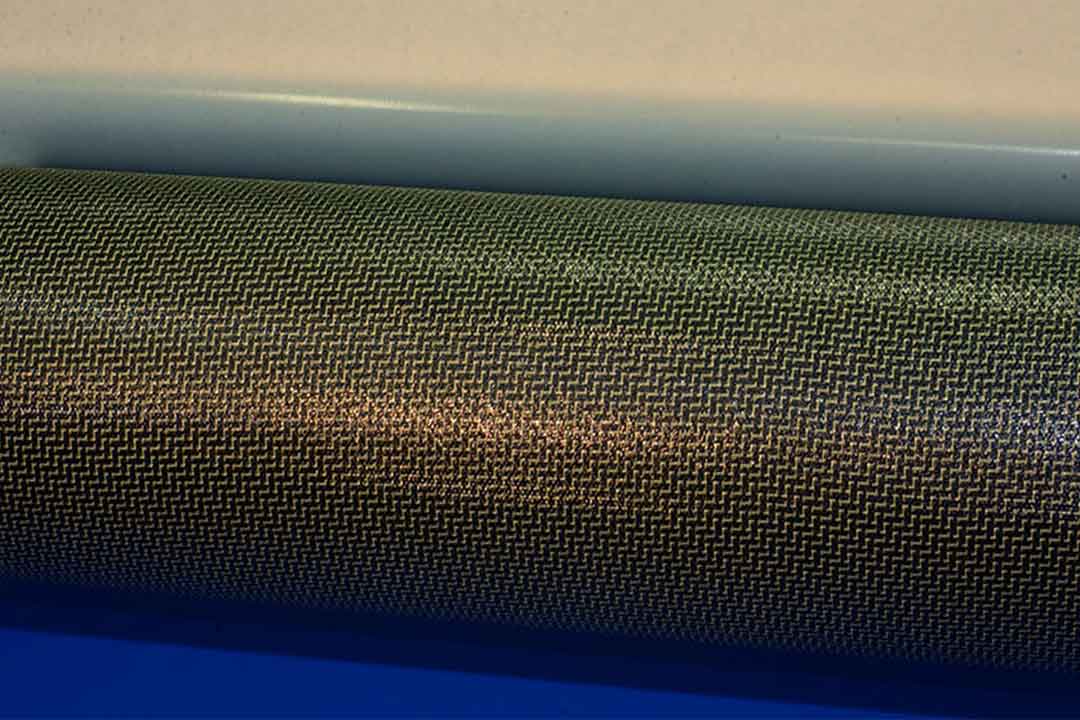
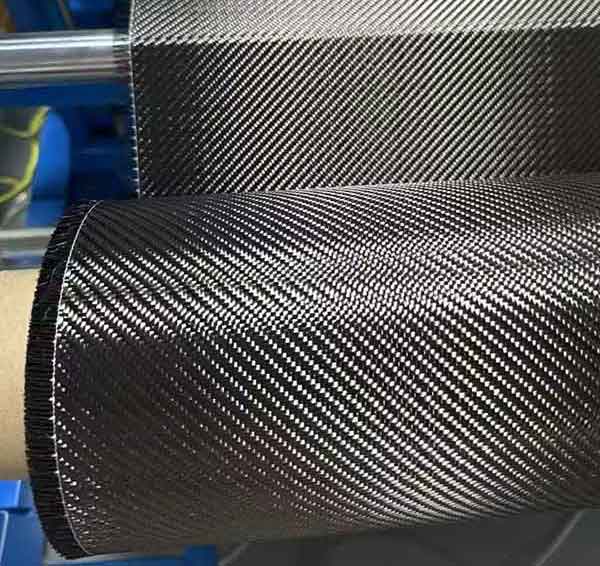
Unlike a steel or aluminum frame that's welded from metal tubes, a carbon fiber frame begins as something completely different: sheets of black, woven fabric. The best way to think about this carbon fiber material is like an advanced form of papier-mâché. The “paper” is the carbon fabric, and the “paste” is a super-strong, glue-like substance called resin that holds it all together.
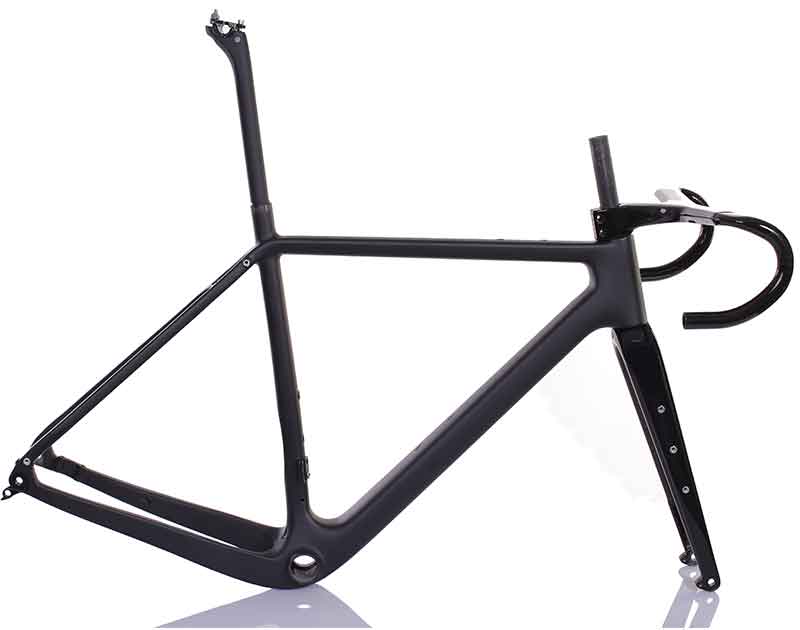
This combination of fabric and resin is what gives carbon fiber its almost magical properties. The finished, hardened material is stronger and stiffer than steel but weighs a fraction of the amount. It’s how you get a complete lightweight bike frame that can weigh less than a full bottle of water, making it far easier to pedal up hills and accelerate from a standstill.
Because the frame starts as a flexible fabric, designers can also mold it into complex, aerodynamic shapes that are difficult or impossible to create with round metal tubes. But this unique carbon frame manufacturing process—layering fabric into a mold—is a major contributor to its high cost because it’s almost entirely done by hand.
.jpg)
The Surprising Reason for the High Price: It's Made by Hand
You might picture a high-tech factory where robots spit out carbon frames, but the reality is much more like an artisan's workshop. Unlike a metal frame that can be quickly welded by a machine, the carbon frame manufacturing process is almost entirely manual, and this skilled human labor is the single biggest driver of its cost.
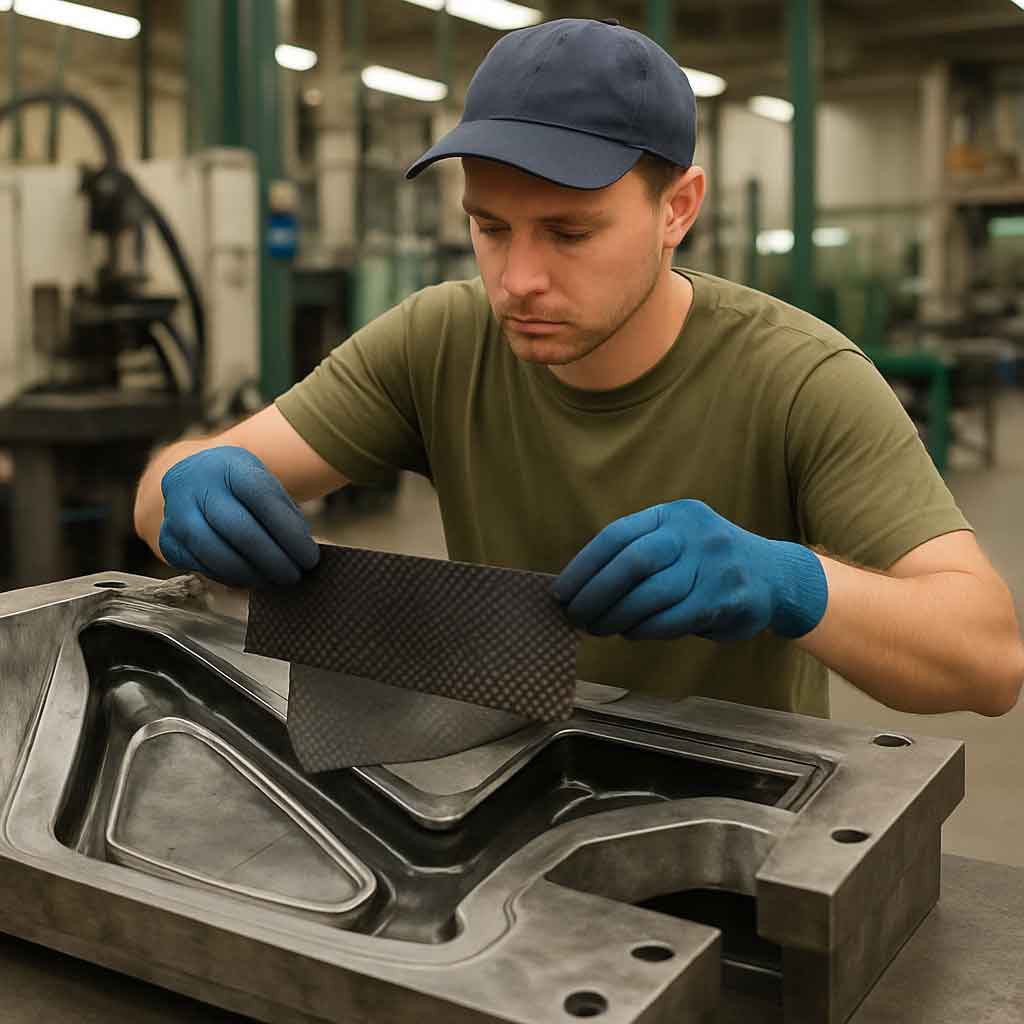
Think of it like building a ship in a bottle, but with hundreds of pieces. Skilled technicians take small, precisely cut sheets of carbon fabric and carefully place them one by one into a frame-shaped mold. Each piece is oriented in a specific direction to provide strength where it's needed and a little flex for comfort elsewhere. A single high-end frame can contain over 400 of these individual pieces.
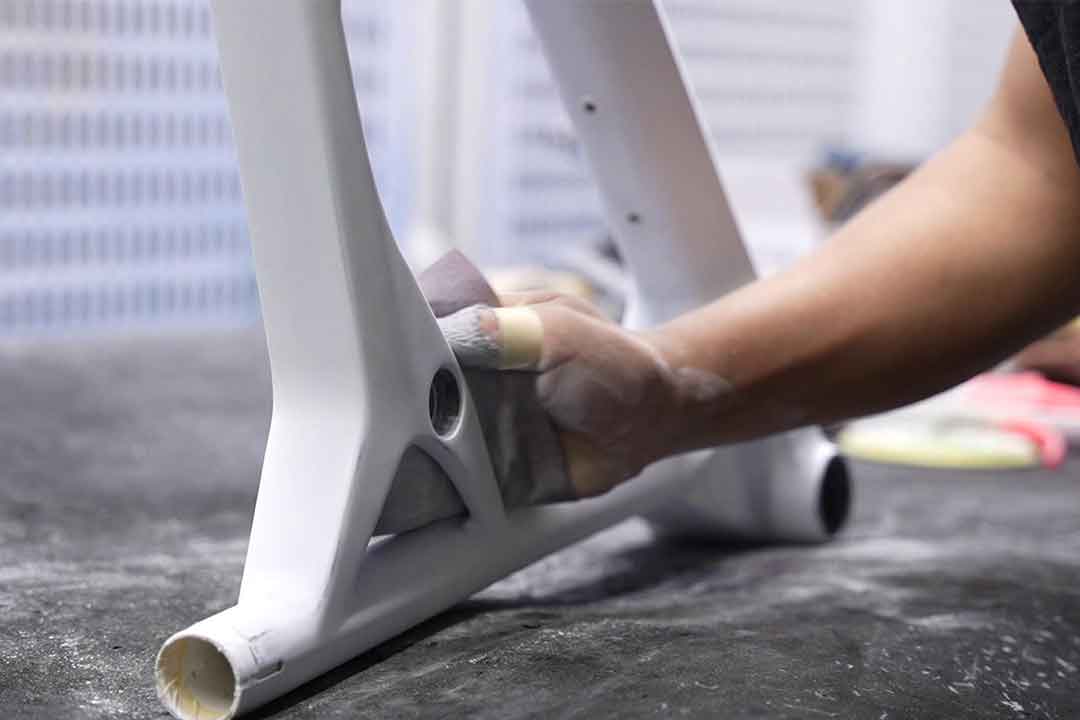
This meticulous process takes time—a lot of time. It can take a skilled worker a full day or more to lay up just one frame. When you compare that to the relatively short time it takes to weld an aluminum frame, you can see where the carbon fiber labor cost comes from. You’re not just paying for a material; you're paying for hours of an expert’s focused work.
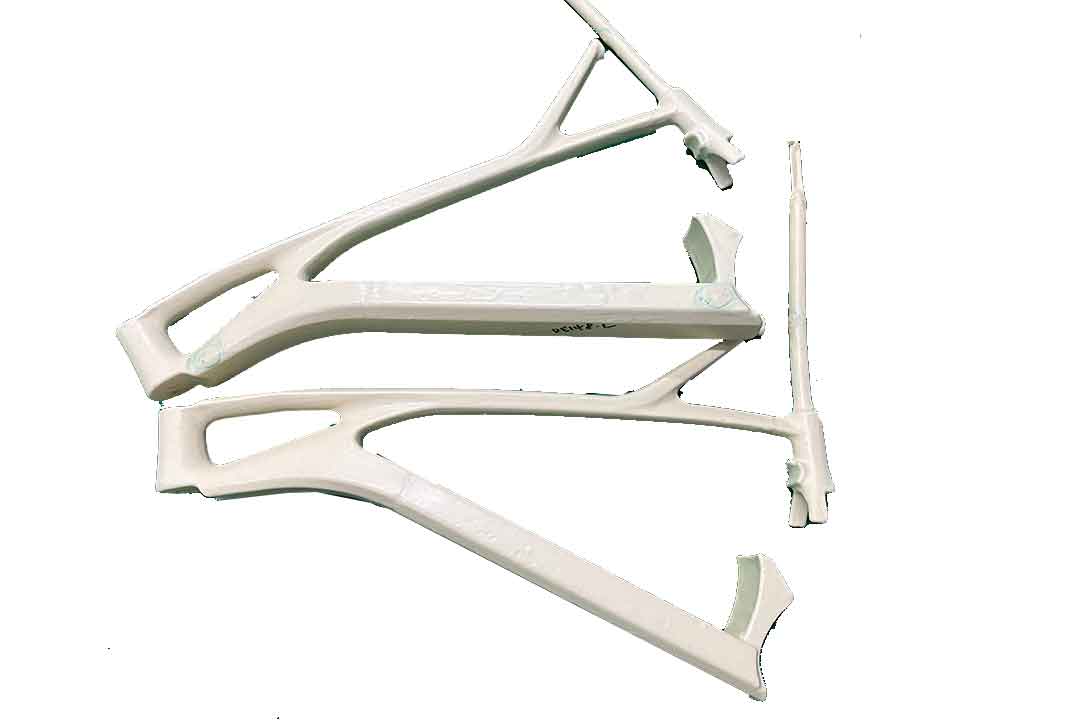
Once all the layers are in place, the mold is sealed and baked in a high-pressure oven, fusing the fabric and resin into a single, incredibly strong, and lightweight part. While this slow, hands-on method is the primary cost driver, the raw materials and expensive molds also play a significant part.
Not Just Labor: Why Materials and Molds Add Thousands to the Cost
That mold the carbon sheets are placed into isn't a simple baking pan. It's a massive, two-sided block of precision-machined steel. Creating just one of these molds can cost a manufacturer tens of thousands of dollars, and because bikes come in different sizes, they need a separate, expensive mold for every single size they offer. This enormous upfront investment is a huge factor in the final price of the bike.
Beyond the tooling, the raw ingredients themselves vary wildly in price. Think of it like cooking: you can use standard flour or premium, finely milled artisan flour. Both work, but one produces a much better result and costs more. Similarly, there are different grades of carbon fiber. While all are strong, the highest-end versions are exceptionally lighter and stiffer. This premium material allows engineers to build a better-performing frame, but its high cost directly contributes to a larger carbon vs aluminum bike price difference.
Finally, you’re paying for the immense amount of brainpower behind the design. Before a frame ever goes into production, engineers spend countless hours on research, computer modeling, and creating prototypes to test for strength, comfort, and aerodynamics. This entire carbon frame manufacturing ecosystem—skilled labor, expensive molds, premium materials, and intensive research—explains why these bikes command a premium. It also starts to explain how both a $2,500 bike and a $12,000 bike can be made of "carbon."
Why a $2,500 and a $12,000 Bike Are Both "Carbon"
If they're all made of the same stuff, why does one cost as much as a family vacation? The answer is that “carbon fiber” isn’t a single ingredient; it’s a recipe. How that recipe is designed and executed dramatically changes how the bike feels to ride and, consequently, how much it costs.
Consider "stiffness." Think of a diving board. A good, stiff board directs all your energy into the jump. A flimsy one wobbles and wastes your effort. A stiff bike frame does the same thing, ensuring that when you push down on the pedals, all your power goes directly into moving the bike forward. This makes the bike feel wonderfully responsive and fast.
But a bike that’s only stiff would feel terrible, rattling your bones over every bump. That’s where the other side of the recipe comes in: "compliance," or comfort. Engineers can strategically use different types and layers of carbon to build flex into specific parts of the frame, allowing it to soak up road vibrations like a car's suspension. It’s the difference between sitting on a hard park bench and a comfortable office chair.
This delicate balance is the secret sauce. The entry-level carbon bike cost reflects a simpler recipe that might be stiff but not very comfortable. As the price goes up, you’re paying for a far more complex layup that achieves the holy grail: a bike that is both incredibly stiff for power and perfectly compliant for comfort. This engineering refinement is a key differentiator in Trek vs Specialized carbon bike pricing discussions and is central to answering if are carbon bikes worth the money for you.
It’s Not Just the Frame: How Wheels and Gears Can Double the Price
While the frame is the heart of the bike, the components attached to it are what truly bring it to life—and often have the biggest impact on the final price tag. The collection of gears, shifters, and brakes is sold as a package called a "groupset." Just like with car engines, these groupsets come in different levels that dramatically affect performance and cost.
This is a major reason why two carbon bikes can have such different prices. The question of how components affect bicycle cost is often answered by looking at this "good, better, best" hierarchy. For example:
- Good (e.g., Shimano 105): Found on bikes around $2,500.
- Better (e.g., Shimano Ultegra): Common on bikes around $4,500.
- Best (e.g., Shimano Dura-Ace Electronic): Pushes bike prices to $8,000+.
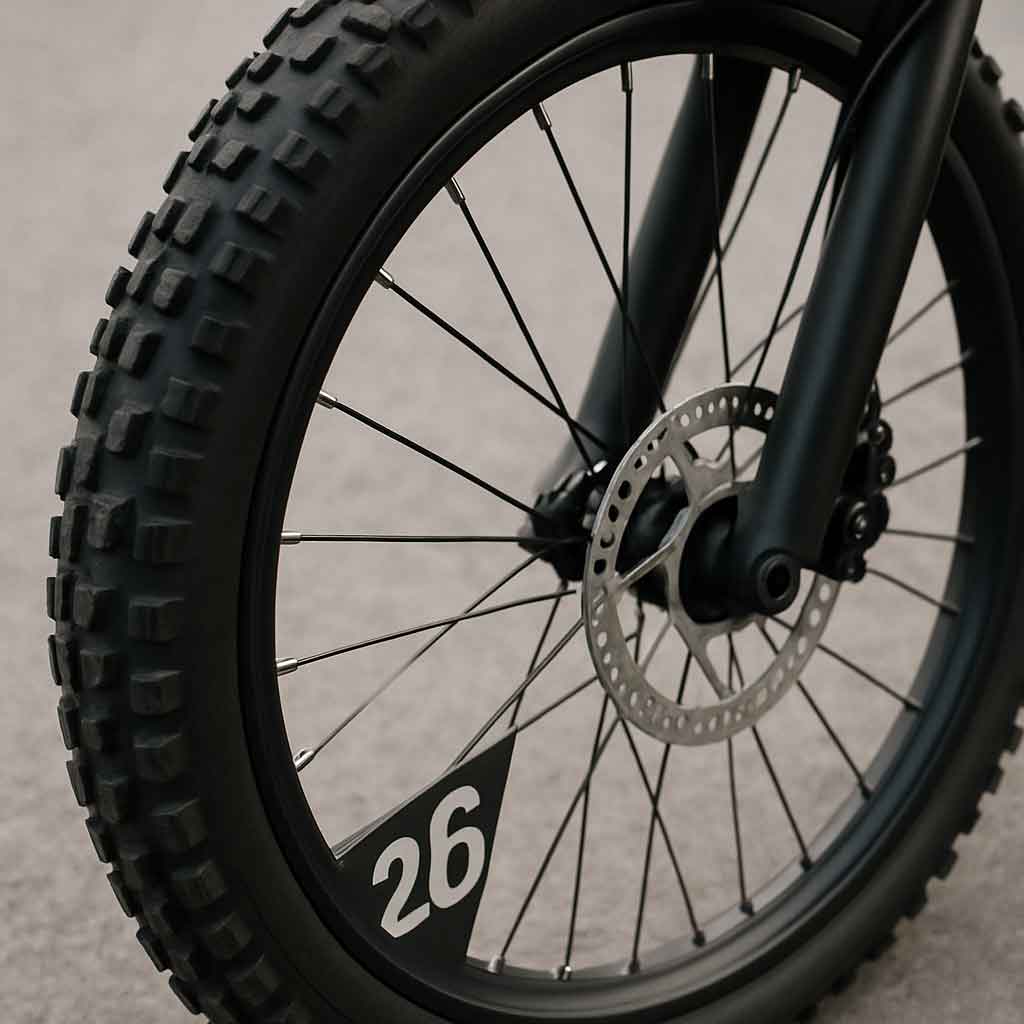
Beyond the gears, the wheels make a massive difference. Most carbon bikes under $3,500 come with standard aluminum wheels. An upgrading to a carbon wheelset cost is often a $1,000 to $2,000 investment on its own, but it provides a huge boost in aerodynamics and acceleration. This is why finding the best budget carbon road bike often means finding a smart balance between the frame and the parts attached to it.
Is a Carbon Bike Worth It For You? A Simple Test
Are carbon bikes worth the money for someone who isn't planning on racing? The answer depends less on the bike and more on you. Think about your own riding. Are you hoping to ride longer distances, tackle more hills, or simply feel less beat-up after a weekend spin?
For many casual riders, the biggest benefit isn't speed—it's comfort. Carbon frames are fantastic at absorbing road vibrations, meaning a smoother ride that leaves you feeling less fatigued. That slight buzz you feel in your hands and seat on a metal bike can wear you down over an hour. On carbon, much of that disappears. You’ll also feel the difference when lifting the bike onto a car rack or climbing a steep hill.
Ultimately, the choice comes down to your budget and how often you ride. The typical carbon vs aluminum bike price difference for a well-equipped bike is around $800 to $1,000. If you only ride a few times a year, that money is better spent elsewhere. But if you ride weekly and want to make those rides more enjoyable, that premium can be a fantastic investment. Deciding how much to spend on a first carbon bike is about finding that balance.
Your Smart Start: How to Buy Your First Carbon Bike Without Regret
Understanding the cost of a carbon fiber bike is the first step toward making a smart purchase. The price tag reflects a story of hands-on labor, advanced materials, and the detailed engineering that separates a good frame from a great one. Armed with this knowledge, you can navigate the market with confidence.
Your search for the best budget carbon road bike should start by targeting the "sweet spot" of value. Look for bikes built around a solid, entry-level carbon frame and a reliable, mid-range component set like Shimano 105. This combination is the gold standard, delivering a huge portion of the performance and feel of a top-tier bike without the premium price.
To find these deals, explore direct-to-consumer carbon bike brands online, as they often pack more value into every dollar. If you're looking at the used carbon fiber bike value to stretch your budget further, make a professional frame inspection your non-negotiable first step. This one check is the best way to ensure you’re buying a bike that is safe and sound.
Ultimately, the goal isn’t to find the most expensive bike, but the one that makes you most excited to ride. You’re not just buying a material—you’re investing in the joy of a smoother, faster, and more inspiring ride.







 Jack Ding

