
Have you ever been riding a bike and felt like you hit a wall of wind? That feeling of pushing harder just to stay at the same speed is something every cyclist knows. This invisible force is called air resistance, or “drag,” and on most flat roads, it’s the single biggest thing holding you back—even more than the weight of your bike.
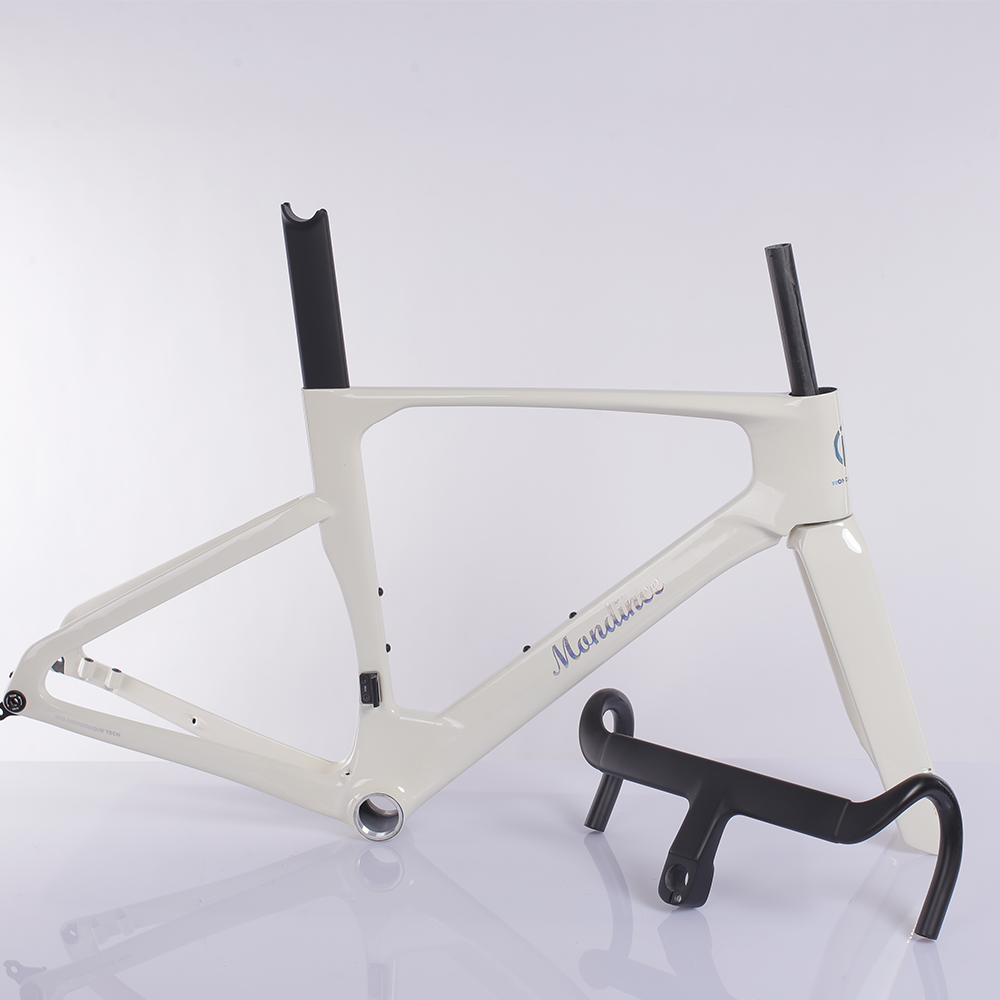
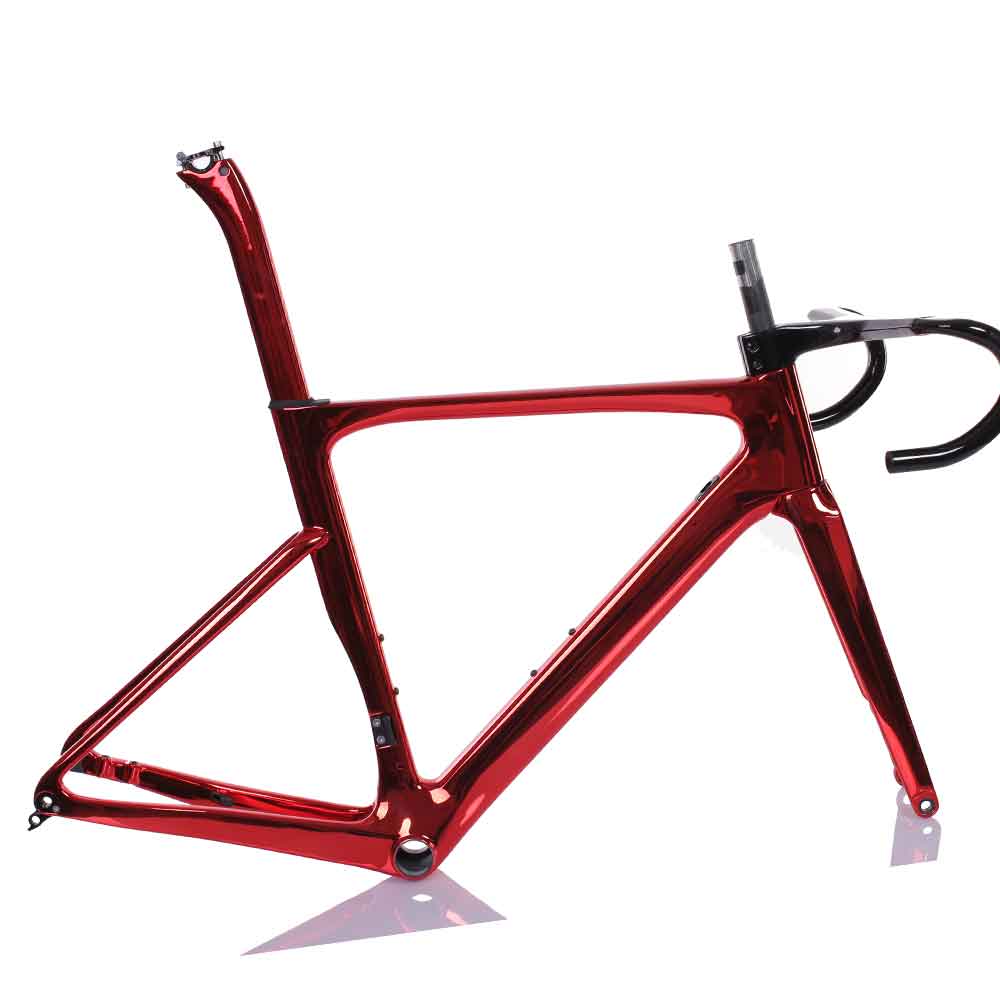
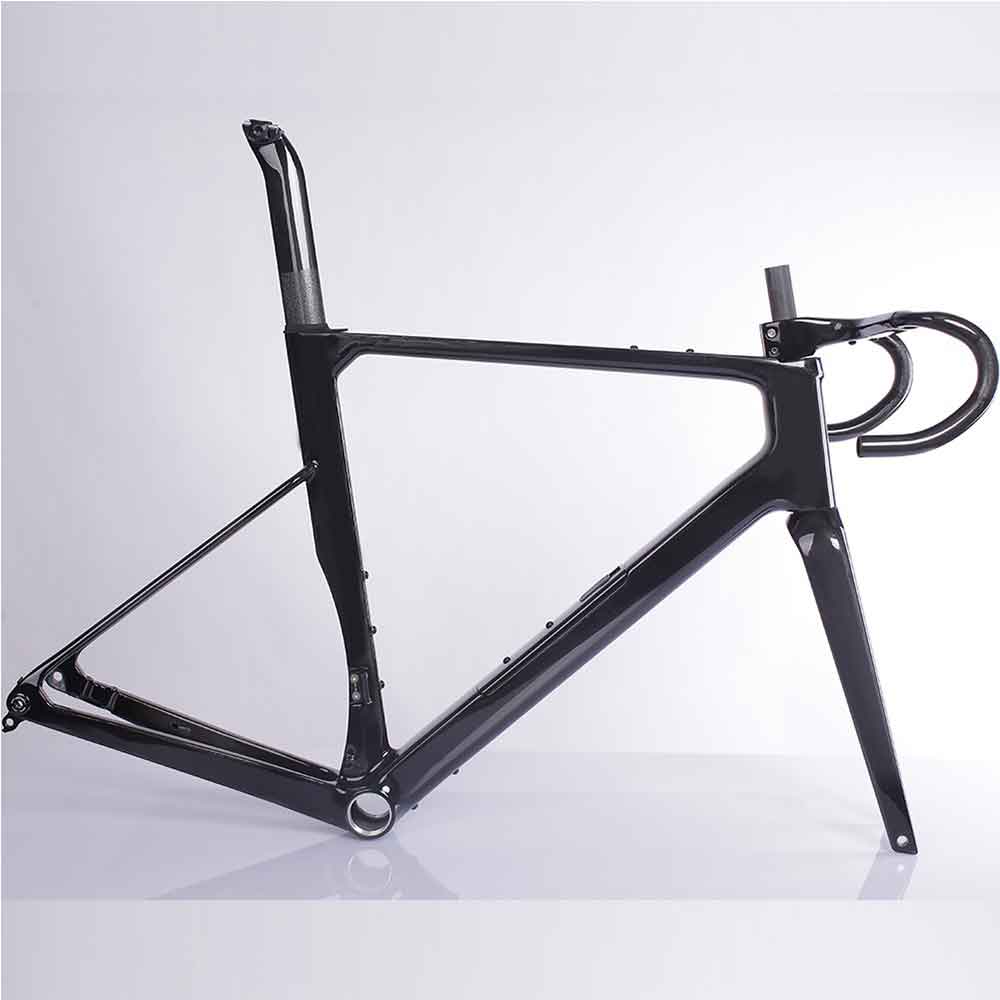
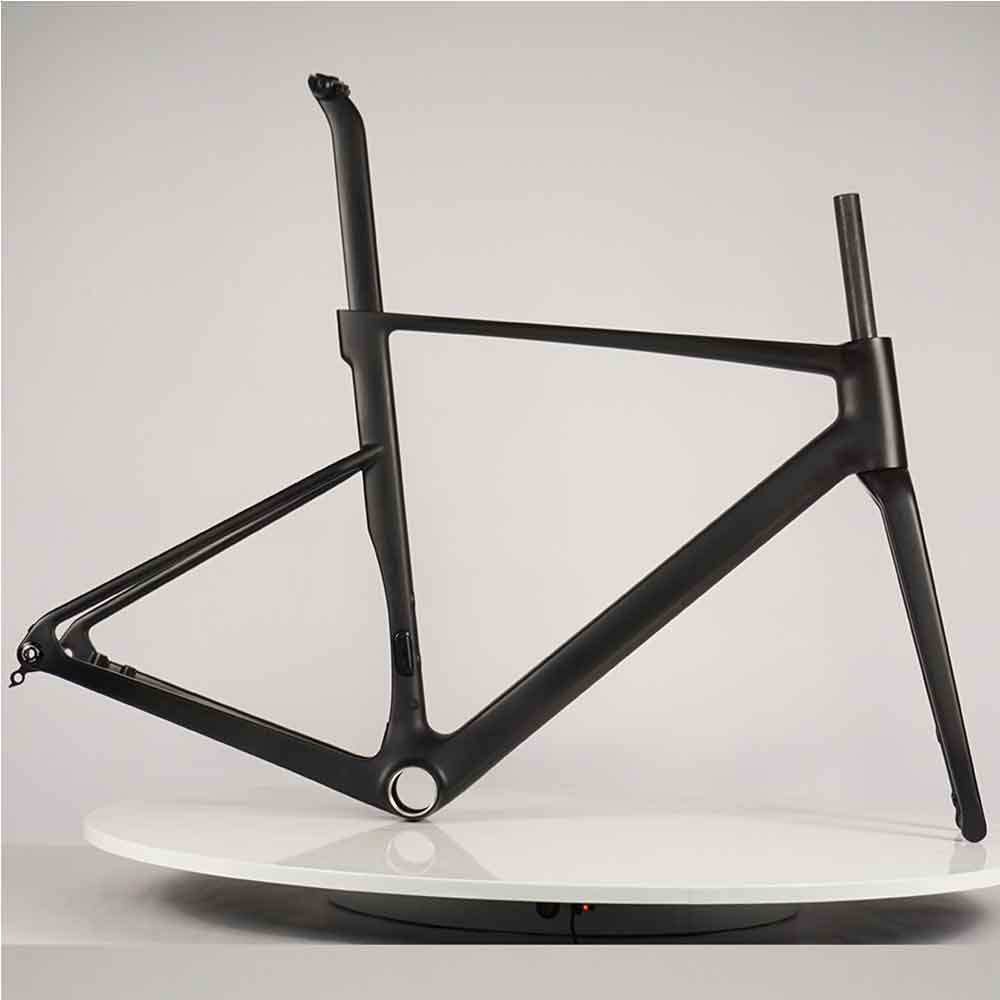
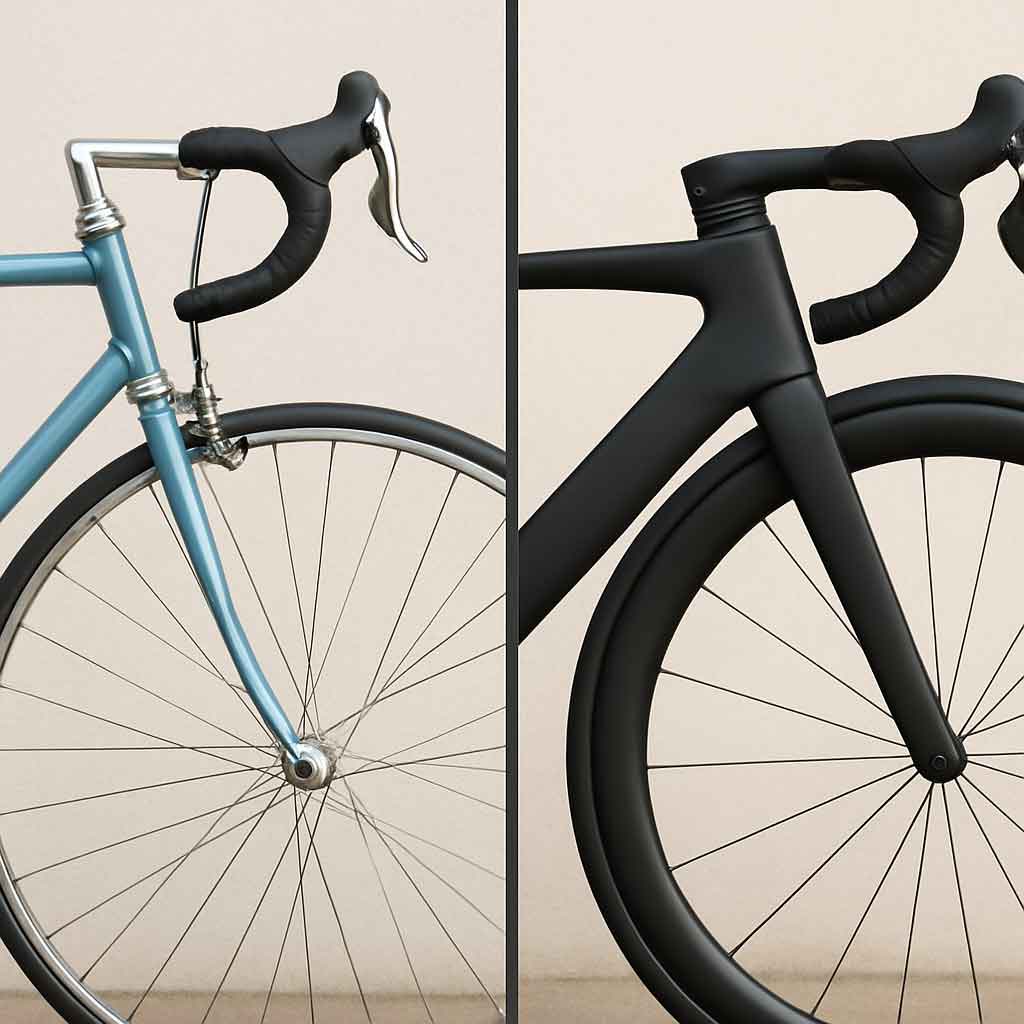
To fight this, designers have transformed the look of modern bicycles. If you’ve seen a road bike with flat, deep, wing-like tubes, you’ve seen an aero road bike frame in action. This futuristic shape isn’t just for style; it’s engineered to slice through the air, making you faster for the same amount of effort.
But is speed the only goal? Choosing an aerodynamic frame often means balancing raw velocity against other factors like weight and comfort. In practice, these specialized shapes can add weight or create a stiffer ride. This guide explores these trade-offs, helping you understand the real-world benefits and compromises of going aero.
The Secret of Speed: How a Frame Shape Slices Through the Air
You can feel the basics of aerodynamics for yourself. The next time you're in a car, hold your hand out the window (safely, of course). If you hold it palm-forward, the wind pushes back hard. But if you turn your hand so the thin side faces forward, it slices through the air with ease. Bike designers applied this exact principle to the frame itself. The cross-sectional shape of a tube, known as its tube profile, determines how much it fights the wind.
For decades, most bike frames were built with round tubes—like simple pipes. While strong, a round shape isn’t great at cutting through the air. Air hits the front and then tumbles into a messy, swirling wake behind it, creating significant aerodynamic drag. To solve this, designers looked to the sky for inspiration. They began shaping the frame tubes like small airplane wings, using what’s called an airfoil tube shape. This is the single biggest factor in what makes a bicycle frame aerodynamic.
Unlike a round pipe, this wing-like shape encourages air to flow smoothly along its surfaces and reconnect cleanly behind it. Less messy, turbulent air means less drag pulling you back. The result is a bike that helps you maintain your speed with less effort, almost as if you have a gentle, invisible push.
How Much Faster Is an Aerodynamic Bike, Really?
So, will an aero frame make you instantly faster? The answer is more about being efficient than achieving a new top speed. Think of it less like upgrading your engine and more like making your car use less fuel. An aero frame allows you to hold your current speed with noticeably less effort. This saved energy is the real prize, as it means you can ride further or finish your usual route with more in the tank.
The benefits you feel are also directly tied to how fast you're going. At a relaxed pace, say under 15 mph (25 km/h), the air doesn't push back very hard, so the frame's shape offers little advantage. However, as you pick up speed, air resistance grows dramatically and quickly becomes the main force you’re fighting. It’s above this speed that the aero frame truly comes alive, slicing through the air that would otherwise be holding you back.
Instead of a sudden burst of acceleration, the effect of an aero frame feels more like having a constant, gentle tailwind at your back. You’re simply not fighting the wind as much. This efficiency is what allows you to either go faster for the same effort or, more commonly, feel less beaten down by the wind on a long ride. Of course, this specialized performance doesn’t come without its own set of compromises.
The First Trade-Off: Why Aero Bikes Can Be Heavier
That sleek, wing-like shape of an aero frame isn't created from thin air. To make a tube deep and strong enough to hold its aerodynamic profile, designers must use more material—typically more layers of carbon fiber—than they would for a simple round tube. While it might only be a little extra for each tube, it adds up across the whole frame. This is the straightforward reason for the weight penalty you often hear about with aero bikes; those efficient shapes are inherently heavier than their skinny, minimalist counterparts.
On a flat road, that extra pound or two is easily offset by the aerodynamic advantage. But the moment the road points uphill, the game changes. As your speed drops on a steep climb, air resistance becomes less of a factor and gravity becomes your main opponent. Suddenly, that aerodynamic benefit vanishes, and you’re left fighting to pull that extra weight to the summit. This is the core trade-off: what helps you fight the wind on the flats can become a burden when you’re fighting gravity on the hills.
This very dilemma created another category of road bike: the ‘Climbing’ bike. Designed as the aero bike’s opposite, these lightweight frames prioritize shedding every possible gram. They often use smaller, more traditional tubes to create a feathery-light chassis that feels incredibly nimble on climbs and quick to accelerate. This specialization gives riders a clear choice between a bike built to slice through the wind and one built to dance up mountains.
The Second Trade-Off: Are Aero Road Bikes Comfortable?
Beyond just weight, the very shape that makes an aero bike fast also changes how it feels on the road. Those deep, flat tubes are designed to be incredibly rigid to cut through the wind without deforming. A side effect of this aerodynamic frame stiffness is that the tubes are less able to bend vertically to absorb vibrations from bumps and imperfections in the pavement.
This ability for a frame to soak up road buzz is known as vertical compliance. Think of it as a frame’s subtle, built-in suspension. A bike with high compliance acts like a running shoe with a cushioned sole, filtering out small impacts before they reach you. Because aero frames must be rigid to hold their wind-cheating shape, they often have less of this natural cushioning. As a result, more of the road’s texture is transferred directly to the rider.
So, are aero road bikes uncomfortable? Not necessarily—they are simply firmer. What one rider calls ‘harsh,’ another calls ‘responsive’ and ‘connected to the road.’ This firm feeling provides instant feedback and efficient power transfer, a sensation many performance-focused cyclists love. However, if your typical ride involves rougher pavement, that firm ride might become tiring over long distances. Ultimately, comfort depends on your personal preference, the quality of your roads, and other critical factors like your bike fit.
Beyond the Frame: What Is an "Integrated Cockpit"?
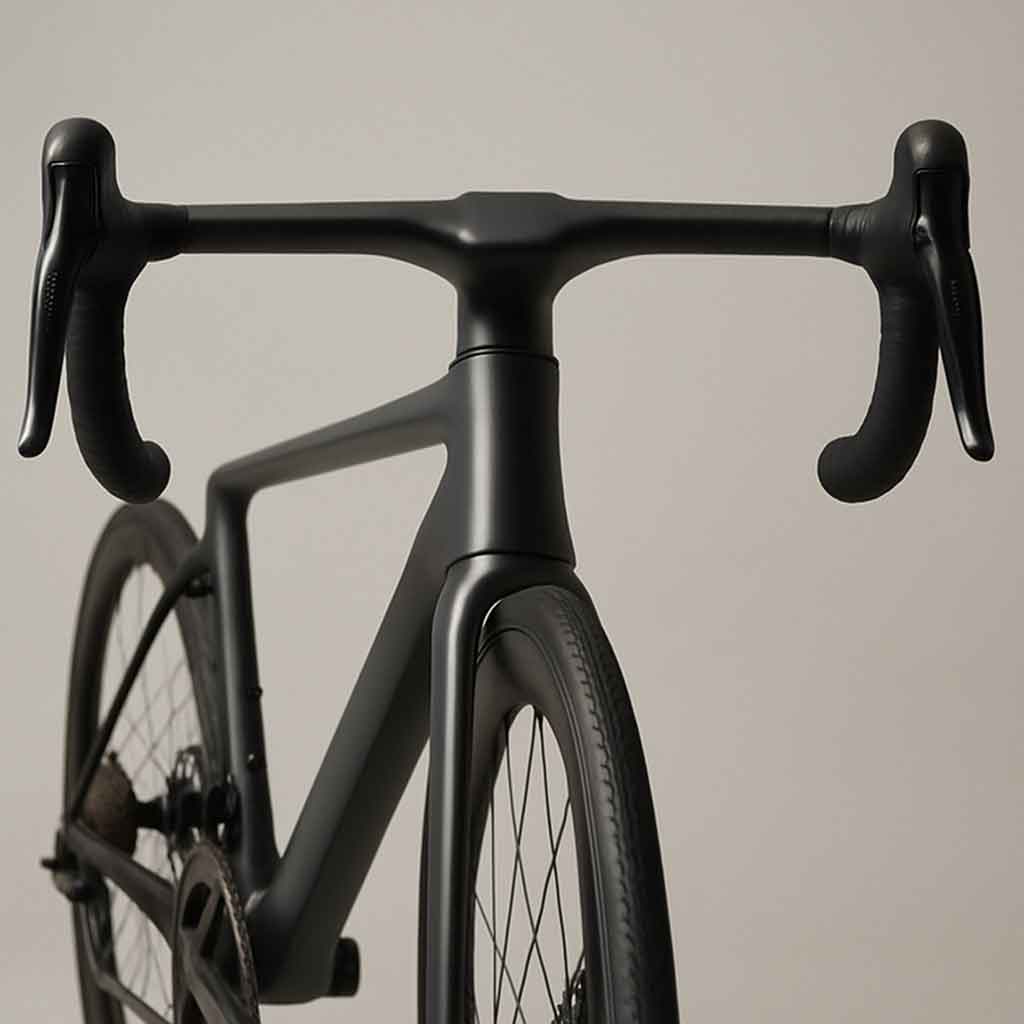
The quest for speed doesn't stop with the frame's main tubes. Think about what part of your bike hits the wind first: the handlebars and all the cables that hang from them. Each exposed cable, no matter how thin, creates its own little pocket of drag. As designers sought more aerodynamic advantages, they realized that cleaning up this cluttered area was the next logical step.
To create an even slipperier profile, they combined the handlebars and the piece that connects them to the frame (the stem) into one single, flowing component. This molded unit is known as an integrated cockpit. Its primary job is to provide a smooth, uninterrupted shape at the very front of the bike while hiding the brake and shifter cables completely inside the bars and frame.
The main benefit of an integrated cockpit is giving the wind a much cleaner surface to flow over. Imagine the difference between an old biplane with its exposed wires and struts and a modern jet with its perfectly smooth nose. By eliminating the clamps and exposed cables, the integrated system reduces turbulence right where it matters most. It’s a key piece of the puzzle that helps the entire road bike frame geometry work together to slice through the air with minimal resistance.
The Clever Compromise: What Is a "Kammtail" Shape?
While a long, teardrop-shaped tube is fantastic at slicing through the wind, it creates other problems on a bicycle. A full airfoil shape requires more material, which adds weight. It also creates a very stiff structure, which can feel harsh and unforgiving on anything but the smoothest roads. Engineers faced a classic dilemma: how do you get the aerodynamic speed of a wing without paying the price in weight and comfort?
The solution they landed on is a brilliant piece of engineering called the Kammtail. Imagine taking that ideal, long teardrop shape and simply chopping its tail off, leaving a flat, squared-off back. It seems like it would ruin the airflow, but something fascinating happens. The air flowing over the tube behaves as if the tail is still there, creating a small pocket of air that acts like a "ghost tail" to guide the airflow smoothly.
This clever design trick provides a huge advantage. You get most of the drag-reducing benefit of a full airfoil, but in a lighter, more structurally sound package. Because the tube is less deep, it can also be designed to be more comfortable than a super-deep, rigid airfoil. The Kammtail is the ultimate compromise, delivering real-world aerodynamic speed while keeping the bike practical, light, and enjoyable to ride.
Is an Aero Road Bike Frame the Right Choice for You?
With the science behind these wind-cheating shapes clear, the big question remains: is an aero bike the right choice for you? The answer isn’t about which bike is “best” overall, but which is best for the riding you do. The classic debate of an aero vs lightweight road bike comes down to a simple trade-off between fighting the wind and fighting gravity.
Think about your typical route. An aero frame offers its biggest advantage on flat or rolling roads, where maintaining speed against air resistance is your main challenge. On these terrains, the bike feels tangibly faster, helping you hold a higher speed with the same effort. However, on long, steep climbs, that aerodynamic advantage shrinks and the frame’s slightly higher weight becomes more noticeable. Choosing an aerodynamic frame often means prioritizing speed on the flats over the ultimate lightweight feel in the mountains.
This kind of bike is a fantastic choice for many riders, especially those choosing an aerodynamic frame for a triathlon or for riding in flat regions. See if these points resonate with you.
An Aero Bike Might Be For You If...
- You ride mostly on flat or gently rolling terrain.
- Your primary goal is to go faster or hold speed more easily.
- You enjoy the feeling of a stiff, highly responsive bike that reacts instantly.
- You simply love the modern, cutting-edge look and the feeling of efficiency.
Ultimately, there is no single right answer. By understanding that aero frames are specialized tools designed to conquer the wind, you are perfectly equipped to decide if that’s the battle you want your bike to help you win.
The Engineering of Speed
The next time you see an aero road bike frame with its futuristic, flat tubes, you’ll see more than just styling—you'll see a specific solution to a universal problem: the invisible wall of wind. Those wing-like shapes are designed to turn more of your effort into pure speed by slicing through the air with minimal resistance.
The beauty of modern bike design lies in the thoughtful compromises made to balance speed against weight and comfort. Whether it's the added material for an airfoil tube, the firm ride of a stiff frame, or the brilliant simplicity of a Kammtail, every feature is a deliberate choice. Understanding this balance is the key to choosing a bike that is perfectly suited to your riding style and goals.