Welcome to Mondince Bike - A well-known factory specialized in produce carbon bike frame and other parts since 2007.


Exploring the Benefits of Carbon Aero Frames
Remember sticking your hand out of a moving car window as a kid? Held flat, it sliced through the air, but angled up, the wind pushed it back with surprising force. A cyclist fights that exact same invisible wall every moment they ride. In fact, once a rider gets above a casual pace, overcoming this wind resistance becomes the single biggest battle they have to wage, demanding more energy than conquering hills or even fighting the friction from their tires.
This constant struggle with the air is precisely why modern race bikes look more like futuristic sculptures than the one in your garage. Those flat, deep, and sometimes strange-looking tubes aren't just for style—they are the result of countless hours of engineering. The goal is to create what makes a bike frame aerodynamic: a shape that encourages air to flow smoothly around it, much like water gliding past the hull of a racing boat instead of crashing into a blunt wall.
So, what does being “slippery to the wind” actually feel like for the rider? It means that for the exact same pedaling effort, you simply go faster. The bike isn't wasting your energy pushing a column of air out of the way. This is the core principle behind a carbon aero road bike frame. It turns a complex physics problem into a simple, tangible advantage, allowing the rider to cheat their biggest enemy and transform more of their power into pure speed.
What 'Aerodynamic' Actually Means for a Bike Frame
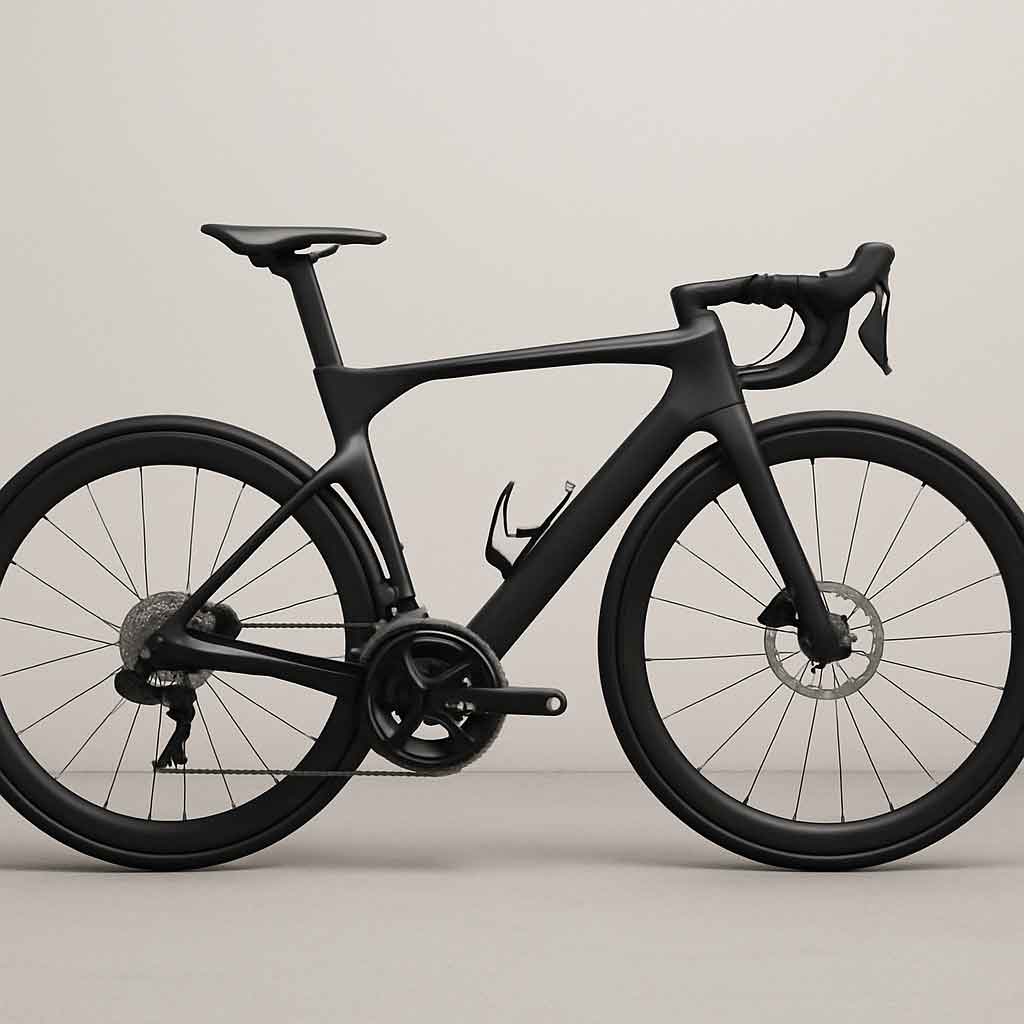
The push-back from the wind that you feel is what designers call “drag.” A traditional bike frame with its round tubes presents a lot of flat surfaces to the wind, creating drag that literally pulls the rider backward. An aerodynamic frame is designed to be slippery and efficient, slicing through the air with ease.
To achieve this, designers reshape the frame’s tubes from simple circles into long, teardrop-like profiles, similar to an airplane's wing. This sculpted shape guides airflow smoothly around the frame instead of letting it crash and swirl into a messy, turbulent wake. The air separates cleanly at the front and rejoins neatly at the back, drastically reducing that 'pull'. Designers perfect these forms through extensive wind tunnel testing for bicycles, meticulously refining every surface to find the most efficient path through the air.
So, how much difference does an aero frame make? The core of aerodynamic road bike frame benefits isn't just about a higher top speed; it's about saving energy. By minimizing the effort spent fighting the air, a rider can go faster for the same amount of work, or feel noticeably less tired at the end of a long day. But creating these complex, wing-like shapes from metal without making the bike heavy or weak is a huge challenge. To truly cheat the wind, builders had to turn to a different kind of material altogether.
Carbon Fiber: The Magic Material That Makes These Shapes Possible
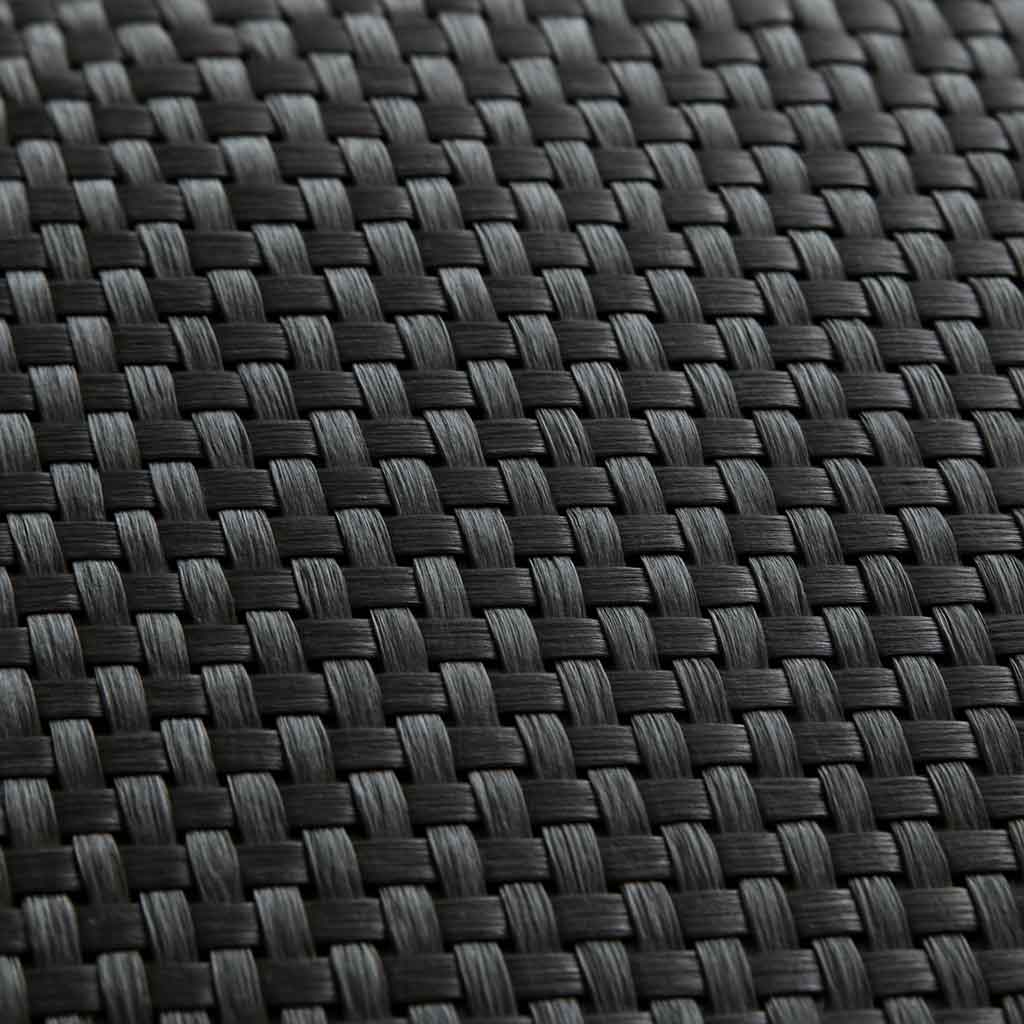
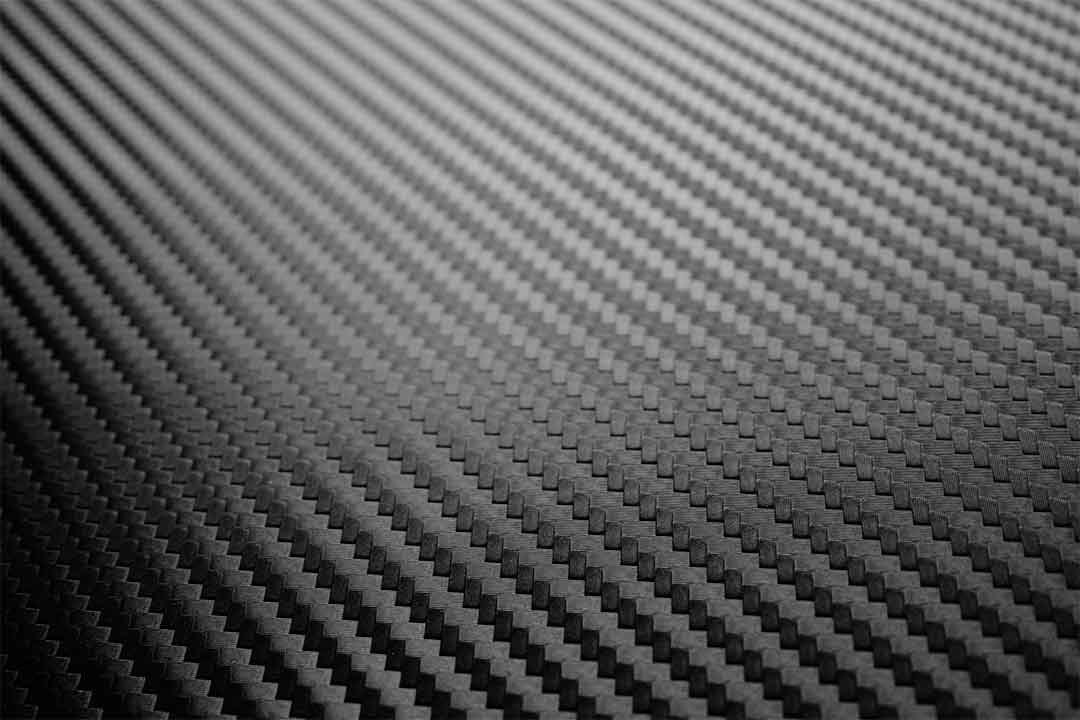
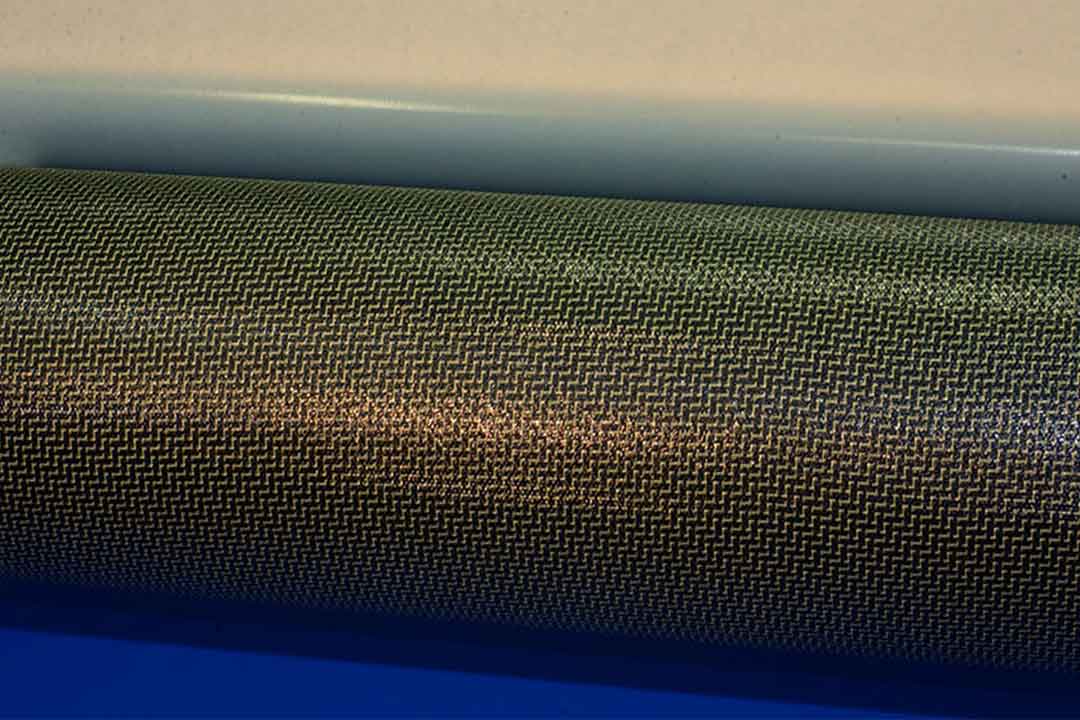
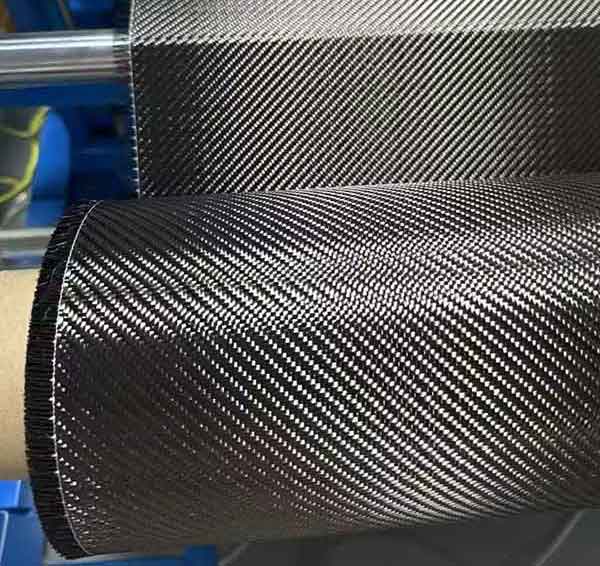
While metal tubes can be bent and welded, creating the complex, wing-like shapes needed for top-tier aerodynamics is incredibly difficult. This is where the real magic behind a modern carbon aero road bike frame comes in: the material itself. Forget thinking of it as a type of metal. Instead, picture carbon fiber as a high-tech fabric, woven from threads thinner than a human hair but with incredible strength.
This fabric-like nature is the key. To build a frame, workers lay these flexible carbon sheets into a precisely shaped mold—much like using papier-mâché, but on an engineering level. They then infuse the layers with a strong epoxy resin and bake it all under pressure. This process, known as the carbon fiber layup for bikes, allows designers to form any shape imaginable, from sharp, trailing edges to smooth, flowing curves that guide the air perfectly. It’s this complete freedom of form that metal simply can’t match.
The result is a structure that achieves the holy trinity of performance: it’s aerodynamically sculpted, immensely strong, and shockingly light. By arranging the direction of the carbon fabric, engineers can even make the frame stiff and efficient for pedaling while still absorbing road vibrations for a smoother ride. This unique ability to be molded into a wind-cheating shape without a weight penalty is what makes carbon fiber the essential ingredient for today's fastest bikes. With the material sorted, designers could then focus on perfecting the exact geometry of speed.
The Shape of Speed: Why Aero Tubes Look Like Chopped-Off Teardrops
If you want to design something to slice through the air with minimum effort, nature already has the perfect model: the teardrop. Its rounded front and long, tapering tail allow air to flow smoothly around it with almost no turbulence. For a long time, designers believed the tubes on a bike frame should mimic this shape as closely as possible to reduce drag. But if you look closely at a modern aero bike, you’ll notice something odd—it looks like the back of the teardrop has been cleanly chopped off.
This isn’t a mistake; it's a brilliant engineering trick. A full, long teardrop shape on a bike frame would be heavy and difficult to control in a crosswind, like trying to steer a kite. It would also break the rules set for professional racing, which limit the size and dimensions of frame tubes. Designers needed a way to get the aerodynamic benefit of the teardrop without the downsides of weight and unwieldy size.
The solution is a shape called a Kammtail, or a truncated airfoil. By slicing off the tail, engineers created a profile that is lighter, stiffer, and more stable. The real genius is how the air behaves. Air flowing over the Kammtail acts as if the missing tail is still there, creating a "virtual" tail that keeps the airflow smooth. You get almost all the wind-cheating performance of a full teardrop in a compact, practical, and rule-abiding package. This clever compromise is a cornerstone of modern aero bike frame geometry. But speed isn’t the only goal.
More Than Speed: The Balancing Act Between Stiffness and Comfort
A slippery shape is only part of the equation for a fast bike. Imagine pushing off a flexible diving board—much of your energy is absorbed by the board's bend before you even leave the platform. A bike frame faces a similar challenge. When a rider stomps on the pedals, they want all of that effort to shoot the bike forward, not get wasted by twisting or flexing the frame. This resistance to bending is called frame stiffness, and it’s crucial for that instant, snappy acceleration you see in a race. A stiff frame feels responsive and efficient, turning raw power directly into speed.
But if a frame were completely rigid, like a solid block of steel, riding it on a real-world road would be punishing. You would feel every tiny crack and bump jarring its way straight up your spine. This is why designers must also build in comfort, or what engineers call "compliance." A comfortable frame has just enough engineered flex in the right places to act like a mini-suspension system, absorbing road vibrations before they reach the rider. This not only makes for a smoother ride but also reduces fatigue, allowing a cyclist to stay fresh and powerful for longer.
This is where the true genius of carbon fiber comes into play. Because it’s not a solid material but a fabric made of tiny threads, engineers can control its properties with incredible precision. Think of it like wood, which is strong along the grain but splits easily across it. By layering hundreds of individual carbon sheets, designers can orient the "grain" to create a frame that is incredibly stiff and strong around the pedals but more flexible and vibration-damping in the areas that support the rider's seat. This ability to tune stiffness and comfort independently in the same structure is what makes carbon fiber the perfect material for a high-performance bike.
Hiding from the Wind: How Tucked-In Cables Make a Big Difference
If you picture a classic ten-speed bike, you might remember a nest of black cables for the brakes and gears looping around the handlebars. While they seem insignificant, at racing speeds these round wires create a surprising amount of turbulence and drag. Think of the difference between a modern jetliner and an old biplane covered in support wires and struts—all those small, exposed parts add up, forcing the engine (or in this case, the rider) to work harder just to push through the air.
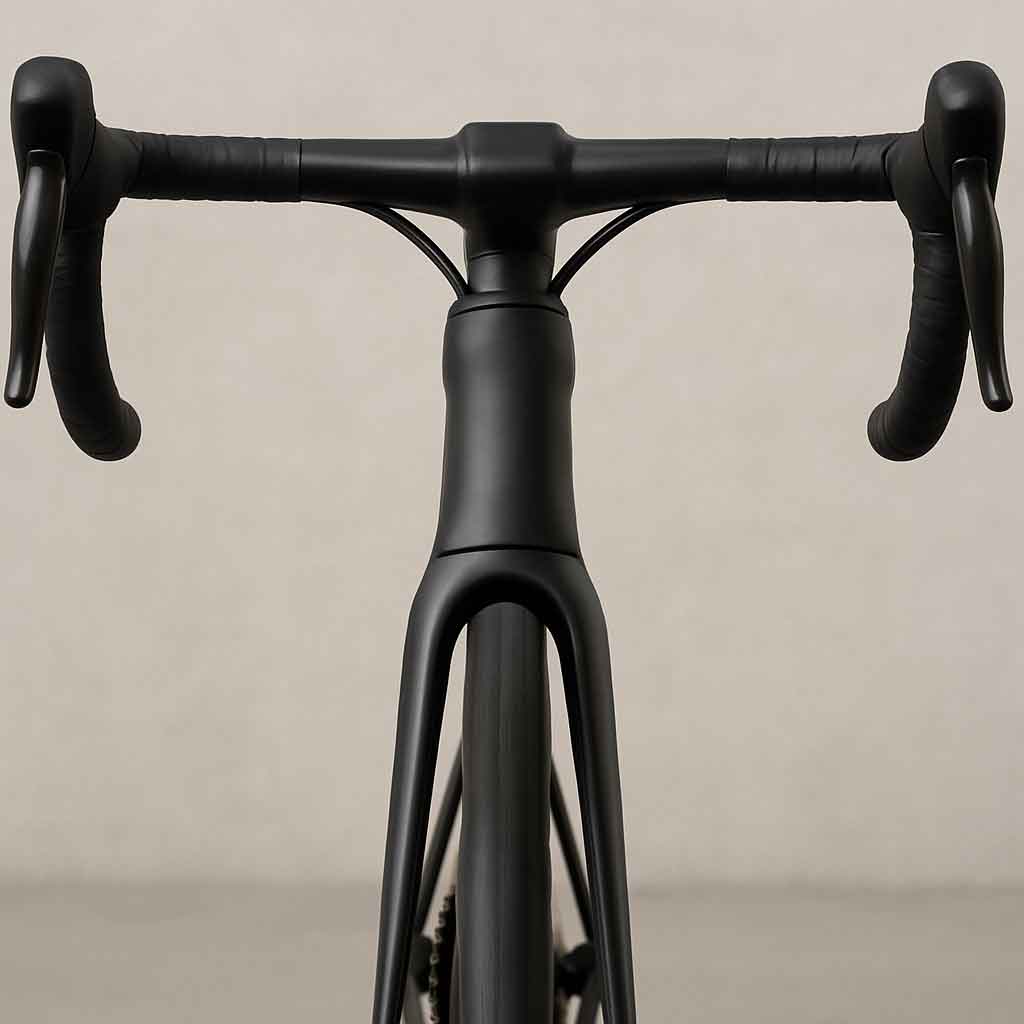
To solve this, designers came up with a clever solution: internal cable routing. As the name suggests, this is the practice of tucking all those essential cables completely inside the hollow tubes of the bike’s handlebars and frame. The result is an incredibly clean and sleek front end, where air can flow smoothly over the surfaces without getting snagged or disrupted. For the rider, this clean airflow translates directly into "free speed," reducing the effort needed to cut through the wind.
This meticulous attention to detail is a hallmark of a modern aero bike. It’s no longer just about the shape of the main tubes, but about treating the entire bicycle as a single, slippery system. By combining an aerodynamic frame with fully hidden cables, designers can minimize drag from every possible angle.
Aero vs. Lightweight: Which One Matters More?
This obsessive focus on cheating the wind, however, often raises a classic debate in the world of bike design: Which is better, a frame that’s incredibly light or one that’s incredibly slippery through the air? It’s essentially a battle between two invisible forces every rider must overcome: gravity and wind resistance. The answer depends entirely on where you’re riding.
On a flat road or gently rolling hills, your biggest enemy is the air. Just like trying to run through waist-deep water, the air constantly pushes back on you, and the faster you go, the harder it pushes. In this situation, an aero frame provides a massive advantage. Its carefully shaped tubes part the air with minimal effort, allowing more of your pedaling energy to be converted into forward speed. A small weight penalty is a tiny price to pay for the huge benefit of cheating the wind mile after mile.
Now, imagine you’re at the bottom of a very steep mountain road. Your speed plummets, and the fight against wind resistance becomes much less significant. Suddenly, your main opponent is gravity. Every pedal stroke is dedicated to lifting the combined weight of you and your bike upwards. Here, a lightweight frame shines. Shaving off every possible ounce makes the bike feel more responsive and noticeably easier to pedal uphill. For most riders who aren't exclusively tackling steep mountain passes, however, the all-around speed advantage of an aerodynamic frame makes it the more effective tool.
What to Look For: How to Spot an Aero Bike in the Wild
By now, the unique look of a high-performance road bike is no longer abstract art but a practical solution to the invisible problem of wind resistance. Its shape isn't just for style—it’s a deliberate design, made possible by carbon fiber, sculpted to turn a rider’s effort into pure speed.
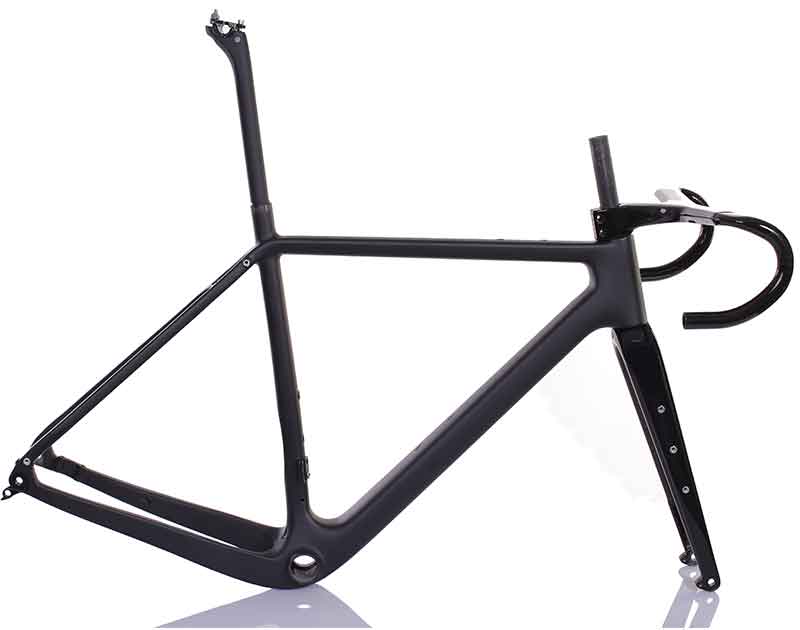
Here is a visual guide to the key features of aero bike frame geometry:
- Deep, sculpted frame tubes that look more like wings than simple, round pipes.
- Hidden cables that disappear directly into the frame instead of hanging in the wind.
- A tight fit where the wheels tuck closely into the frame’s curves to smooth the airflow.
The next time you see the Tour de France on TV or a sleek race bike at a coffee shop, you won’t just see an expensive bicycle. You'll see the science of speed made visible, and you'll know exactly why it looks the way it does.






 Jack Ding

