Welcome to Mondince Bike - A well-known factory specialized in produce carbon bike frame and other parts since 2007.


Understanding Mountain Bike Frame Measurements
Enhancing Riding Efficiency
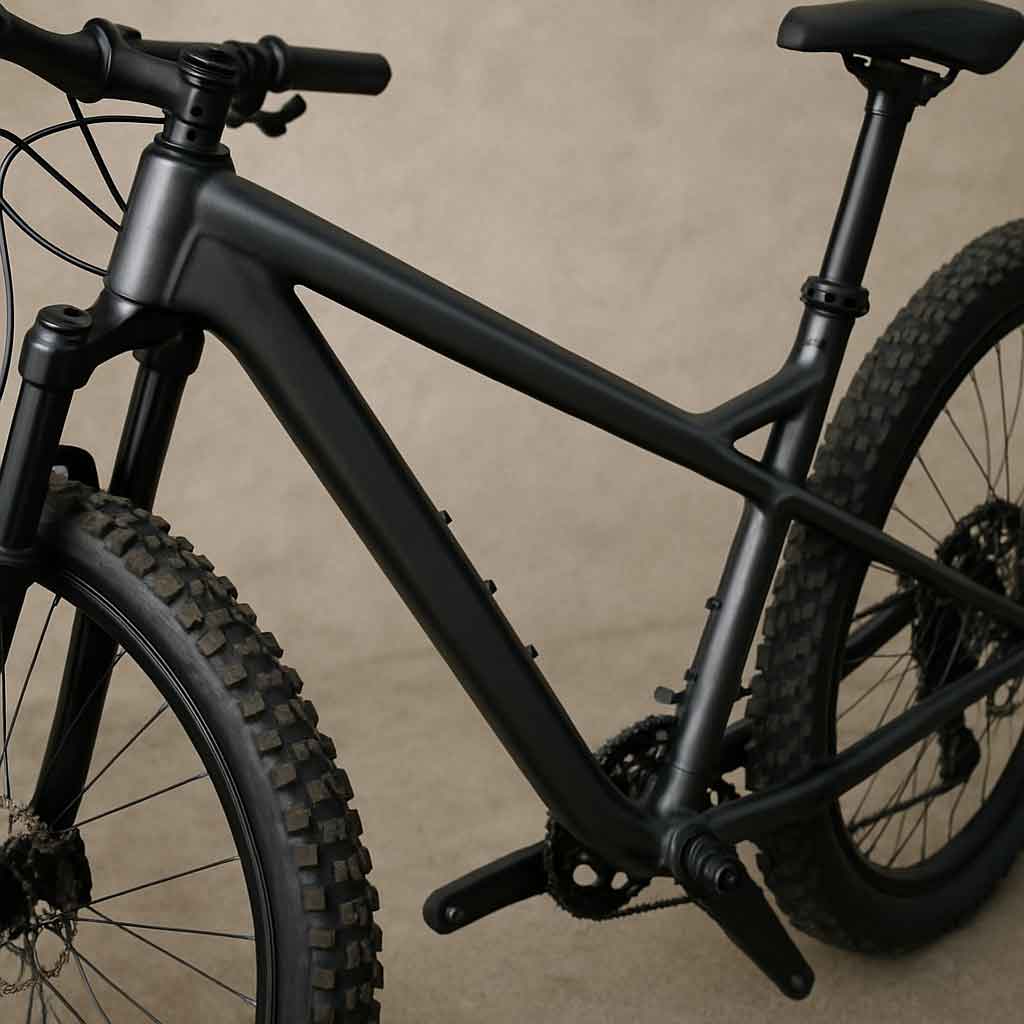
The frame size of a mountain bike directly impacts your riding efficiency. A well-fitted bike ensures that the power you generate is effectively transferred from your legs to the pedals, maximizing your energy output. This efficiency is essential for tackling challenging trails and maintaining speed over long distances. When your frame size matches your body, you can ride longer with less fatigue.
Improving Handling and Control
Proper frame size enhances your ability to handle the bike effectively. When the bike fits well, it responds predictably to your inputs, whether you’re navigating tight corners or descending steep hills. This control is crucial for maintaining balance and confidence on varied terrains. With the right frame size, you can maneuver with precision, avoiding obstacles and optimizing your trail experience.
Reducing the Risk of Injury
An ill-fitting bike can lead to discomfort and increase the risk of injury. A frame that is too large or too small can cause strain on your back, neck, and joints, leading to chronic pain or acute injuries. Ensuring the correct frame size helps maintain proper posture, reducing stress on your body and allowing you to focus on the ride rather than pain management. Prioritizing frame size is a proactive step towards injury prevention.
Measuring Mountain Bike Frames
Understanding Frame Measurements
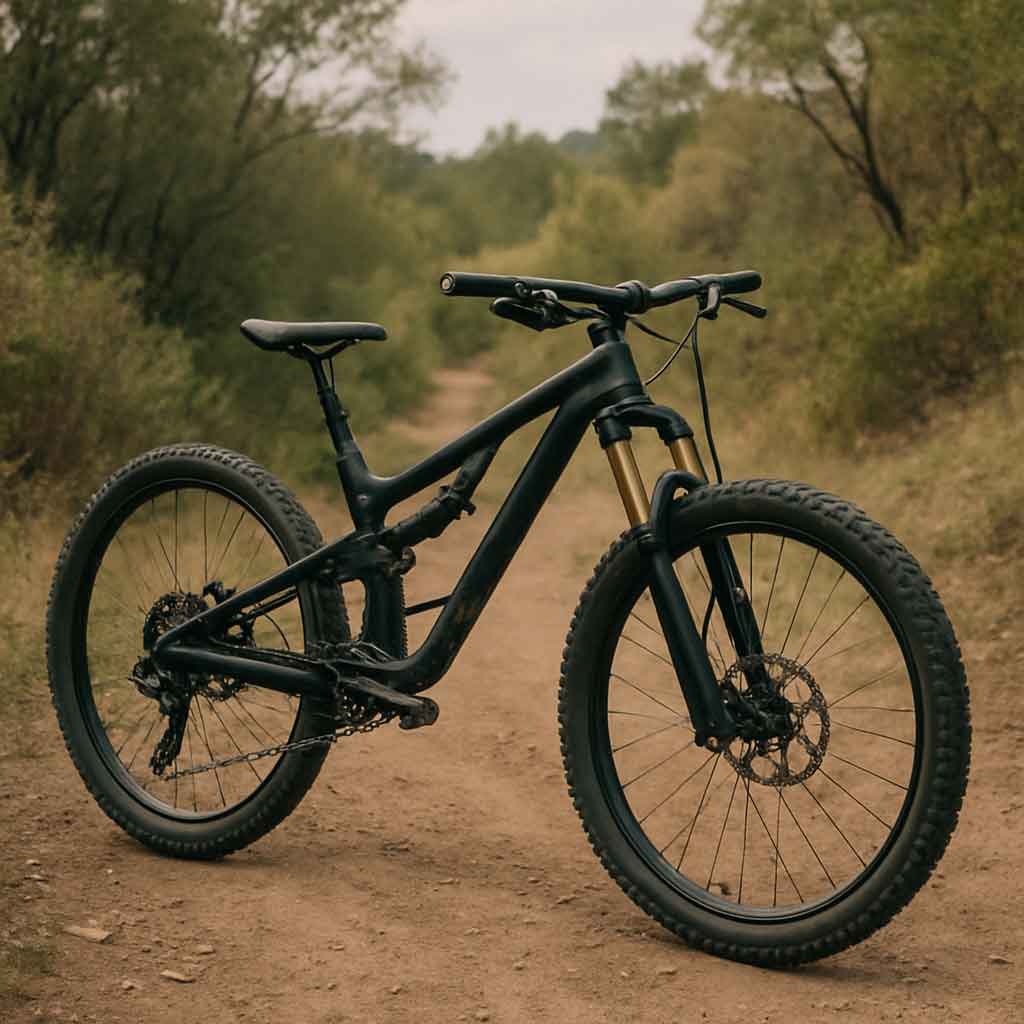
Mountain bike frames are typically measured in inches and refer to the length of the seat tube from the center of the bottom bracket to the top of the seat tube. Common sizes include 13, 15, 17, 19, 21, and 23 inches. It's essential to note that sizing can vary between manufacturers, so always check their specific sizing charts.
The Role of Seat Tube Length
The seat tube length is a key measurement that influences how comfortably you can sit on the bike. This length determines the height of the bike and how easily you can mount and dismount. Riders need a seat tube length that allows for efficient pedaling without overextending the legs. Different manufacturers may have slight variations, so it’s crucial to refer to brand-specific charts for accuracy.
Comparing Different Frame Sizes
When comparing frame sizes, it's important to understand the implications of each size on riding style and comfort. A smaller frame may offer more agility and better control in technical situations, while a larger frame might provide stability at high speeds. Understanding these differences helps in making a choice that aligns with your riding needs and preferences.
The Influence of Manufacturer Variability
Manufacturers often have different approaches to sizing and geometry, which means a medium frame from one brand might not fit the same as a medium from another. This variability can impact your choice, making it essential to try different brands or consult detailed sizing guides. Understanding these nuances helps you find a frame that fits perfectly regardless of brand.
Determining the Right Frame Size
To find the correct frame size for your mountain bike, consider the following steps:
Measuring Stand-Over Height
- Stand-Over Height: Measure the distance from the ground to your inseam while standing over the bike. There should be a 2-3 inch clearance between the top tube and your crotch. This measurement ensures that you can safely dismount the bike in emergency situations or when stopping suddenly.
Evaluating Reach and Stack
- Reach and Stack: These measurements determine how stretched out or upright you'll be on the bike. Reach is the horizontal distance from the bottom bracket to the top of the head tube, while stack is the vertical distance from the bottom bracket to the top of the head tube. These dimensions influence your riding posture and comfort over extended periods.
Consulting a Sizing Chart
- Consult a Sizing Chart: Use a mountain bike sizing chart that matches your measurements with recommended frame sizes. Keep in mind that personal preference and riding style can also influence your choice. These charts provide a helpful starting point, but trying different bikes is key to finding the best fit.
Wheel Size Considerations
Common Wheel Sizes
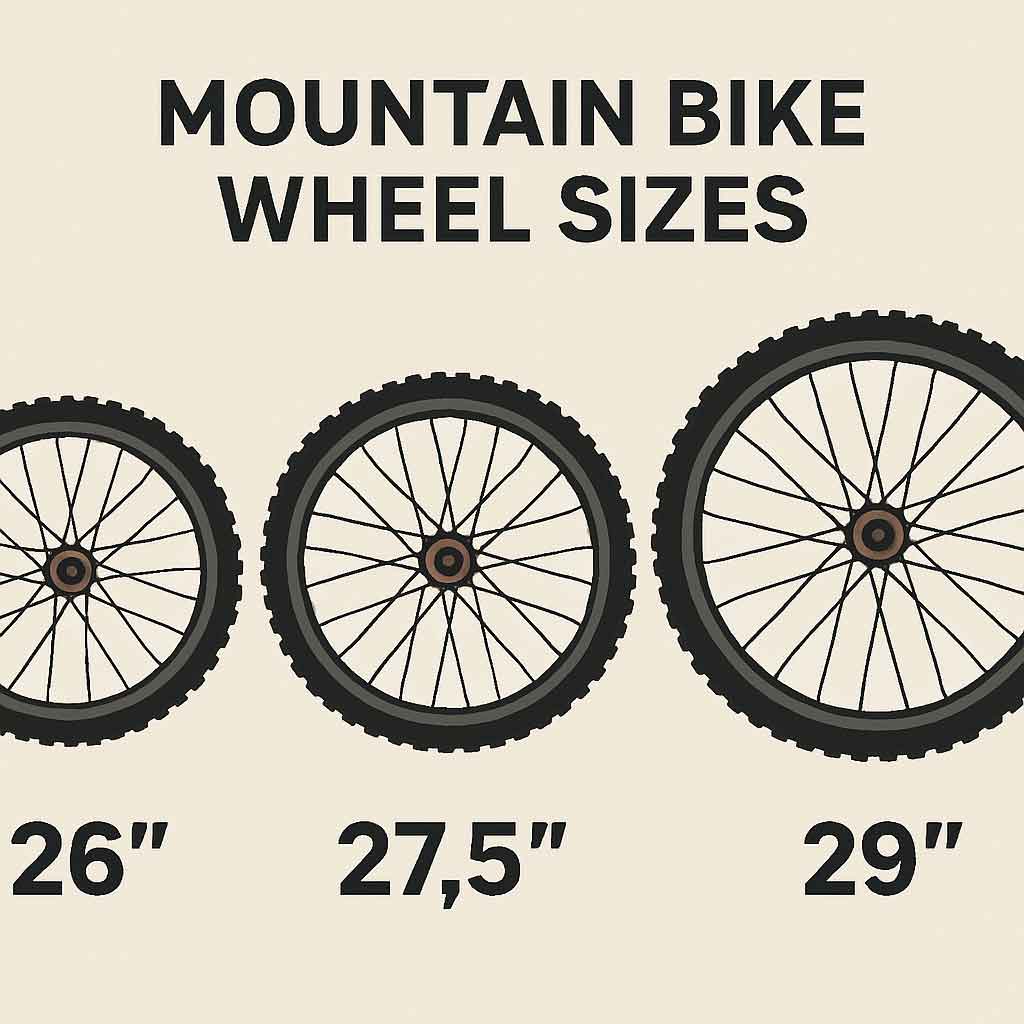
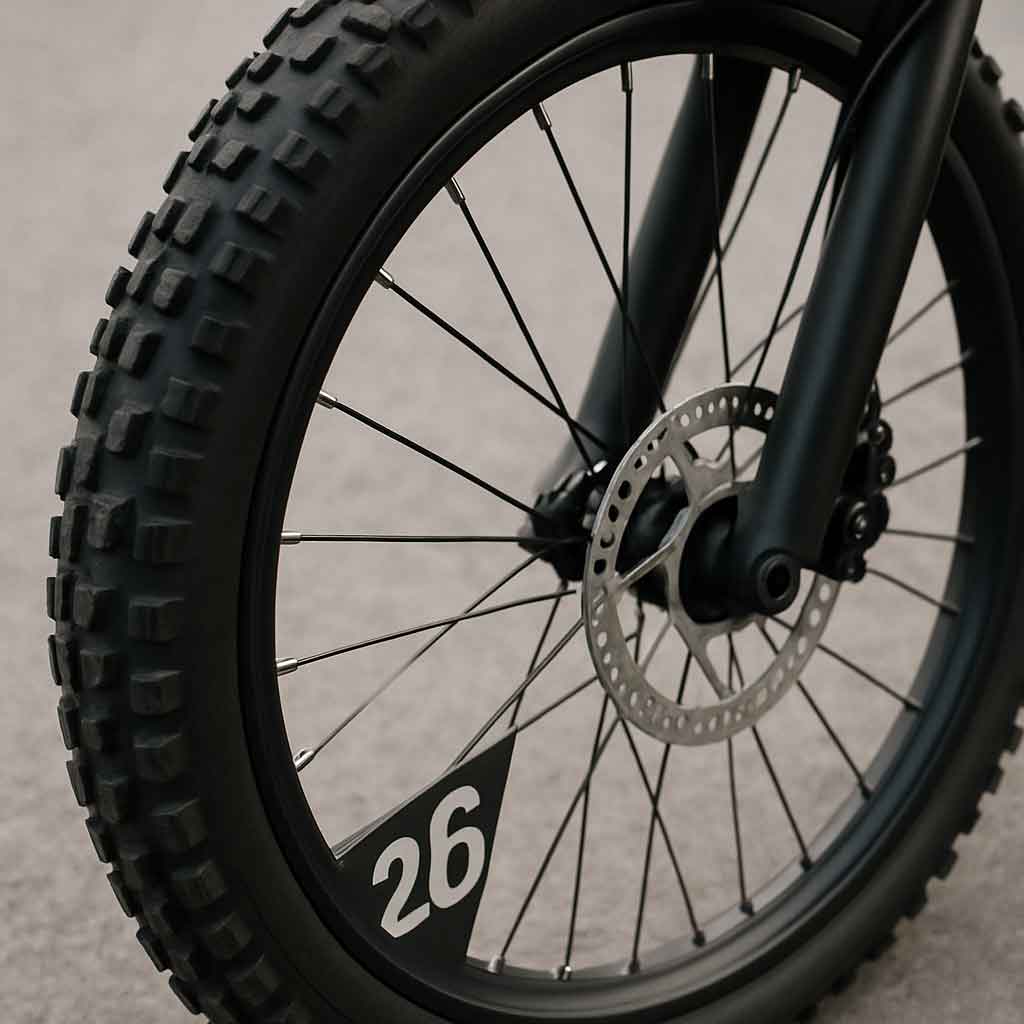
Mountain bikes typically come with 26-inch, 27.5-inch, or 29-inch wheels. Each wheel size has its pros and cons:
Characteristics of 26-Inch Wheels
- 26-inch wheels: These are lighter and more agile, suitable for technical trails. They allow for quick acceleration and are easier to handle on sharp turns. Riders who favor technical terrains often prefer these wheels for their responsive nature.
The Balance of 27.5-Inch Wheels
- 27.5-inch wheels: Offer a balance between speed and maneuverability, ideal for varied terrains. They combine the agility of 26-inch wheels with some of the rolling advantages of 29-inch wheels, making them a versatile choice for many riders.
Advantages of 29-Inch Wheels
- 29-inch wheels: Provide better traction and roll over obstacles easily, best for long rides and rough trails. These wheels maintain momentum well, making them ideal for riders focused on endurance and overcoming challenging obstacles.
How Wheel Size Affects Frame Size
Impact on Frame Geometry
The wheel size can influence the frame's geometry. For instance, a bike with 29-inch wheels may have a longer frame to accommodate the larger diameter. This affects the bike's overall length and handling. The geometry changes necessitate a specific approach to frame sizing, as the larger wheels can alter how the bike fits and performs.
Influence on Overall Bike Length
The size of the wheels directly impacts the bike's overall length, affecting maneuverability and stability. Larger wheels typically result in a longer bike, which can be more stable at high speeds but less nimble in tight spaces. Understanding this trade-off is crucial when choosing a bike for specific riding conditions.
Considerations for Riding Style and Terrain
When choosing a frame size, consider how the wheel size will impact your riding style and terrain preferences. Wheel size should complement your intended use, whether you're tackling tight, technical trails or cruising long, open paths. Your choice of wheel and frame size should align with your riding goals.
Frame Size for Different Heights
Small Mountain Bike Frames
Ideal Fit for Shorter Riders
A mountain bike size small is typically suitable for riders who are 5'2" to 5'6" tall. These frames usually range from 13 to 15 inches. Riders in this height range should prioritize stand-over height and reach to ensure a comfortable fit. A correctly sized small frame enhances control and reduces the risk of overreaching or straining.
Prioritizing Comfortable Stand-Over and Reach
For shorter riders, ensuring that the stand-over height and reach are optimal is crucial. This involves checking that there is adequate clearance and that the handlebars are within comfortable reach, preventing overextension during rides. Proper adjustment of these factors can significantly improve riding comfort and control.
Selecting the Right Components
Smaller frames might require adjustments in components like handlebars and seat posts to better fit the rider's proportions. Customizing these elements can make a significant difference in achieving a perfect fit. Riders should consider components that offer adjustability to accommodate their specific needs.
Medium to Large Mountain Bike Frames
Finding the Perfect Medium Frame
Medium frames, generally 17 to 19 inches, fit riders between 5'6" and 5'10". Riders in this range need to focus on ensuring their posture is balanced and that their weight is evenly distributed. This balance is key for maintaining comfort and control, especially during longer rides.
Suitability of Large Frames for Taller Riders
Large frames, around 21 inches, are designed for those who are 5'10" to 6'2". These frames offer the space necessary for taller riders to maintain an efficient pedaling stance. Ensuring the frame accommodates the rider’s height helps prevent strain and enhances overall riding experience.
Considerations for Extra-Large Frames
Riders above 6'2" might consider extra-large frames, which are 23 inches or more. These frames provide the additional height and reach necessary for taller riders to ride comfortably. Choosing an extra-large frame can prevent common issues such as back pain or knee strain that occur with smaller frames.
Hybrid and Other Frame Sizes
Understanding Hybrid Bike Sizing
Hybrid bikes often use a different sizing system, blending road and mountain bike features. The hybrid frame size chart can help determine the right fit, usually based on leg inseam measurements. These bikes are versatile, often used for both commuting and light trail riding, necessitating a unique approach to sizing.
Conversion Between Measurement Units
These charts often recommend sizes in centimeters, so be prepared to convert inches to centimeters if needed. Understanding the conversion is crucial for making informed decisions, especially when considering brands that use different units of measurement. Accurate conversion ensures that the bike fits well regardless of the measurement system used.
Customizing Hybrid Bikes for Comfort
Hybrid bikes can often be customized with different components to better suit individual preferences. Adjustments to elements like the handlebars or saddle can enhance comfort and performance. Riders should explore customization options to optimize their hybrid bike experience.
How to Measure Your Mountain Bike Frame
Step-by-Step Measurement Guide
Measuring the Seat Tube Length
- Measure the Seat Tube Length: Use a tape measure to find the length from the center of the bottom bracket to the top of the seat tube. This measurement is foundational for determining overall bike size and ensuring a good fit.
Checking the Top Tube Length
- Check the Top Tube Length: Measure from the center of the seat tube to the center of the head tube. This distance affects how the bike handles and how comfortable it is during rides. Accurate measurement here ensures the bike feels balanced and responsive.
Assessing the Stand-Over Height
- Assess the Stand-Over Height: Stand over the bike and measure the clearance between the top tube and your inseam. This clearance is crucial for safety, allowing you to dismount quickly and easily when necessary.
Determining Reach and Stack
- Determine Reach and Stack: These measurements help find the right fit based on your torso length and arm reach. Properly assessing reach and stack ensures that your riding posture is both efficient and comfortable.
Adjusting for Personal Preference
Tailoring the Bike Fit to Your Style
While measurements provide a baseline, personal comfort should not be overlooked. Test ride different sizes and brands to find what feels best. Consider your riding style—whether you prefer a more aggressive or relaxed position—and adjust accordingly. Your personal preferences should guide final adjustments to ensure the best riding experience.
The Importance of Test Riding
Test riding is essential to understanding how different frame sizes and geometries feel in practice. It allows you to evaluate comfort and performance firsthand, ensuring the bike meets your needs. Don't hesitate to try several options before making a decision.
Making Final Adjustments
After selecting a frame size, make final adjustments to the seat height, handlebar position, and other components. These tweaks can fine-tune your bike fit, enhancing comfort and performance. Regularly revisiting these adjustments ensures your bike continues to meet your evolving needs.
FAQs About Mountain Bike Frame Sizes
What Size MTB Frame Do I Need?
Starting with a Sizing Chart
Your ideal MTB frame size depends on your height, inseam, and riding style. Use a sizing chart as a starting point and adjust based on personal preference. Charts provide a useful guide but should be complemented by personal testing.
Considering Riding Style
Consider how your riding style might influence your frame size choice. Aggressive riders might prefer a smaller frame for maneuverability, while long-distance riders might opt for a larger frame for stability. Your style plays a critical role in determining the best frame size.
Adjusting Based on Comfort
Ultimately, comfort should guide your choice. Even if a size seems right on paper, ensure it feels comfortable during test rides. Comfort is key to enjoying your mountain biking experience.
How Long is a Bike with 29 Inch Wheels?
Understanding Wheelbase Length
A bike with 29-inch wheels typically has a longer wheelbase, which can vary by model. This added length provides stability but may affect maneuverability on tight trails. The longer wheelbase enhances control on open trails but requires adaptation in technical sections.
Balancing Stability and Maneuverability
Riders need to balance the benefits of stability with potential maneuverability challenges. While 29-inch wheels offer great traction and roll-over capabilities, they might require more effort in tight turns. Consider your typical riding conditions when evaluating this trade-off.
Evaluating Model-Specific Variations
Different bike models may have unique geometries that affect wheelbase length. It’s important to test ride various models to see how these differences impact handling. Understanding these variations ensures you find a bike that fits your riding style.
How Do You Measure the Size of a Mountain Bike?
Key Measurement Techniques
Measure the seat tube length from the bottom bracket to the top of the seat tube, check the stand-over height, and consider reach and stack for a comprehensive understanding. These measurements together form a complete picture of bike size and fit.
Importance of Accurate Measurement
Accurate measurement is crucial for finding the right bike size. Small inaccuracies can lead to discomfort and reduced performance. Taking precise measurements ensures you select a bike that fits well and enhances your riding experience.
Utilizing Professional Tools
Consider using professional tools or consulting a bike shop for precise measurements. Expert guidance can help ensure accuracy and provide additional insights into fit and comfort. Professionals can also offer advice on adjusting the bike to suit your needs.
What Size Mountain Bike Should I Get?
Using a Mountain Bike Size Guide
Refer to a mountain bike size guide, consider your measurements, and test ride different sizes to find the best fit for your body and riding style. Guides offer a helpful starting point, but personal testing is key to making a final decision.
Testing Different Frame Sizes
Test riding different frame sizes is crucial to finding the right fit. It allows you to experience how each size feels and performs in real-world conditions. Multiple test rides can reveal subtle differences that influence comfort and performance.
Finalizing Your Decision
After testing, finalize your decision based on comfort, performance, and personal preference. Choose the size that feels best and supports your riding goals. Your choice should enhance your enjoyment and capabilities on the trails.
Conclusion
Selecting the right mountain bike frame size involves understanding various measurements and how they relate to your body and riding preferences. By considering factors like frame and wheel size, stand-over height, and reach, you can find a bike that enhances your mountain biking experience. Always remember to test ride before purchasing to ensure the best fit and comfort on the trails. The right frame size is a foundational element of enjoyable and successful mountain biking, enabling you to tackle trails with confidence and ease.






 Jack Ding

