Welcome to Mondince Bike - A well-known factory specialized in produce carbon bike frame and other parts since 2007.


How to Properly Adjust Bicycle Chain Tension
Keeping your bicycle chain at the right tension is crucial for a smooth and efficient ride. Whether you're riding a fixed gear, single-speed, or multi-speed bike, a properly adjusted chain can make all the difference. In this guide, we'll walk you through the steps to adjust your bike's chain tension, ensuring your ride is both safe and enjoyable.
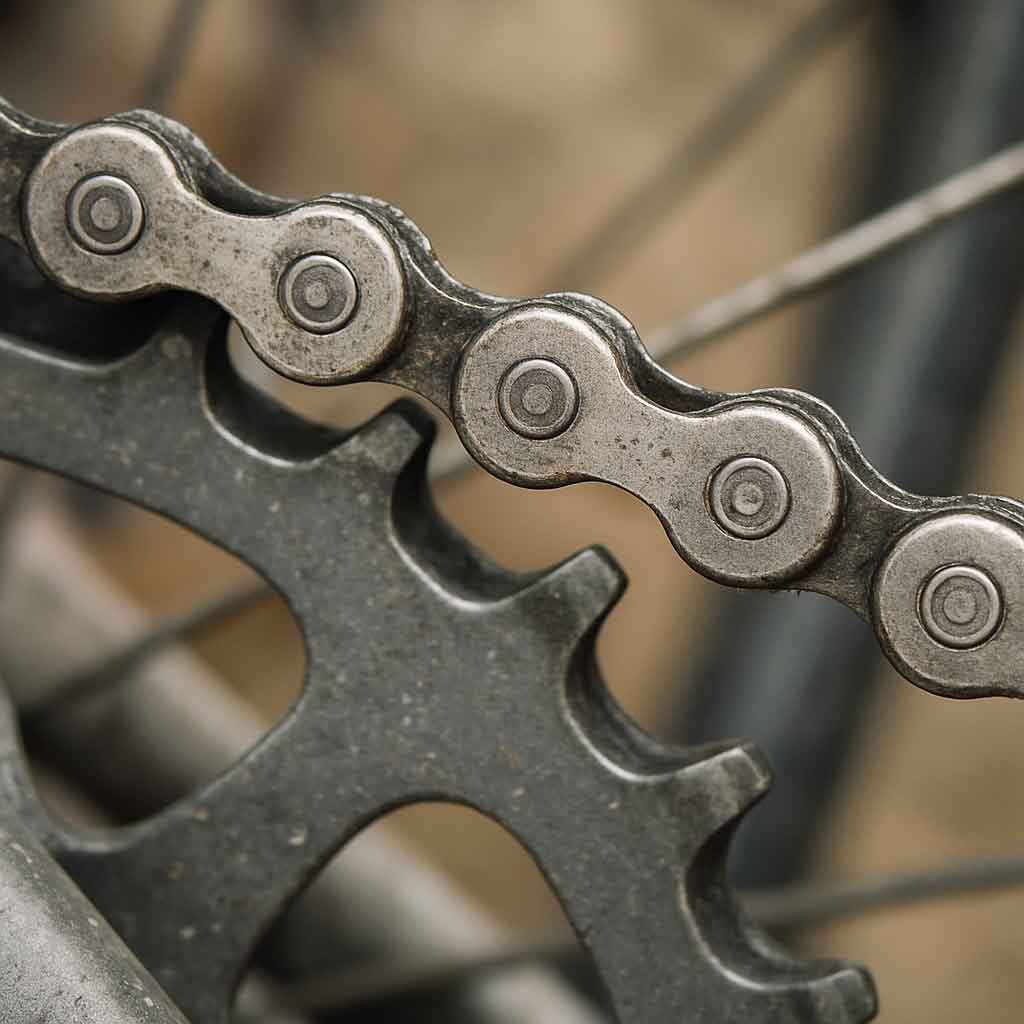
Before diving into the how-tos, it's important to understand why chain tension matters. A chain that's too loose can slip off the gears, leading to unexpected stops and potential accidents. On the other hand, a chain that's too tight can cause excessive wear on the bike's components, reducing their lifespan and potentially causing damage.
Common Signs Your Chain Needs Adjustment
- Frequent Slipping: If your chain frequently slips off the gear, it's a clear sign that it might be too loose.
- Noisy Chain: A noisy chain often indicates that it's too tight or not properly aligned.
- Visible Sagging: If the chain visibly sags between the gears, it's time for an adjustment.
Tools You Will Need
Before you begin adjusting the chain, gather the necessary tools. You'll typically need:
- A wrench or spanner (usually 15mm)
- A set of Allen keys
- A chain tool (for more advanced adjustments)
- Gloves (to keep your hands clean)
How to Adjust a Loose Bike Chain
Step 1: Flip the Bike
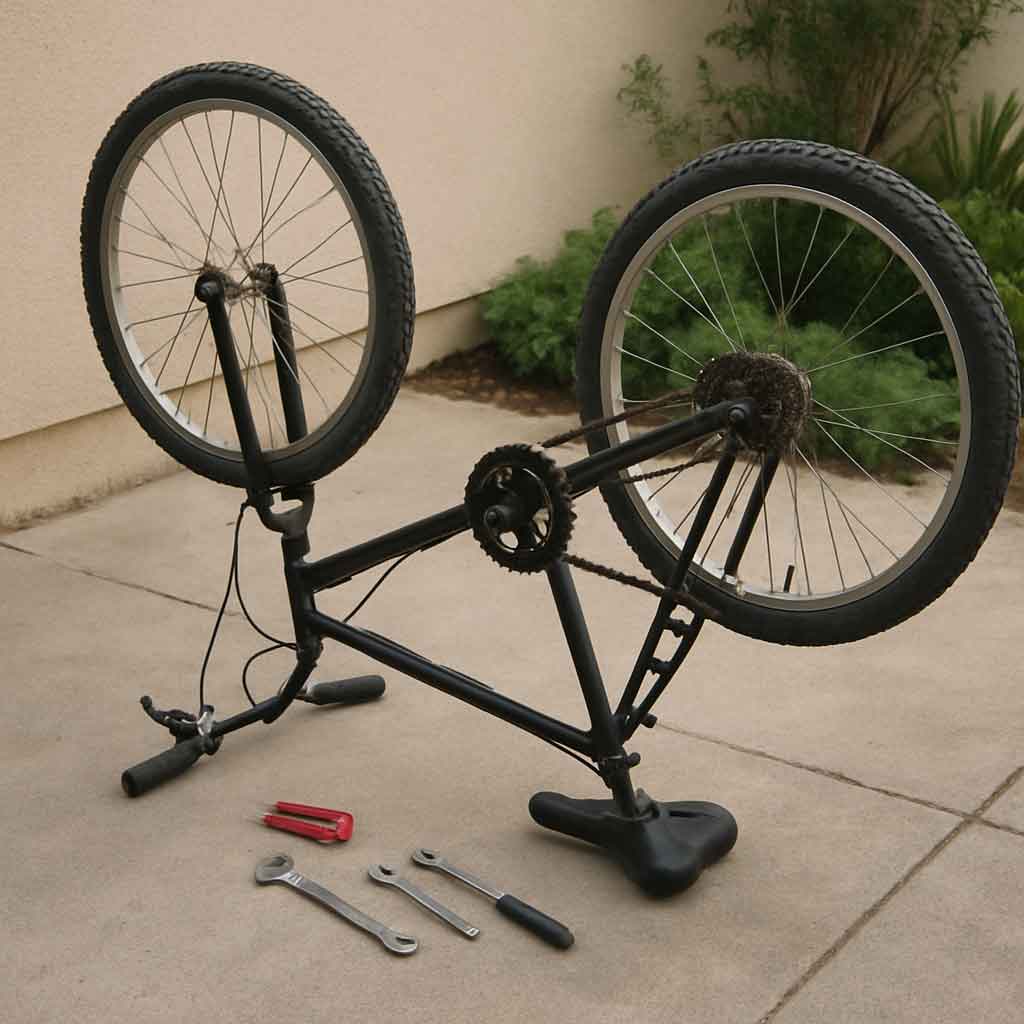
The first step in adjusting your bike chain is to flip your bike upside down. This position makes it easier to access the chain and the rear wheel. Make sure to place a cloth or pad under the seat and handlebars to prevent scratches.
Step 2: Loosen the Rear Wheel
Using your wrench, carefully loosen the nuts on both sides of the rear wheel axle. This will allow you to move the wheel forward or backward to adjust the tension. Be careful not to remove the nuts completely.
Step 3: Adjust the Chain Tension
To increase tension, gently pull the rear wheel backward, making sure it stays aligned with the frame. To decrease tension, push the wheel forward. As you adjust, ensure the wheel remains centered between the frame's rear dropouts.
Step 4: Tighten the Rear Wheel
Once you've adjusted the chain to the desired tension, tighten the axle nuts securely. Ensure the wheel is properly aligned and spins freely without rubbing against the frame or brakes.
Step 5: Test the Chain Tension
Check the chain tension by pressing down on it with your finger. The chain should have a slight give, moving about half an inch up and down. Too much movement indicates a loose chain, while no movement suggests the chain is too tight.
Special Considerations for Fixed Gear and Single-Speed Bikes
Fixed gear and single-speed bikes have a different setup compared to multi-speed bikes, which means the chain tension adjustment process can vary slightly.
Fixed Gear Chain Tension
For fixed gear bikes, the chain tension is critical as there are no derailleurs to take up slack. Follow the same steps as above, but pay extra attention to ensuring the wheel is perfectly aligned. A misaligned wheel can lead to uneven wear and potentially dangerous riding conditions.
Single-Speed Chain Tension
Single-speed bikes often use horizontal dropouts, making it easier to adjust chain tension. Simply slide the rear wheel within the dropouts to achieve the desired tension, then tighten the nuts securely.
Maintaining Your Bicycle Chain

by Kenny Eliason (https://unsplash.com/@heyquilia)
Proper maintenance can extend the life of your chain and improve your riding experience. Here are a few tips:
- Regular Cleaning: Keep your chain clean by wiping it down with a dry cloth and applying a suitable lubricant.
- Check for Wear: Over time, chains stretch and wear out. Regularly inspect your chain and replace it if you notice significant wear or damage.
- Lubrication: Use a high-quality bicycle chain lubricant to minimize friction and prevent rust. Avoid over-lubricating, as this can attract dirt and grime.
Troubleshooting Common Issues
Even with regular maintenance, you might encounter issues with your bike chain. Here are a few common problems and their solutions:
- Chain Keeps Slipping Off: If your chain frequently slips off, check the alignment of the rear wheel and ensure the chain is at the correct tension.
- Chain Feels Tight When Pedaling: A tight chain can make pedaling difficult. Loosen the rear wheel and adjust the tension as described above.
- Chain Makes Noise: A noisy chain often indicates it needs lubrication or is not properly aligned. Check both and make adjustments as needed.
Conclusion
Properly adjusting and maintaining your bicycle chain is essential for a safe and enjoyable ride. By following these steps, you can ensure your chain is at the right tension, reducing wear on your bike and minimizing the risk of accidents. Remember, regular maintenance is key to keeping your bike in top condition.
With these tips and a little practice, you'll be able to adjust your bike's chain tension like a pro. Happy cycling!








 Jack Ding

