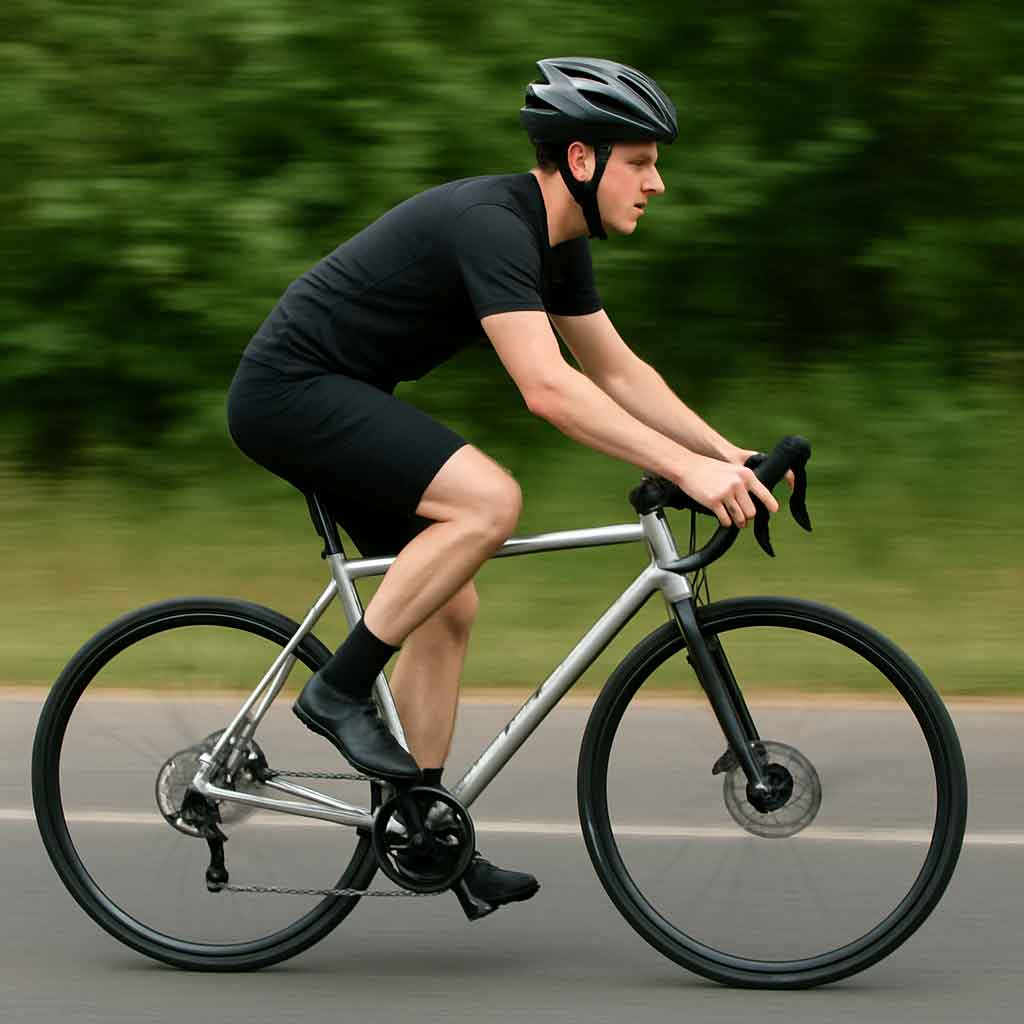

Choosing the right bike frame is crucial for any cyclist. A lightweight bike frame can make a significant difference in performance. It enhances speed, agility, and overall riding experience.
Lightweight frames are not just for professional cyclists. They benefit anyone who enjoys cycling, from amateurs to seasoned riders. The right frame can improve your ride, whether you're racing or commuting.
There are several materials to consider when choosing a lightweight bike frame. Aluminum, carbon, titanium, and steel each offer unique benefits. Understanding these materials helps in making an informed decision.
Aluminum bike frames are popular for their affordability and light weight. They are a great choice for entry-level and mid-range bikes. However, they can be less comfortable on rough terrain.
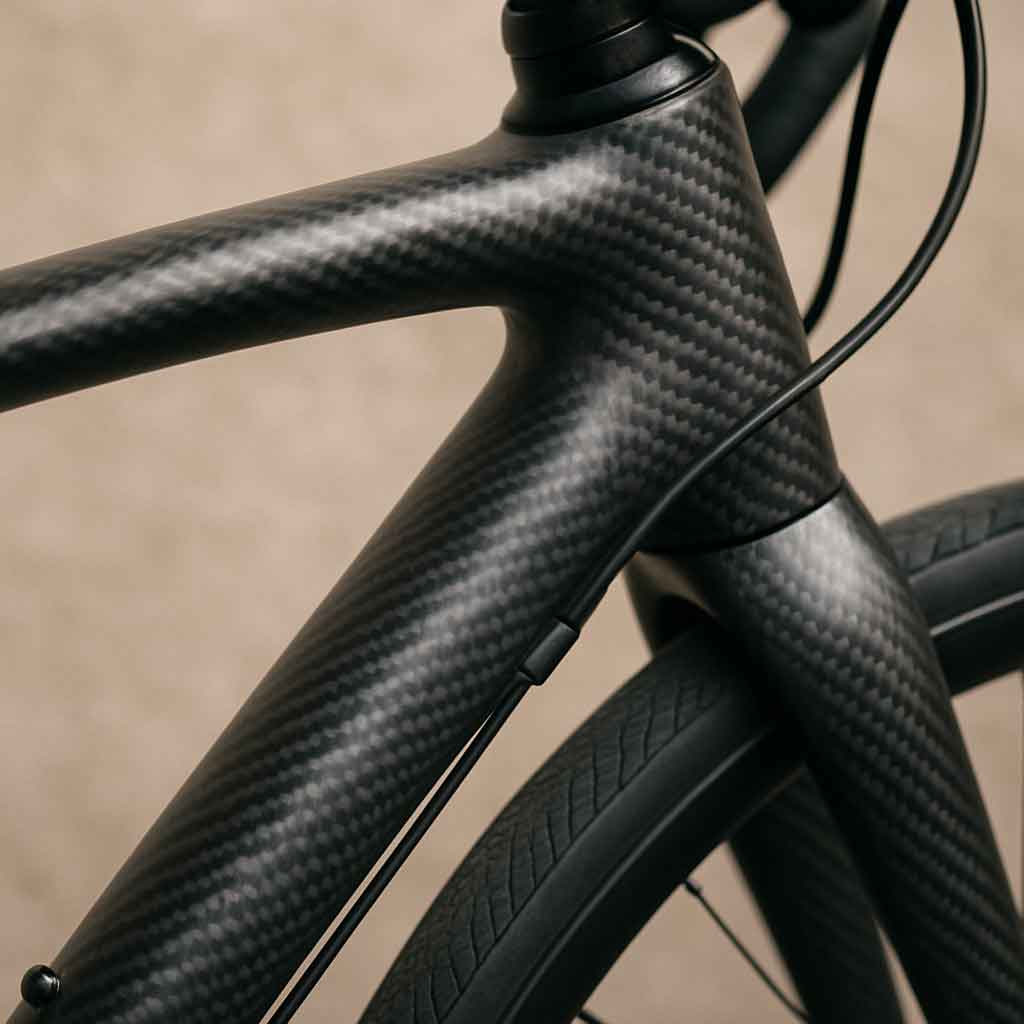
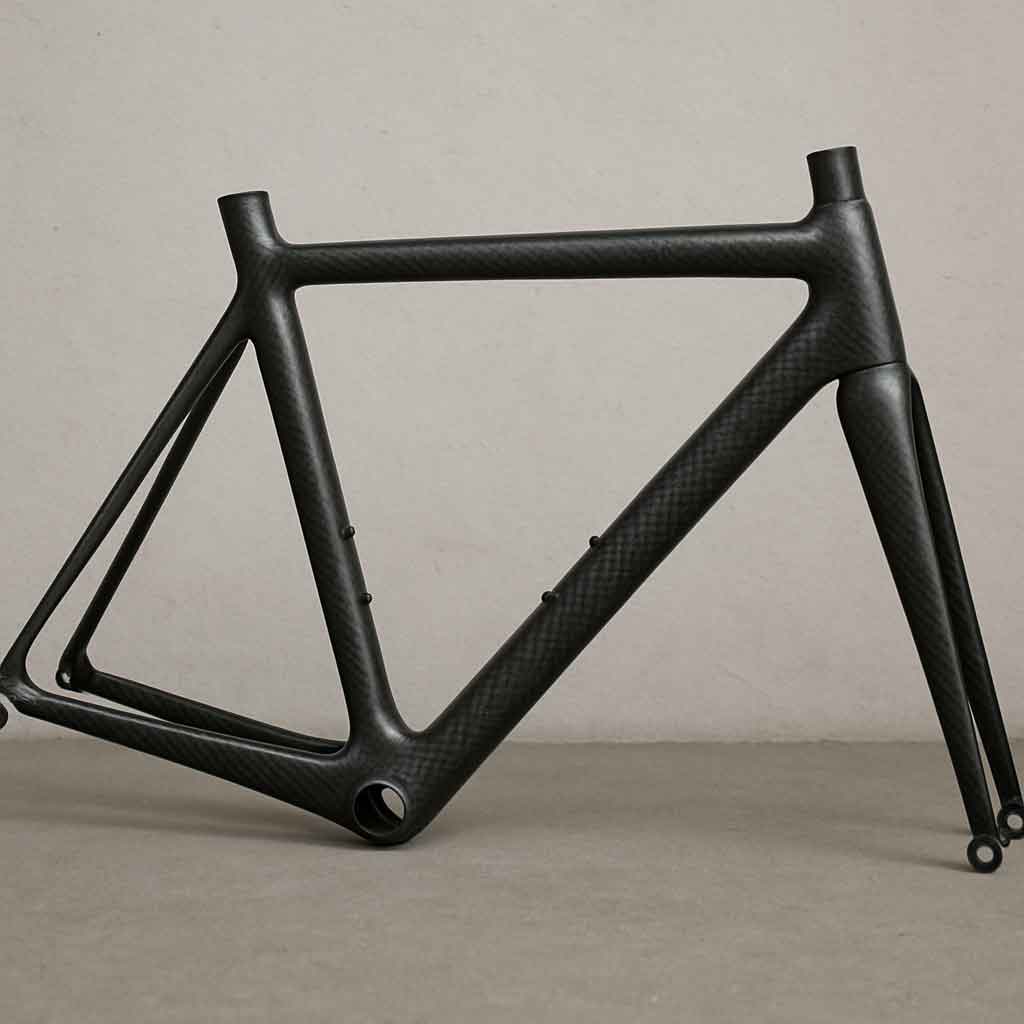
Carbon bike frames are known for their strength-to-weight ratio. They offer excellent vibration dampening, making them ideal for high-performance racing bikes. But they require careful maintenance to avoid damage.
Titanium frames provide a balance of light weight, durability, and comfort. They are often used in custom builds and long-distance cycling. However, they come with a higher price tag.
Steel frames are heavier but offer durability and a smooth ride. They are often used in touring and vintage bikes. Their classic look appeals to many cyclists.
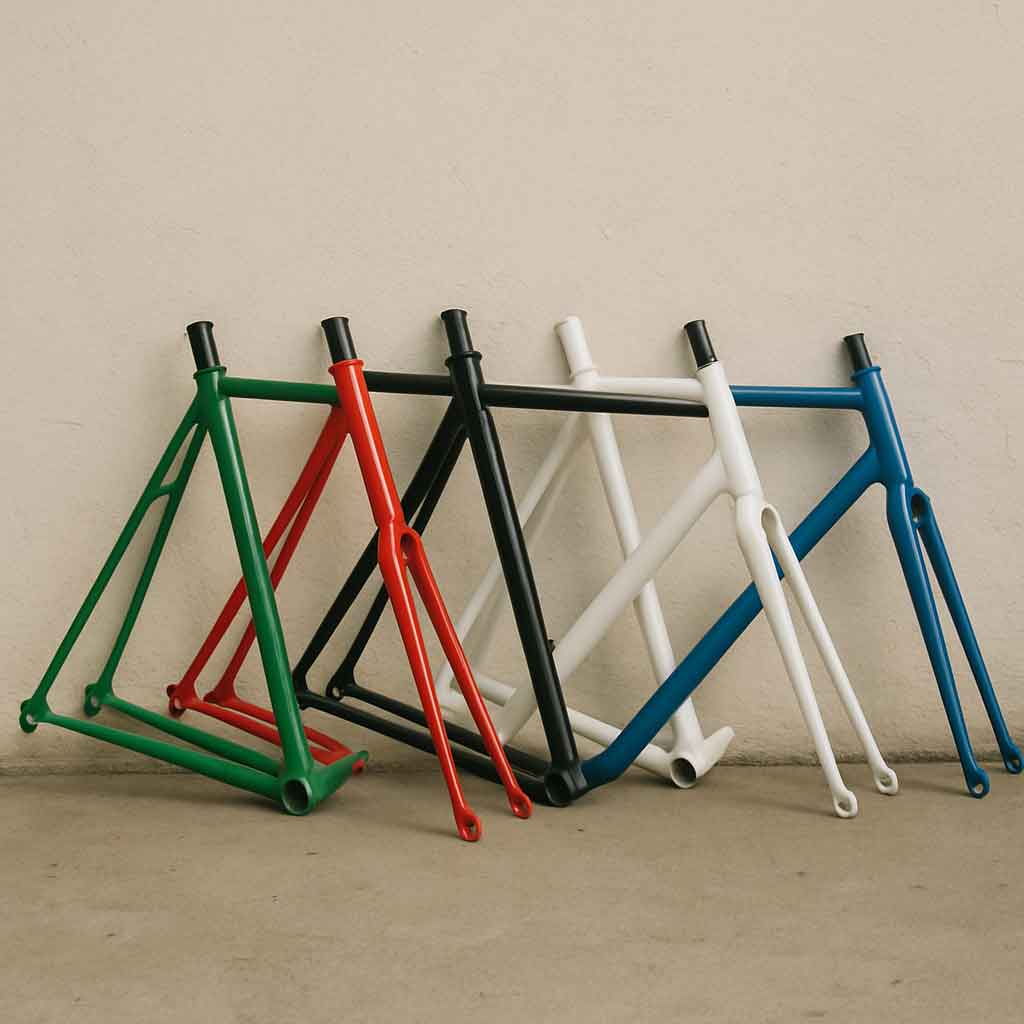
Choosing the best lightweight bike frame involves considering your cycling needs and preferences. This guide will help you navigate the options and find the perfect frame for your ride.
Why Lightweight Bike Frames Matter
A lightweight bike frame can transform your cycling experience. It's essential for improving speed and efficiency on the road or trail. A lighter frame means less effort uphill and quicker acceleration.
Cyclists often prioritize bike weight for practical reasons. Less weight directly correlates to more manageable rides over long distances. It reduces fatigue, especially during climbs and sprints.
Speed is not the only benefit of lightweight frames. They also offer better maneuverability. A nimble bike allows for quick turns and easy handling, crucial for competitive settings.
The advantages are not limited to professional racers. Everyday cyclists enjoy the perks of a lighter frame when navigating urban environments. Swift navigation through traffic and easy storage add to city biking appeal.
Key benefits of lightweight bike frames include:
- Improved speed and acceleration
- Enhanced handling and maneuverability
- Reduced rider fatigue over long distances
Selecting the right material is crucial for lightening your bike. Different materials provide varying degrees of lightness. Aluminum and carbon, for instance, offer excellent weight savings compared to steel.

Lighter frames enhance the overall quality of your ride. They offer a smoother experience through improved power transfer. This translates into a more direct feel, connecting the rider with the road more intimately.
Investing in a lighter bike frame is about optimizing your cycling experience. It can make daily rides more enjoyable and races more competitive. Understanding why they matter is the first step in choosing the right one for you.
Key Factors in Choosing a Lightweight Bike Frame
Selecting the perfect lightweight bike frame involves several considerations. Each factor influences performance, comfort, and durability. First, identify your cycling style and needs, as they will guide your decision.
Frame material is a crucial factor. Aluminum and carbon are popular for their lightness and affordability. Titanium and steel offer other benefits worth exploring, despite being heavier.
Consider the frame's geometry, which affects handling and comfort. Different geometries cater to specific cycling disciplines. A road bike prioritizes speed, while a mountain bike focuses on stability.
Cost is another significant factor. Higher-end materials like carbon and titanium often come at a premium. Determine your budget early on to streamline your choices.
When assessing frames, think about weight and flexibility. A lighter frame enhances speed but might sacrifice some comfort. Find a balance between lightness and ride quality.
Your choice should also consider bike use frequency and terrain type. Regular city commutes may require different frame qualities than competitive racing. Adjust your preferences accordingly for optimal performance.
Key factors to consider:
- Cycling style and needs
- Frame material choice
- Geometry for handling and comfort
- Budget constraints
- Weight versus comfort balance
- Usage frequency and terrain
Ultimately, choosing the best lightweight frame is about aligning your priorities. By considering each factor carefully, you make an informed decision. This results in a bike that matches your performance goals and personal preferences perfectly.
Overview of Bike Frame Materials
Choosing the right material for a bike frame is vital. Each material has unique properties affecting weight, strength, and ride quality. The most common materials include aluminum, carbon, titanium, and steel.
Aluminum frames are known for their lightness and affordability. They are popular among beginners and casual riders. Carbon frames, on the other hand, excel in weight-to-strength ratio.

by Alen Koikkara (https://unsplash.com/@charlieak)
Titanium frames offer a blend of durability and comfort, making them a premium choice. Steel frames are heavier but famous for their robustness and classic feel. Understanding the nuances of each material helps in making an informed choice.
Key materials for bike frames:
- Aluminum: Lightweight and cost-effective
- Carbon: High strength, low weight
- Titanium: Durable and comfortable
- Steel: Strong and repairable
Different materials fulfill different cycling needs. Therefore, determine what aspect is most vital to you. From weight and performance to durability and cost, consider all factors.
Aluminum Bike Frames: Pros and Cons
Aluminum bike frames are a favorite among many cyclists. They are lightweight, which enhances maneuverability and speed. Despite being light, aluminum offers considerable strength.
These frames are cost-effective, attracting budget-conscious riders. Their affordability doesn't compromise on performance, making them ideal for beginners.
However, aluminum has drawbacks too. It is less comfortable over long rides. The frame's stiffness can lead to a rougher ride on bumpy terrains.
Aluminum's susceptibility to corrosion is another concern. Most frames undergo treatment to mitigate this risk. Regular maintenance is crucial to prolonging an aluminum frame's life.
Pros of aluminum frames:
- Light and affordable
- Strong construction
- Cost-effective for beginners
Cons of aluminum frames:
- Less comfort on long rides
- Risk of corrosion
- Stiff ride quality
Overall, aluminum frames balance cost and performance. They are suitable for new cyclists or those on a budget. Regular care and maintenance will extend their lifespan.
Carbon Bike Frames: Pros and Cons
Carbon bike frames are synonymous with performance. They boast an incredible strength-to-weight ratio. This makes them perfect for high-speed and competitive cycling.
The vibration-dampening properties add to ride comfort. Carbon frames can be custom-shaped for aerodynamic efficiency. This flexibility is ideal for racing and road cycling.
However, carbon frames require careful maintenance. They are more susceptible to damage from direct impacts. Unlike other materials, carbon doesn't handle stress as well.
Carbon frames also come at a premium cost. Their advanced technology and performance benefits justify the price for many. Nonetheless, high cost might deter budget-conscious riders.
Pros of carbon frames:
- Excellent weight-to-strength ratio
- Vibration dampening for comfort
- Aerodynamic customization options
Cons of carbon frames:
- Higher price point
- Vulnerable to impact damage
- Need cautious maintenance
Choosing a carbon frame suits those prioritizing performance and comfort. With proper care, they provide an unmatched cycling experience.
Titanium Bike Frames: Pros and Cons
Titanium bike frames are the epitome of durability and comfort. Known for their resilience, they resist corrosion effectively. This extends their lifespan compared to other materials.
Titanium offers a unique ride feel, often described as lively. The material's natural flex provides comfort over long distances. This makes titanium frames popular among endurance cyclists.
A downside is the higher cost compared to aluminum and steel. The labor-intensive manufacturing process contributes to this expense. However, titanium's longevity can offset the initial cost.
Another consideration is weight. While lighter than steel, titanium isn't as light as carbon. Nevertheless, it strikes a desirable balance for many cyclists.
Pros of titanium frames:
- Long-lasting and corrosion-resistant
- Comfortable for long rides
- Unique, lively ride experience
Cons of titanium frames:
- Expensive up-front cost
- Heavier than carbon
- Limited availability
Titanium frames are a wise investment for serious cyclists. They offer a premium ride and long-term performance.
Steel Bike Frames: Pros and Cons
Steel bike frames possess classic charm and durability. Often chosen for their strength, they withstand various conditions. Touring and commuter bikes frequently use steel.
These frames offer a smooth ride, absorbing road vibrations well. Steel's weight, however, can be a deterrent. It is the heaviest of the common frame materials.
Nevertheless, steel's weight aids in stability, particularly for loaded bikes. Repairability is another advantage. Damage can often be repaired, extending the frame's life.

by Vrlibs Studio (https://unsplash.com/@vrlibsstudio)
Cost-wise, steel frames are affordable. Although heavier, they are a reliable, long-term investment. Their vintage appeal is another draw for enthusiasts.
Pros of steel frames:
- Durable and repairable
- Smooth, stable ride
- Classic aesthetic
Cons of steel frames:
- Heavier than other materials
- May rust without proper care
- Slower acceleration due to weight
Steel frames cater to those valuing durability and classic style. Their robustness and repairability are unmatched by other materials.
Comparing Lightweight Bike Frame Materials
When choosing a bike frame, comparing materials is key. Each material offers distinct benefits and trade-offs. Understanding these differences aids in making an informed decision tailored to your cycling needs.
Aluminum frames are lauded for affordability and strength. They offer a firm ride, but may lack comfort over long distances. Ideal for entry-level riders, they are also commonly used in mountain bikes.
Carbon frames stand out for their performance. They are ultra-light and provide smooth rides due to vibration dampening. However, their sensitivity to impact requires careful handling and maintenance.
Titanium frames blend durability and comfort. They resist corrosion and offer a supple ride. Despite a high initial cost, their long lifespan makes them worthwhile for serious riders.
Steel frames bring durability and a classic look. Heavier than others, they lend stability and absorb road vibrations effectively. They are favored for touring and commuting, thanks to their robustness and ease of repair.
Key comparisons include:
- Weight: Carbon is lightest, followed by aluminum, titanium, and steel.
- Cost: Aluminum is usually cheapest, with carbon and titanium at the higher end.
Materials affect handling, comfort, and cost differently. Consider these factors in relation to your personal needs and budget.
Performance seekers often choose carbon for its lightweight benefits. Budget-conscious riders may opt for aluminum's affordability. Long-distance cyclists might appreciate titanium's comfort and durability.
Ultimately, material choice should align with your riding style and priorities. Assessing each option allows you to select the best fit for your cycling journey.
How Frame Geometry Affects Weight and Ride Quality
Frame geometry is crucial in determining a bike's handling and comfort. It influences how a bike feels and performs on different terrains. Geometry defines angles and lengths within the bike frame design.
A steeper head tube angle typically offers more responsiveness. This is ideal for road racing where quick handling is beneficial. Conversely, a slacker angle provides more stability, favored in downhill biking.
The length of the top tube impacts rider posture. Shorter top tubes enable a more upright position, enhancing comfort on leisurely rides. Longer top tubes extend reach, often desired for aerodynamic efficiency.
When assessing frame weight, geometry can't be ignored. Compact designs may reduce material usage, slightly lessening overall weight. However, even minor changes in geometry can affect how a bike climbs or accelerates.
Key geometry elements to consider include:
- Head Tube Angle: Affects steering precision.
- Top Tube Length: Influences rider positioning.
- Chainstay Length: Impacts bike stability.
Each geometry choice caters to specific riding needs. A racer might prioritize agility, while a commuter values comfort. Understanding these elements helps tailor the bike to your riding habits. Ultimately, finding the right geometry enhances both performance and enjoyment on the road.
Lightweight Bike Frames for Different Cycling Disciplines
Choosing the right bike frame depends on your cycling discipline. Different frames excel in various scenarios due to their unique attributes. Let's explore which frame materials suit which types of cycling.
Road Cycling
For road cycling, carbon bike frames are often the best choice. They offer excellent stiffness and weight savings. This results in enhanced speed and efficiency, ideal for races and fast-paced rides.
- Advantages of Carbon for Road Cycling:
- Lightweight for climbing hills.
- High stiffness ensures efficient power transfer.
Mountain Biking
Mountain biking demands frames that handle rough terrains. Aluminum bike frames are popular here for their durability and affordability. They can handle the bumps and impacts of off-road riding.
- Perks of Aluminum for Mountain Biking:
- Robust and cost-effective.
- Offers a good balance between weight and strength.
Touring
For touring, steel bike frames are favored because of their ability to carry heavy loads. Steel provides durability and comfort needed for long-distance rides.
- Steel's Benefits for Touring:
- Easily repaired in remote locations.
- Comfortable for long hours in the saddle.
Gravel and Adventure
Titanium bike frames shine in gravel and adventure cycling. They offer a superb mix of lightness, strength, and corrosion resistance, making them ideal for unpredictable environments.
- Titanium Advantages for Adventure:
- Long-lasting and weather-resistant.
- Offers a smooth, comfortable ride.
Understanding the strengths of each frame material helps you find the perfect bike. A well-chosen frame enhances performance, comfort, and reliability in your specific cycling discipline.
Durability and Maintenance of Lightweight Frames
Durability is crucial when choosing a bike frame. Lightweight frames come in various materials, each with distinct maintenance needs.
Aluminum bike frames are generally low-maintenance. However, they can be prone to corrosion if not treated properly. Most aluminum frames undergo treatments like anodizing to enhance their resilience.
Carbon bike frames require careful handling. They can crack under stress, so regular checks for damage are essential. Despite needing attention, carbon frames offer great longevity with proper care.
Titanium bike frames boast excellent durability. They resist corrosion naturally, demanding minimal maintenance. This makes them a preferred choice for riders seeking a long-lasting frame.
Steel bike frames are robust, but they can rust if not cared for. Regular cleaning and applying a protective coating can extend their lifespan. Steel frames are also easy to repair if they get damaged.
Key maintenance tips for all bike frames include:
- Regular inspection for damage.
- Keep the bike clean and dry.
- Apply protective coatings as needed.
By understanding each material’s strengths and care requirements, you ensure your bike stays in top condition. Maintaining your frame enhances its lifespan and reliability.
Cost Considerations: Value vs. Performance
Choosing a bike frame is a balance between cost and performance. Each material offers different attributes at varying price points.
Aluminum bike frames are often the most affordable. They provide a lightweight option for many cycling needs. This makes them popular among entry-level cyclists.
Carbon bike frames, while more expensive, offer excellent performance. Their lightweight and aerodynamic properties make them ideal for competitive cyclists who prioritize speed.
Titanium bike frames are at the higher end of the price spectrum. They offer a unique blend of durability and comfort, justifying their premium cost for enthusiasts seeking longevity.
Steel bike frames are generally moderately priced. They offer strength and a smooth ride, appealing to riders who value traditional aesthetics.
To assess the best value:
- Consider your cycling goals.
- Evaluate long-term usage.
- Balance initial investment with performance needs.
Investing in the right frame material can improve your cycling experience. Weigh your needs against your budget to make a sound choice. Understanding these factors helps you maximize your investment.
Environmental Impact of Frame Materials
The environmental footprint of bike frames varies significantly by material. Considerations include resource extraction, manufacturing processes, and recyclability.
Aluminum bike frames have notable eco-advantages. They are recyclable and use less energy in manufacturing compared to some materials. However, mining bauxite, the raw material, impacts ecosystems.
Carbon bike frames present challenges. Manufacturing processes are energy-intensive, and carbon fiber is difficult to recycle. This can lead to increased waste.
Titanium bike frames are durable, which reduces replacement frequency. However, extracting titanium ore can be resource-heavy, impacting carbon emissions.
Steel bike frames offer recyclability and minimal energy use in processing. While heavier, they last long, reducing material turnover.
Consider environmental impact by:
- Assessing frame durability.
- Exploring recycling options.
- Understanding material sourcing.
Choosing eco-friendly materials can minimize cycling's environmental footprint, promoting a more sustainable lifestyle.
Top Lightweight Bike Frames on the Market (2024)
In the fast-paced world of cycling, 2024 brings an impressive lineup of lightweight bike frames. Technological advances continue to refine these engineering marvels.
Several industry leaders have unveiled new models that cater to various cycling needs. These frames stand out for their quality and innovative designs.
Aluminum bike frames remain a popular choice. Notable models offer an excellent balance between weight and price. They're ideal for novice and intermediate riders.
Carbon bike frames dominate the performance segment. They provide superior strength-to-weight ratios. These frames are preferred for racing and competitive cycling.
Key Aluminum Bike Frame Models:
- Canyon Endurace AL: Esteemed for its endurance capability and affordability.
- Trek Emonda ALR: Known for lightweight design and efficient power transfer.
- Specialized Allez: Offers a great entry point to road cycling with its responsive ride.
Key Carbon Bike Frame Models:
- Giant TCR Advanced: Celebrated for its stiffness and top-tier performance.
- BMC Teammachine SLR: Excels in aerodynamics and lightweight construction.
- Scott Addict RC: Favored by climbers for its unparalleled weight reduction.
Titanium bike frames offer a premium feel. Their durability and unique ride quality are unmatched. They cater to long-distance riders seeking comfort.
Steel bike frames, while heavier, are not to be overlooked. They are cherished for their robust construction and classic aesthetics.
Each frame material and model caters to specific rider preferences. As you evaluate these options, balance performance, aesthetics, and cost to suit your riding goals. This ensures that you find the ideal lightweight bike frame for the best cycling experience.
Tips for Choosing the Right Lightweight Bike Frame
Choosing the perfect lightweight bike frame can be daunting. With so many options, it's essential to consider key factors.
First, identify your primary cycling goals. Whether racing, commuting, or touring, purpose influences your choice.
Next, consider your budget constraints. Lightweight frames come at various price points, aligning with different financial plans.
Evaluate the material's properties. Some frames offer superior durability, while others focus on speed.
Keep in mind:
- Riding Style: Choose based on your cycling discipline.
- Terrain: Match frame capability to typical riding surfaces.
- Weight: Optimal frame weight enhances performance.
- Budget: Ensure the frame fits within financial limits.
Ultimately, test riding can help. Feeling the bike's response offers invaluable insights into its suitability. Always prioritize comfort and performance for a rewarding cycling experience.
Frequently Asked Questions About Lightweight Bike Frames
Many cyclists have common queries regarding lightweight bike frames. Understanding these can help make informed decisions.
What is the lightest bike frame material? Generally, carbon frames are the lightest available, offering a superior strength-to-weight ratio.
Are aluminum frames durable enough? Yes, with proper care. They resist corrosion and are often treated for increased longevity.
Cyclists often ask about maintenance. Each frame material has unique care requirements to ensure durability. Regular inspections are critical.
For quick reference, consider these FAQs:
- Which frame is best for racing? Carbon frames excel due to their lightness and stiffness.
- Are steel frames too heavy? While heavier, they are strong and repairable.
- Is titanium worth the cost? Its durability and comfort often justify the expense.
Addressing these questions enhances confidence in choosing the right frame for your needs. Understanding the nuances of each material helps optimize cycling performance.
Conclusion: Finding Your Perfect Lightweight Bike Frame
Choosing the right lightweight bike frame requires careful consideration of several factors. Each material offers unique benefits that cater to different cycling preferences and needs.
Your choice should reflect your priorities, whether focused on weight, cost, or ride quality. Aluminum provides a good mix of affordability and lightness, ideal for various cyclists. Carbon offers unparalleled lightness and speed for racers, while titanium combines comfort with long-term durability. Steel, despite being heavier, provides a smooth ride and classic appeal.
Consider these key points when selecting your frame:
- Evaluate your cycling goals and terrain.
- Determine your budget constraints.
- Prioritize frame features that align with your needs.
- Assess the long-term maintenance and durability aspects.
Ultimately, the best lightweight bike frame should enhance your cycling experience. Matching your personal preferences with the frame's characteristics will ensure enjoyment on every ride. Seek advice from cycling experts and test different frames to find your perfect match.