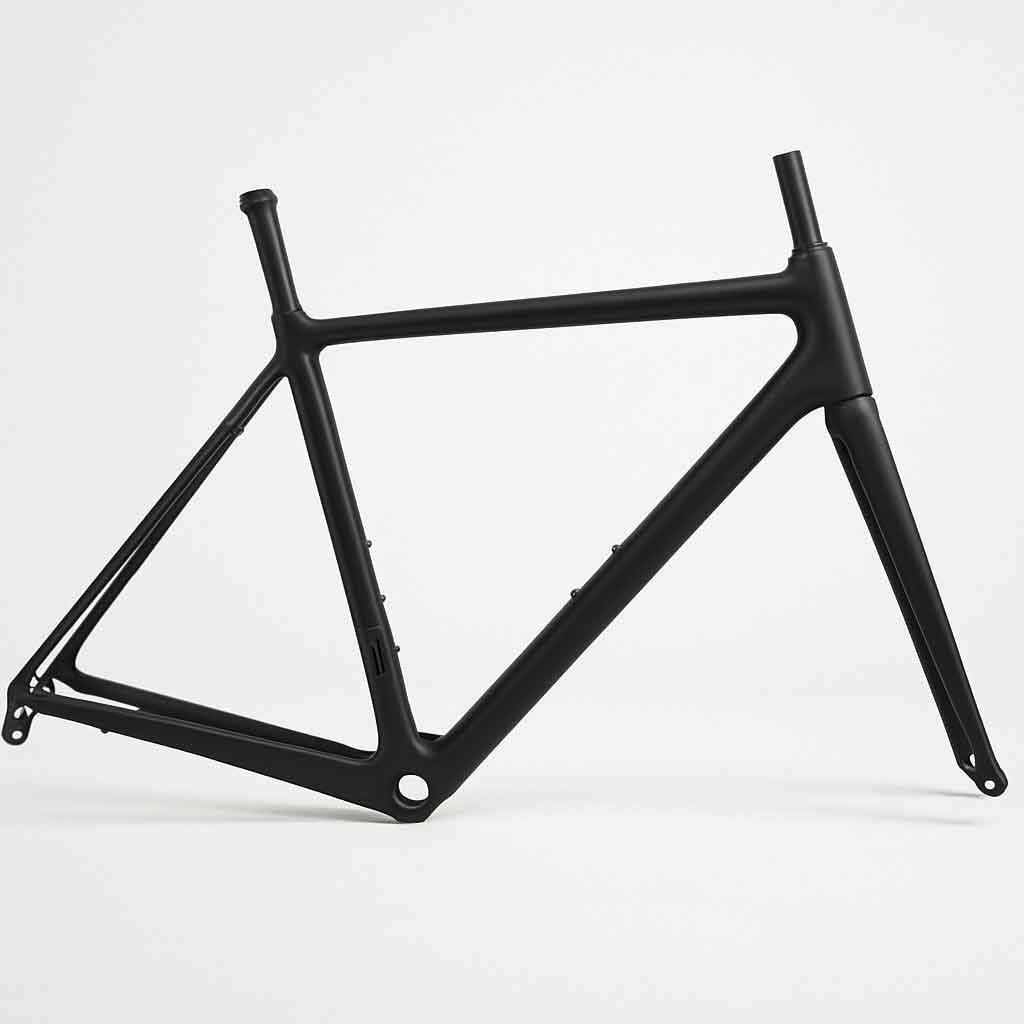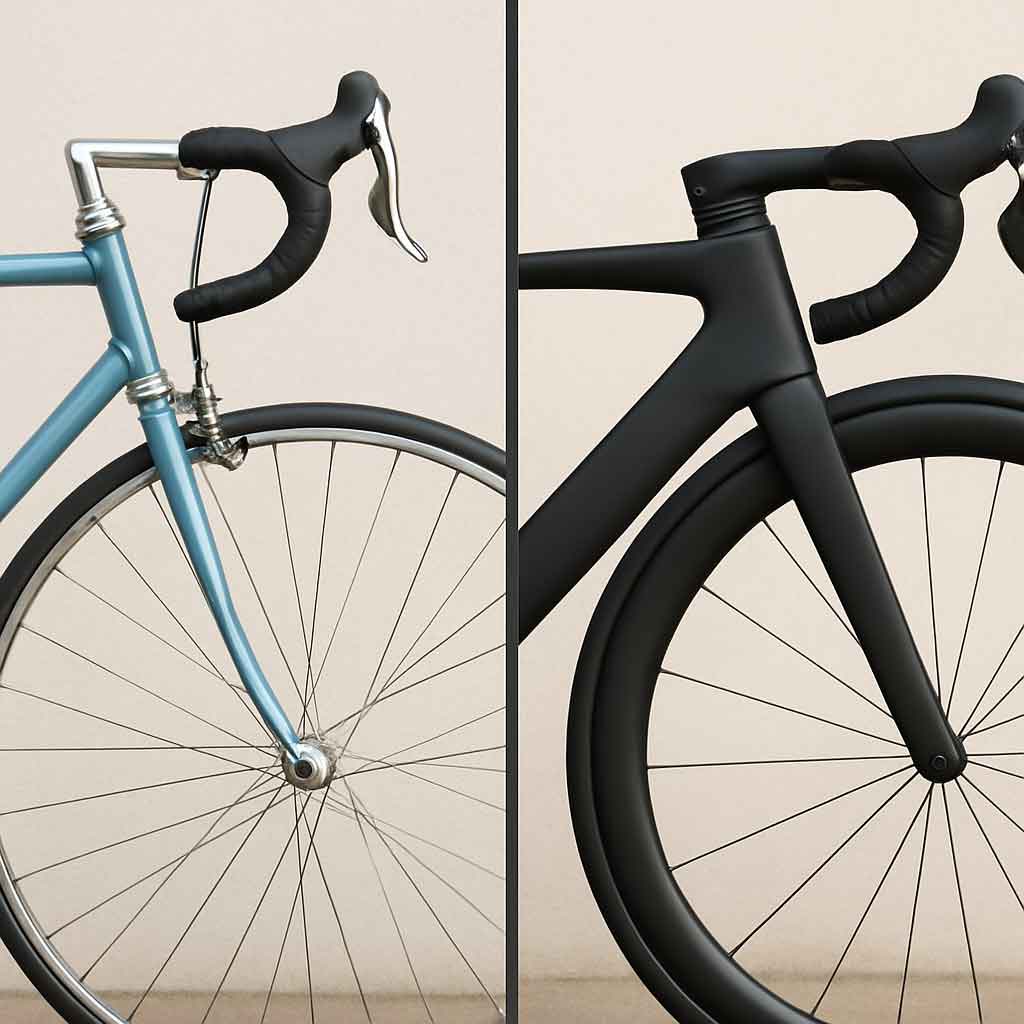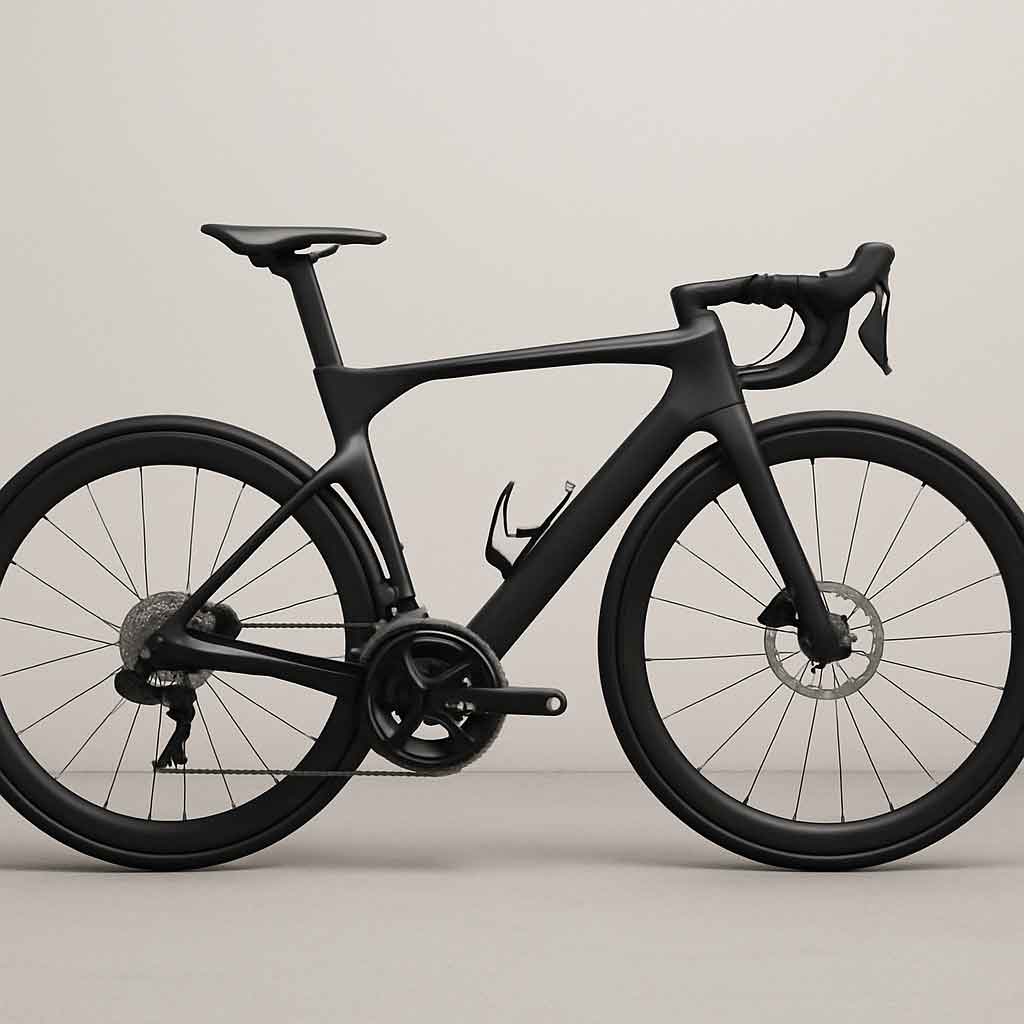

That feeling of being pushed back by a strong headwind is something everyone understands. On a bicycle, that push isn’t just an annoyance; it's the single biggest force stealing your energy and slowing you down. Overcoming this constant wind resistance is the primary obsession of bike designers, and it’s why high-performance bikes have ditched traditional round tubes for futuristic, blade-like shapes. They are built to solve this one massive problem.
This push from the air is known in engineering as aerodynamic drag. For a practical example of drag, think about holding your hand out of a moving car's window. When your palm is flat against the wind, you feel a powerful force shoving it backward—that's high drag. Now, turn your hand to slice through the air like a blade, and the force almost disappears. That's low drag. An aero bike frame applies that same "blade" principle to its tubes.
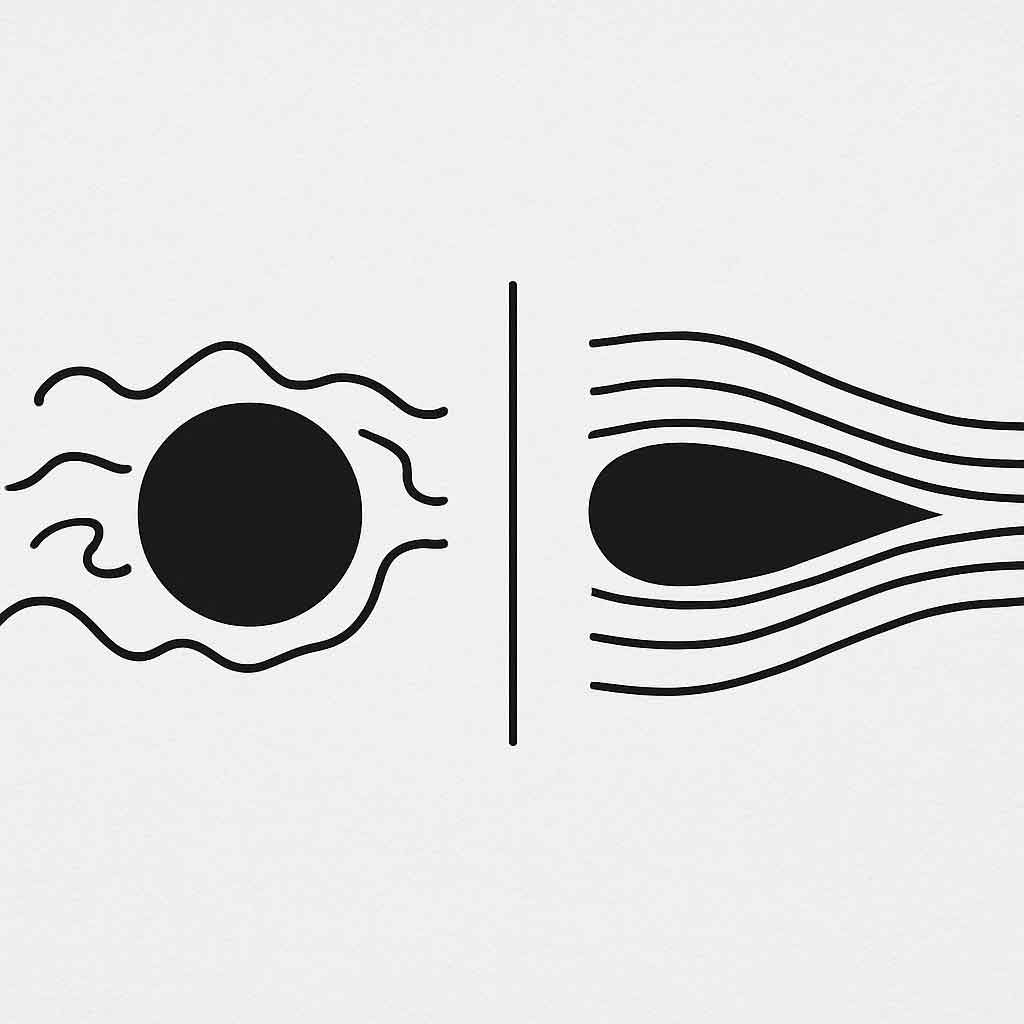
But the push from the front is only half the story. A blunt object, like your flat palm, also creates a chaotic, swirling pocket of low-pressure air directly behind it. This messy wake is called turbulence, and it acts like a suction cup, pulling you backward. The most effective aero shapes are designed to be slippery, allowing the air to flow past and rejoin cleanly, which minimizes that power-sapping pull from behind.
The Magic Material: Why Carbon Fiber is Perfect for Aero Bikes
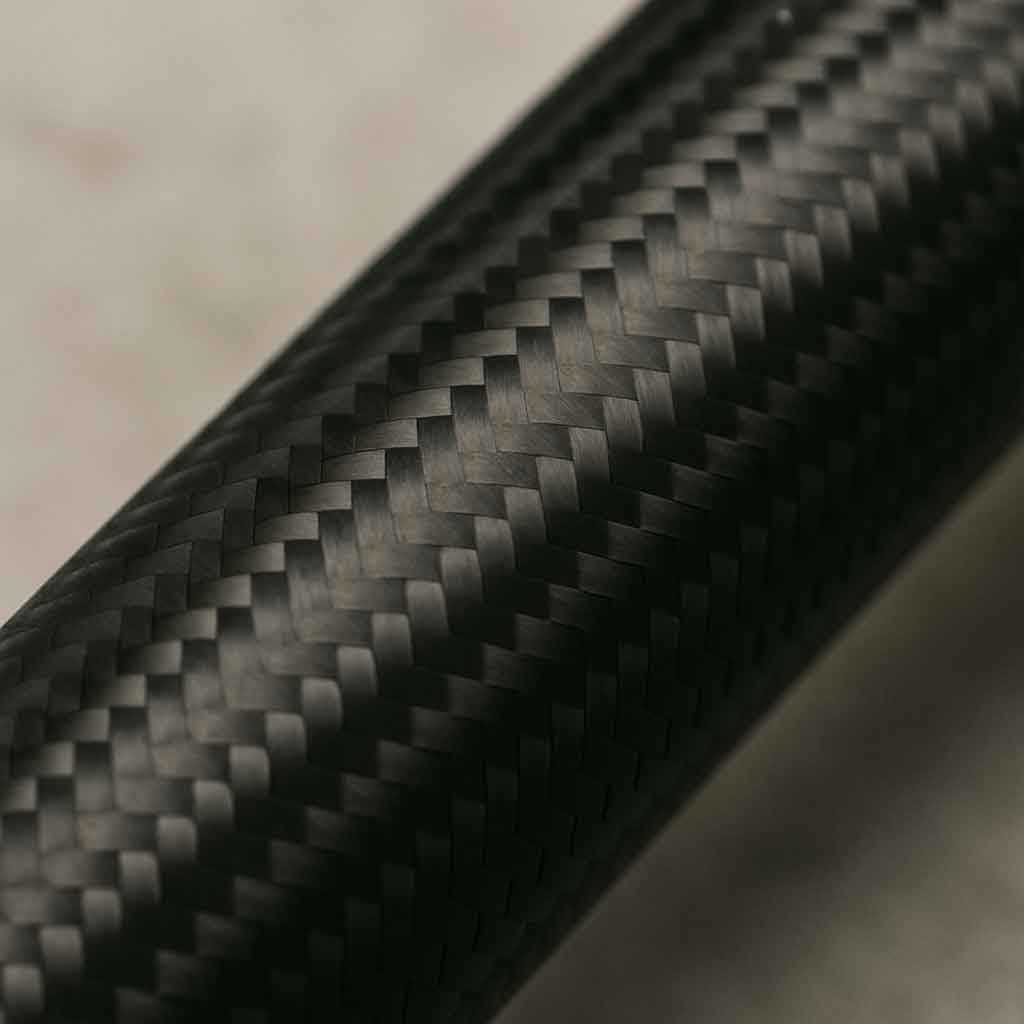
When you hear “carbon fiber,” you might picture a solid, molded piece of high-tech plastic. The reality is far more interesting. Think of a carbon bike frame as being made from a fabric. This material starts as incredibly thin, yet immensely strong, threads of carbon that are woven into sheets. These sheets are then layered over a mold and set in a hard, durable resin to create the final frame shape. This unique process is what makes it the perfect ingredient for a fast bicycle.
This fabric-like nature is the secret to a carbon frame’s seemingly magical properties. By carefully orienting the direction of the carbon sheets in a process called carbon layup, engineers can fine-tune the frame’s characteristics with incredible precision. They can add layers to make an area stiff and strong, preventing your pedaling energy from being wasted. In another spot, they can change the orientation to allow for a small amount of flex, which helps absorb road vibrations and keep you more comfortable. This directional strength is something you simply can’t achieve with metal.
So, what does this have to do with slicing through the wind? Creating those sleek, wing-like tube shapes for better aerodynamics often requires more material than a simple round tube. If you made those shapes from metal, the bike would become far too heavy. But because carbon fiber is both exceptionally light and its strength can be placed exactly where needed, designers can build complex aero shapes without a massive weight penalty. It’s this combination of low weight and tunable strength that unlocks the potential for a modern carbon aero bike frame.
How a Bike Frame Can 'Slice' Through the Air: Aerodynamic Tube Shaping Explained
Now that we know carbon fiber gives designers the freedom to create almost any shape, what is the ideal shape for cheating the wind? The answer comes from the sky: the airfoil. Think of an airplane wing. It has a rounded leading edge and a long, tapered tail. This classic teardrop design allows air to flow smoothly and re-connect cleanly behind it, creating minimal disturbance. A round tube, by contrast, punches a big hole in the air, leaving a messy wake of turbulence behind it that acts like a parachute, constantly pulling you back.
While a perfect, long teardrop is fantastic in a wind tunnel, it’s not always practical for a bicycle. A long, skinny tail can be heavy and less stiff than a thicker tube, meaning some of your pedaling power gets wasted. It can also be a handful to ride in a crosswind. This led to a brilliantly simple innovation that defines most modern aero bikes: the truncated airfoil, often called a Kammtail.
Engineers took the classic airfoil shape and simply chopped the tail off. The amazing discovery was that the air flowing over this shape behaves as if the tail were still there. It creates a small pocket of contained turbulence that effectively acts like the missing tail, guiding the rest of the airflow smoothly past. This clever trick provides nearly all the aerodynamic benefit of a full airfoil while using less material, which saves weight and allows for a stiffer, more responsive frame.
So, the next time you see a performance road bike, look closely at its main tubes. If they aren’t perfectly round but instead appear deep from the side with a flat or squared-off back, you’re looking at an aero frame in action. This distinctive shaping is the most visible sign that a bike has been meticulously designed not just to be light, but to be fast.
How Much Faster is an Aero Bike, Really?
So, what does all this advanced shaping actually get you on the road? The surprising answer is: it depends on your speed. The benefit of aerodynamics isn't a fixed number, because the force of wind resistance gets dramatically stronger the faster you ride. Think about sticking your hand out of a moving car’s window. At low city speeds, you feel a gentle push. On the highway, the force is powerful enough to shove your arm back. An aero frame’s advantage works the same way—it grows massively as your pace picks up.
For most riders, these aerodynamic benefits really start to matter when you’re consistently moving above 20 mph (about 32 kph), especially on flat or gently rolling terrain. The advantage doesn't feel like a sudden turbo boost that launches you forward. Instead, it feels more like a subtle, invisible tailwind. You’ll find it takes noticeably less effort to hold a high speed, allowing you to conserve precious energy over the course of a long ride. It’s less about going faster and more about making speed easier.
That saved energy might seem small from one moment to the next, but it compounds significantly over time. Over an hour-long ride, those efficiencies can translate into minutes, not just seconds, of saved time—a huge margin in a race and a welcome boost for anyone. This is why aero bikes are the weapon of choice for flat and fast routes. But it also brings up a critical question: is that wind-cheating advantage on the flats worth the potential trade-offs on a steep mountain climb?
The Great Debate: Lightweight vs. Aerodynamic Bike Frame
That very question of climbing brings us to the central tug-of-war in modern bike design. Making a frame more aerodynamic often requires using more material to create those wide, wing-like tube shapes. More material, even ultra-light carbon fiber, adds weight. This forces designers into a fundamental choice: is this bike built to conquer gravity on a steep climb, or to cheat the wind on a fast, flat road? You can’t typically have the absolute best of both worlds in a single frame.
On one side of this debate are the pure climbing bikes, which prioritize being as lightweight as possible. Their frames often use thinner, more rounded tubes because that’s the most efficient way to build a strong structure with the least amount of material. When you’re grinding up a steep mountain pass, speed drops and gravity becomes your number one enemy. In this slow-speed battle, shedding every possible gram is more beneficial than being slippery through the wind.
In stark contrast, a dedicated aero bike makes a different calculation. It willingly accepts a small weight penalty in exchange for a massive advantage in wind resistance. The frame's sculpted, deep tubes are designed for one purpose: to maintain high speeds on flat and rolling terrain with less effort. This design is the undisputed king for racers and riders who want to be as fast as possible where the wind, not gravity, is the dominant force holding them back.
For most of us, who ride on a mix of hills and flats, this choice led to the rise of the "all-arounder" bike. Think of it as the best of both worlds. These are the most popular bikes on the market, blending moderate aerodynamic shaping with clever engineering to keep weight low. They aren't the absolute lightest, nor the most aerodynamic, but they provide a fantastic balance for varied riding. This focus on performance, however, introduces another critical factor: comfort.
Are Aero Road Bikes Comfortable? The Hidden Cost of Speed
This relentless pursuit of speed, however, often comes with a hidden trade-off: comfort. Think about those deep, blade-like carbon tubes designed to slice through the air. While incredibly efficient horizontally, they are also very stiff vertically. Imagine trying to bend a ruler on its thin edge versus on its flat side. The aero tubes act like the ruler on its edge, meaning they don’t flex much to absorb bumps and vibrations from the road. This can translate into a harsher, more chattering ride compared to a bike with thinner, more forgiving tubes.
Beyond the frame itself, your position on the bike plays a huge role in both speed and comfort. To get the full aerodynamic benefit, a rider needs to be in a low, stretched-out posture, much like a downhill skier in a tuck. This aggressive position helps you present a smaller target to the wind, but it also places more strain on your back, neck, and arms. In contrast, bikes built purely for comfort—often called "endurance" bikes—place the rider in a more upright and relaxed position, which is far easier to maintain for long hours.
But this doesn't mean you're destined for a punishing ride if you choose an aero frame. Bike technology has found a simple and brilliant solution: wider tires. For decades, racers believed skinny tires were fastest, but we now know that slightly wider tires offer a massive comfort advantage without a speed penalty. Acting as the bike’s first line of defense, they can be run at lower air pressures to soak up road imperfections before the vibrations ever reach the stiff frame, giving you a much smoother experience.
Your Next Bike: Should It Be a Carbon Aero Road Bike?
Now, when you see a sleek, blade-like bicycle, you’ll see more than just expensive equipment. You’ll recognize a purpose-built tool designed to solve the problem of wind. Where you once saw a confusing shape, you can now read the language of design—the deliberate trade-offs between cheating the wind, shedding weight for climbs, and providing comfort for the rider. You understand the 'how' behind the 'why'.
Choosing the best carbon aero road bike starts with knowing your own riding story. This simple checklist can help you see if its purpose aligns with yours:
- An aero bike might be for you if… you prioritize speed on flat or rolling roads, love the feeling of cutting through the wind on solo rides, and are drawn to cutting-edge technology.
- Another carbon road bike might be better if… your rides are mostly on steep mountain roads, comfort is your number one priority, or you're just starting and want a more relaxed, all-purpose machine.
Ultimately, the quest isn’t for the single “best” bike, but for the one that feels like the perfect partner for the rides you dream of. With this knowledge, you can look past the marketing and focus on what truly matters. Your journey is unique; find the right bike to accompany it.